


Vermicomposting the way to go
04 Nov 2021
The use of organic fertilisers from earthworms also known as ‘vermicomposting’, improves production in the most ecological sustainable manner.
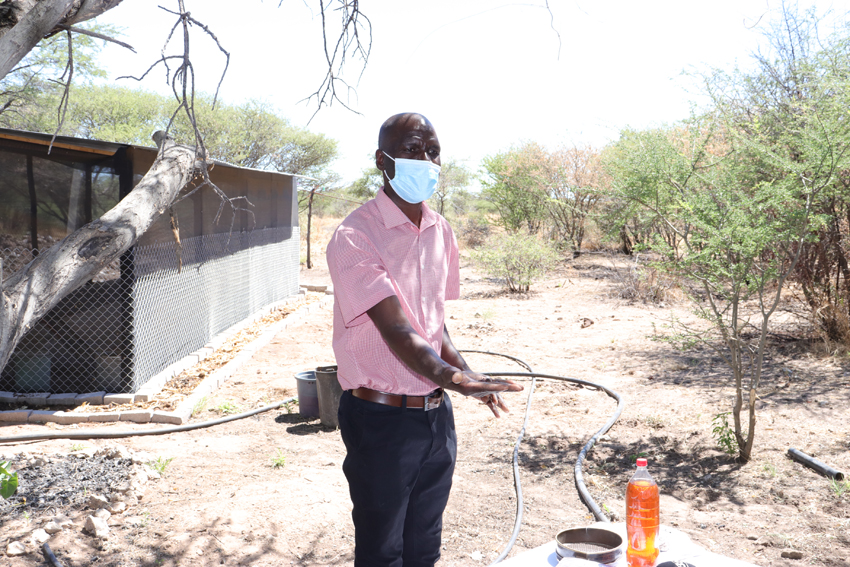
Launching the vermicomposting project at Rammala Permaculture farm in Ghanzi recently, chief technical assistant at Sebele Agricultural research centre, Mr Elias Ramabu vermicomposting had proved to be a successful eco-friendly means of food production.
He said it sustained the soil quality and improved crop yield, as it was a source of macro and micronutrients for crops. The use of vermicomposting water extracts known as vermin-tea, he said, was highly nutritious and concentrated. It also increases yields and suppressed pest and diseases.
Mr Ramabu, who said he had personally ventured into vermicomposting project, said it could be a sustainable and profitable enterprise. He stated that in 2011, one could acquire 1k, containing approximately about 1000 worms of earthworms, Eisenia Fetida, at a price of P150, but today the price had almost tripled.
“In other countries, eggs are sold because eggs can be dormant under unfavourable conditions for two years and one egg can hatch five worms,” he said adding that under favourable conditions an egg could hatch in 21 days.
Mr Ramabu stated that it was cheaper to venture into vermicomposting project as organic waste such as vegetable waste could be used, except the onion family. He recommended pre-composting of vegetables for 2-3 weeks before introducing the waste to the earthworms.
A Department of Crop production official in the Ministry of Agricultural Development and Food Security based in Ghanzi, Mr Patrick Boitshwarelo said vermicomposting could improve production as well as save the environment.
Mr Boitshwarelo opined that artificial fertilisers were detrimental to both soil and the environment, adding that some farms in South Africa and Zimbabwe remained idle after being abandoned because of unproductive soil owing to synthetic fertilisers, which could also be harmful to consumers.
Another official from the same department, Ms Keeme Mooketsi said though vermicomposting was not new some communities did not embrace the practice.
Ms Mooketsi hailed Ghanzi community to have embraced it, particularly that Ghanzi soils were largely unfertile. For his part, Assistant District Officer (Development), Mr Kagiso Monnawatsie said vermicomposting would go a long way in improving food production in an eco-friendly manner and could be a sustainable enterprise.
Vermicomposting project is one of the climate smart agricultural practices being piloted in the Ghanzi region. Two other districts have been selected for piloting purposes. Ends
Source : BOPA
Author : Mothusi Galekhutle
Location : GHANZI
Event : Launch
Date : 04 Nov 2021
Related News

07 Aug 2026
Xiplomacy Hosting the world building the future

07 Aug 2026
Xiplomacy Pursuing the greater good for all

06 Aug 2026