


African group registers concerns at climate change meet
02 Nov 2021
Despite scientific evidence of the adverse socio-economic impact of climate change on Africa, the continent is still to be formally considered for special needs and circumstances, African Group of Negotiators on Climate Change chairperson, Mr Tanguy Gahouma has said.
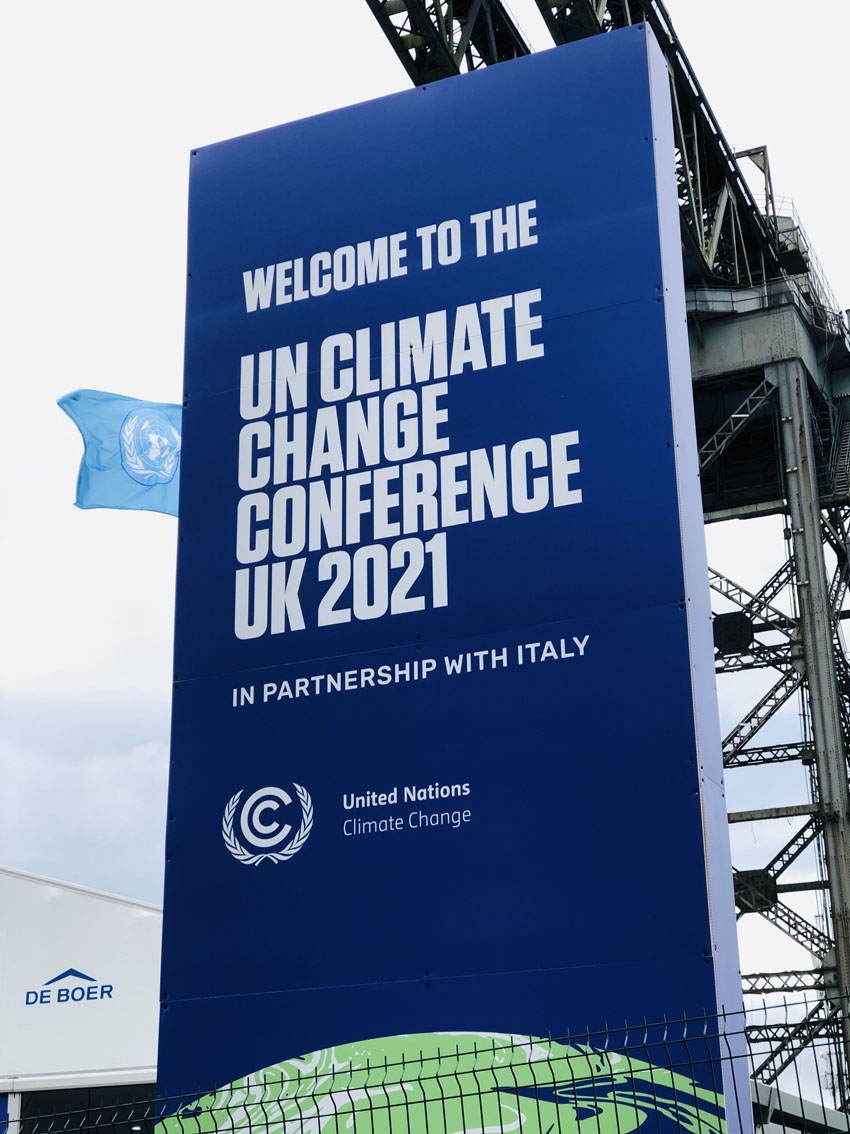
He was communicating the group’s position at the ongoing 26th session of the UN climate change conference (COP26) in Glasgow, Scotland.
“The proposal from African countries to consider Africa’s Special Needs and Circumstances is based on science. The World Meteorological Organisation report on State of Climate Africa proves that climate-induced changes to physical and biological systems are being felt and exerting considerable stress on Africa’s vulnerable sectors.
The adversely impacted sectors include agriculture, water, energy, wildlife, biodiversity and public health, thereby significantly impacting the economic, social and environmental dimensions of national sustainable development,” he said.
He noted that the COVID-19 pandemic had further affected the continent’s climate change adaptation plans by weakening its volatile markets and reducing GDP by up to 3.4 per cent between 2020 and 2021.
Mr Gahouma said COP26 should be a decisive point for full implementation of the Paris Agreement and for developed countries to act on their responsibilities to mitigate further impacts of climate change on their developing counterparts, especially in Africa.
He underscored the need for all parties to commit to their targets and communicate their Nationally Determined Contributions (NDCs) on time.
“We express our deepest concern on the delay in achieving agreement on timeframes. It has been six years since the adoption of the Paris Agreement and we note with disappointment the lack of willingness among parties to reach a decision on this agenda item. The African Group views common timeframes as fundamental to facilitate clarity, transparency and understanding of NDCs and this is possible only with a single common timeframe,” he said.
Mr Gahouma noted that despite having the lowest contribution to global emissions, African states were committed to communicating their NDCs while developing countries were lagging behind.
He called for adherence to the common but differentiated responsibility principles by communicating NDCs with long-term targets towards achieving zero emissions by 2050.
Mr Gahouma said it was unfortunate that the global goal on climate finance was still a topical issue even after the parties agreed on financial obligations by developed countries.
COP26 should therefore emphasise progression and commitment on new climate finance goal in order for developing countries to effectively deliver on their NDCs objectives, he said.
The new finance goal, he added, should consider developing countries’ national circumstances to avoid negative impacts on African markets.
He proposed a fair transition approach and providing climate finance to all African countries.
“This approach must recognize national circumstances of developing countries and manage transition risks to avoid straining African financial markers further, suppress development and restrict the practical transition to climate-resilient economies,” he said. Ends
Source : BOPA
Author : Kehumile Moekejo
Location : GLASGOW
Event : UN climate change conference
Date : 02 Nov 2021
Related News

07 Aug 2026
Xiplomacy Hosting the world building the future

07 Aug 2026
Xiplomacy Pursuing the greater good for all
06 Aug 2026