


Pioneer of an African Democracy
29 Jun 2021
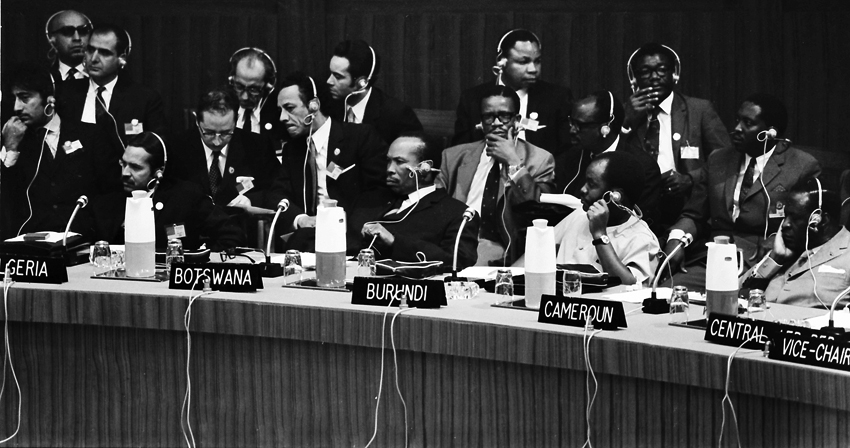
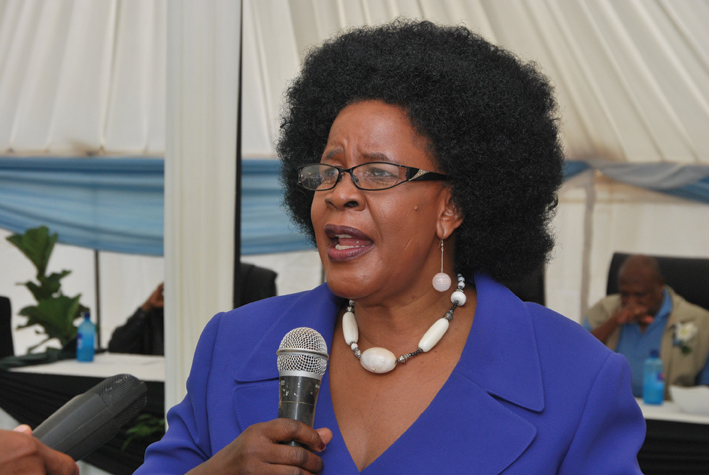
The story of Botswana as Africa’s oldest continuous multiparty democracy, owes much to the vision of the country’s founding President, Sir Seretse Khama.One of the country’s political stalwarts, Ms Botlogile Tshireletso, bears these sentiments, and feels Sir Seretse’s vision for the country and region has been affirmed by historical events.
“During a period in history where it was normal to have one party states in Africa and the developing world, Sir Seretse had the vision to pursue a multiparty democratic system,” Ms Tshireletso said.
“He respected the right to respectfully differ; there were opposition leaders such as Philip Matante of Botswana People’s Party (BPP) and Dr Kenneth Koma of Botswana National Front (BNF) who had an alternative vision for the country. Despite political differences, Sir Seretse believed in the right to hold different views and maintained cordial respect between himself and his rivals,” Ms Tshireletso narrates.
By early 1990s, a wave of democratic reforms swept across the sub-continent, and changes were instituted that matched the vision Seretse Khama already had for Botswana and the region at independence in the 1960s.
Ms Tshireletso, who in 2019 retired from active politics after 40 years of service; 20 in council, and a further 20 in Parliament- says when she served as part of Southern African Development Community (SADC) Parliamentary Forum, she realised how visionary Sir Seretse’s ideals were.
“He believed in rooting Botswana’s democracy in the kgotla system, where “Mmualebe o bua la gagwe,” (each person has the right of say). As such we used the parliamentary constituency and council ward system, where constituents elect their representatives, who in turn have to regularly solicit views of the people at the kgotla,” Ms Tshireletso said.
Ms Tshireletso said there were over tiome suggestions that Botswana should discard the first past the post system for a proportional representation (PR) system, which would introduce representation based on the popular vote of political parties instead of constituencies.
“But as we sought the views of Batswana, the majority insisted that they prefer having direct representatives they elect into parliamentary constituencies and council wards, instead of having parties determine the lists of who represents the people.
This is the system Sir Seretse had bequeathed upon us, based on our culture of knowing your local leader and directly engaging them through the kgotla,” she said.
In the 1970s, Ms Tshireletso was one of the first members of the Botswana Democratic Party (BDP) Youth Wing National Executive Committee.
“In the mid 1970s, our leaders in the party at the time, President Seretse and Vice President, Sir Ketumile Masire, who was then the secretary general of BDP, recommended that the party establish a youth wing,” Ms Tshireletso revealed.
She would work with the likes of Pelokgale Seloma, Gaotlhaetse Matlhabaphiri, Roy Blackbeard, Boometswe Mokgothu, Lesego Raditanka, Elizabeth Kedikilwe and Grace Petersen as the first BDP youth leadership.
“Sir Seretse encouraged youth participation in politics and a lot of us were elected to parliament or council from 1979 when we were still young, I was still about 23 years old myself.
But we had a firm leader, in Sir Seretse, who had already involved the likes of Daniel Kwelagobe in cabinet from a young age, and he encouraged us as well,” she said. Ends
Source : BOPA
Author : Pako Lebanna
Location : Gaborone
Event : Feature
Date : 29 Jun 2021
Related News
08 Aug 2026

07 Aug 2026
Xiplomacy Hosting the world building the future

07 Aug 2026