


NCONCO conducts CBOs capacity assessment
24 Jun 2021
Ngamiland Council of Non-Governmental Organisations (NCONGO) has embarked on a project to develop the capacity of community based organisations (CBOs) .
The objective of the project, dubbed: Jala Peo would equip Community Based Natural Resource Management (CBNRM) focused CBOs operating within the Panhandle with the necessary skills to improve their operations.
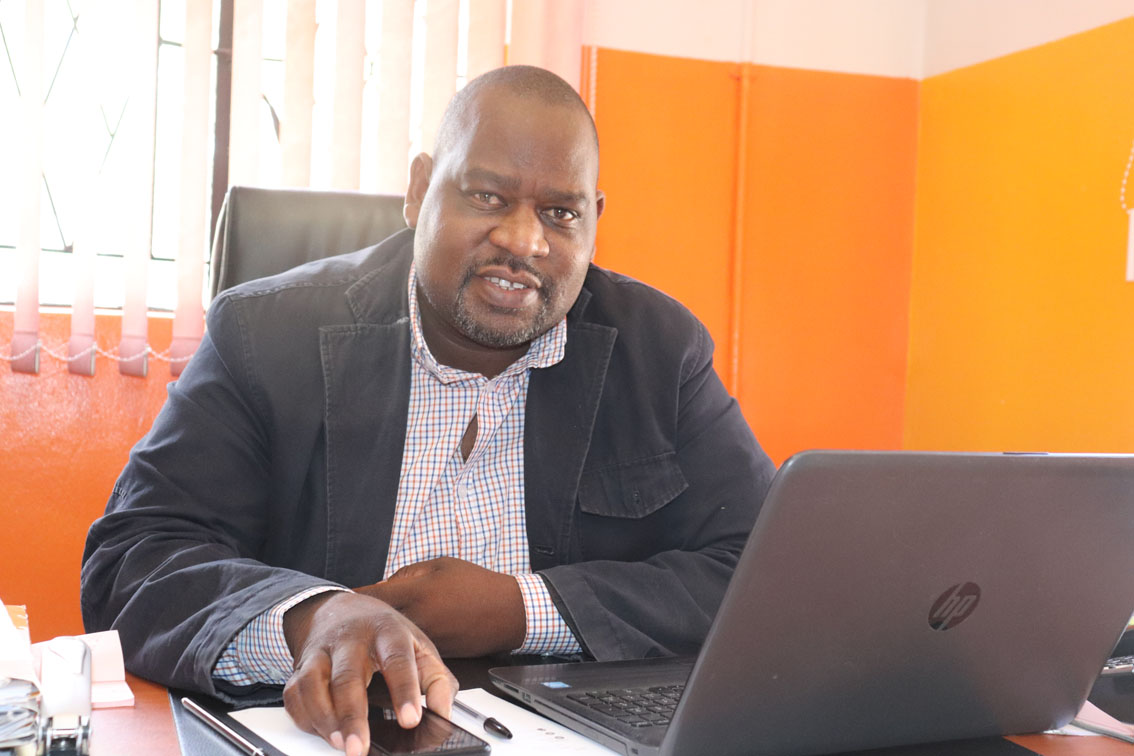
NCONGO executive director, Mr Siyoka Simasiku, said in an interview that the Jala Peo initiative was supported by the Global Environmental Facility/Small Grants Programme (GEF/SGP).
He said though it targeted 39 CBOs in the Panhandle of the Okavango Delta World Heritage Site, they had only managed to reach 21.
He said the project commenced this February and was expected to be completed by end of the year, noting that it was also expected to promote the inclusion of vulnerable groups in CBNRM project activities.
To achieve its project goals, Mr Simasiku explained that NCONGO found it necessary to begin with the assessment of the organisational capacity of the participating entities in order to identify not only their strengths, but mainly areas that needed improvement.
The exercise, he said focused on competency areas of governance, organisational management, programme and project management, human resources and financial management.
He stated that three more separate fields namely; quality assurance and improvement; inclusivity and COVID-19 response and compliance were added to the tool to fit the objectives of the ‘Jala Peo’ Initiative.
Data collection, he said was done through interviews and consultations with relevant individuals and representatives of the participating CBOs and interest groups.
Mr Simasiku appreciated the initiative, saying it added to the efforts of non-governmental organisation (NGO) capacity building in Botswana. In conducting the assessment, he said NCONGO positioned itself as an example for its member organisations on how to strengthen their organisational capacity.
During the exercise, he said they had found that in general, there was lack of organisational culture among registered participating entities, citing that once the entities were registered, there was no commitment to ‘good practice’.
In addition, he said it appeared that the representatives did not know that by virtue of being registered, they were expected to practice and perform with certain Standard Operational Procedures.
Mr Simasiku said there had been no monitoring of the progress of the entities once they had been registered and that there had been no consideration of the capacity of people entrusted with running the ‘trusts’ when these were formed, yet they are expected to function at a required level.
“The results we obtained so far clearly show that nearly all of the entities visited are not up to the standard in all the competency areas addressed because there was evidence of poor documentation, making it difficult for the data collectors to scrutinise the level of compliance,” he added. Ends
Source : BOPA
Author : Esther Mmolai
Location : Maun
Event : Interview
Date : 24 Jun 2021
Related News
08 Aug 2026

07 Aug 2026
Xiplomacy Hosting the world building the future

07 Aug 2026