


Mojela for biodiversity conservation patronage
31 May 2021
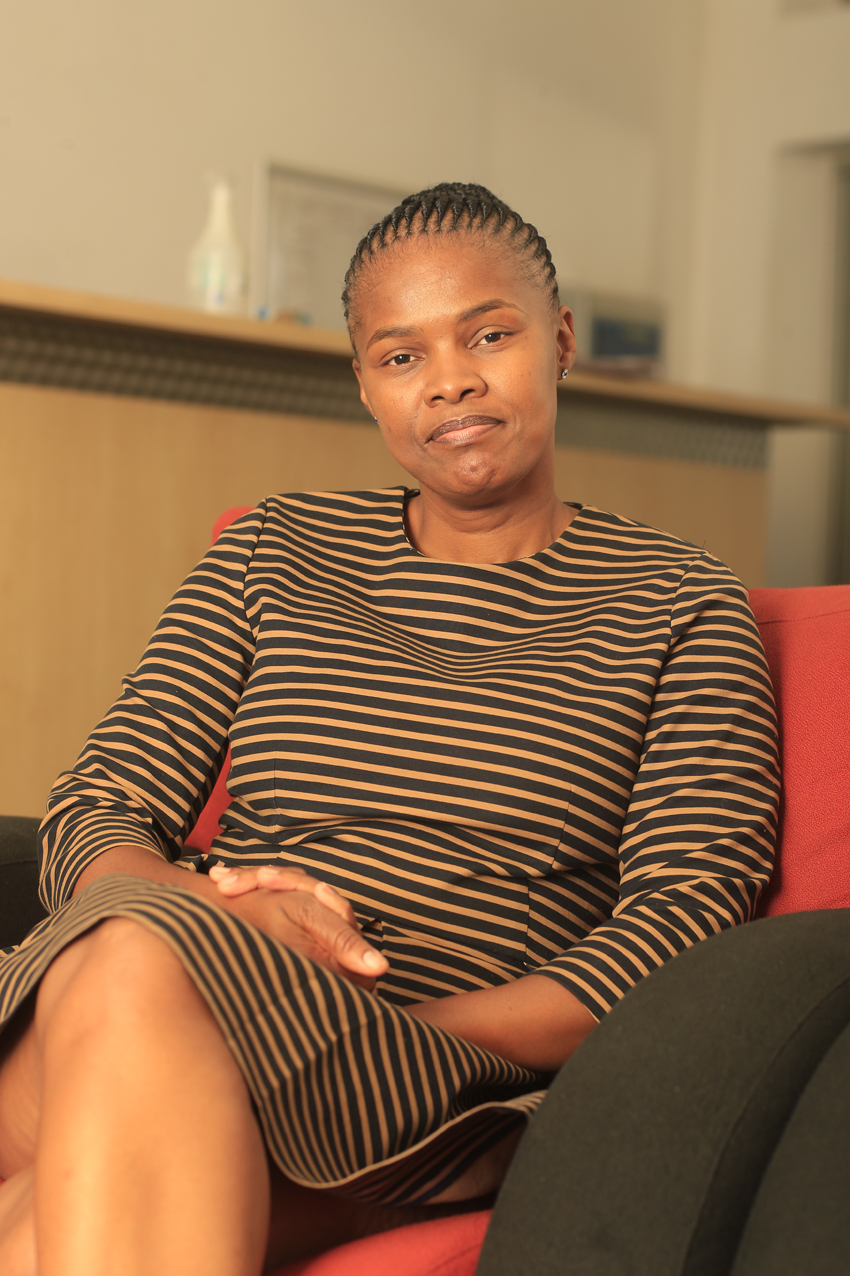
Ms Vuyiswa Mojela, a communications specialist, is the first Motswana woman to host mining exhibitions through her company, Soap Box Communications.
She will now add a safari gear to her helmet as the patron for Okavango Human Wildlife Conflict Foundation.
The newly appointed patron is determined to ensure human/wildlife coexistence is achieved. Human/wildlife conflict ensued in the past years with some communities in the northern part of Botswana living in fear of elephant and other animal attacks.
Animals encroached into human settlements destroying crops and boreholes as well as claiming human lives.
Ms Mojela, 45, said the plan was to ensure a paradigm shift that could match a new environmental model that benefitted from bio-diversity, utilising both scientific and traditional knowledge.
After joining the foundation, she said she realised that challenges surrounding biodiversity conservation in ever growing human wildlife conflict and associated issues impacted on livelihoods and animal existence.
The objective, she said, was to educate communities on biodiversity conservation, integrating indigenous knowledge to conservation and encouraging communities to venture into agro tourism.
The area of focus is Ngamiland at the Okavango conflict prone zones, and will be targeting local farmers, vulnerable communities and would be extended to other regions in Botswana experiencing issues of human/wildlife conflict.
The foundation aims to bring more benefits to communities, including skills sharing, use of technology to address human wildlife conflict and participation in conflict resolution.
Game farming has been identified as one of the strategies that would be employed to promote biodiversity conservation.
Ms Mojela said preventing occurrence and readiness to respond by communities was the foundation’s main concern through the engagement of farmers’ associations in conflict areas to help in removal of problem animals in human settlement through humane mechanised cage systems.
That, she said, would help remove problem animals from human settlements to wildlife protected areas in consultation with relevant stakeholders.
With financial challenges presented by COVID-19, she said the foundation was geared to reset and apply effective and efficient approaches of fundraising locally and internationally. She said local business entities would be approached to support the foundation.
The foundation is building a working relation with local conservation groups, Botswana Fibre Network Systems/UPIC TV, Okavango Research Institute at University of Botswana in promoting best practices for biodiversity conservation in Ngamiland. ends
Source : BOPA
Author : Thandy Tebogo
Location : LETLHAKANE
Event : Interview
Date : 31 May 2021
Related News
08 Aug 2026

07 Aug 2026
Xiplomacy Hosting the world building the future

07 Aug 2026