


Professor advocates for capacitation of trusts
17 May 2021
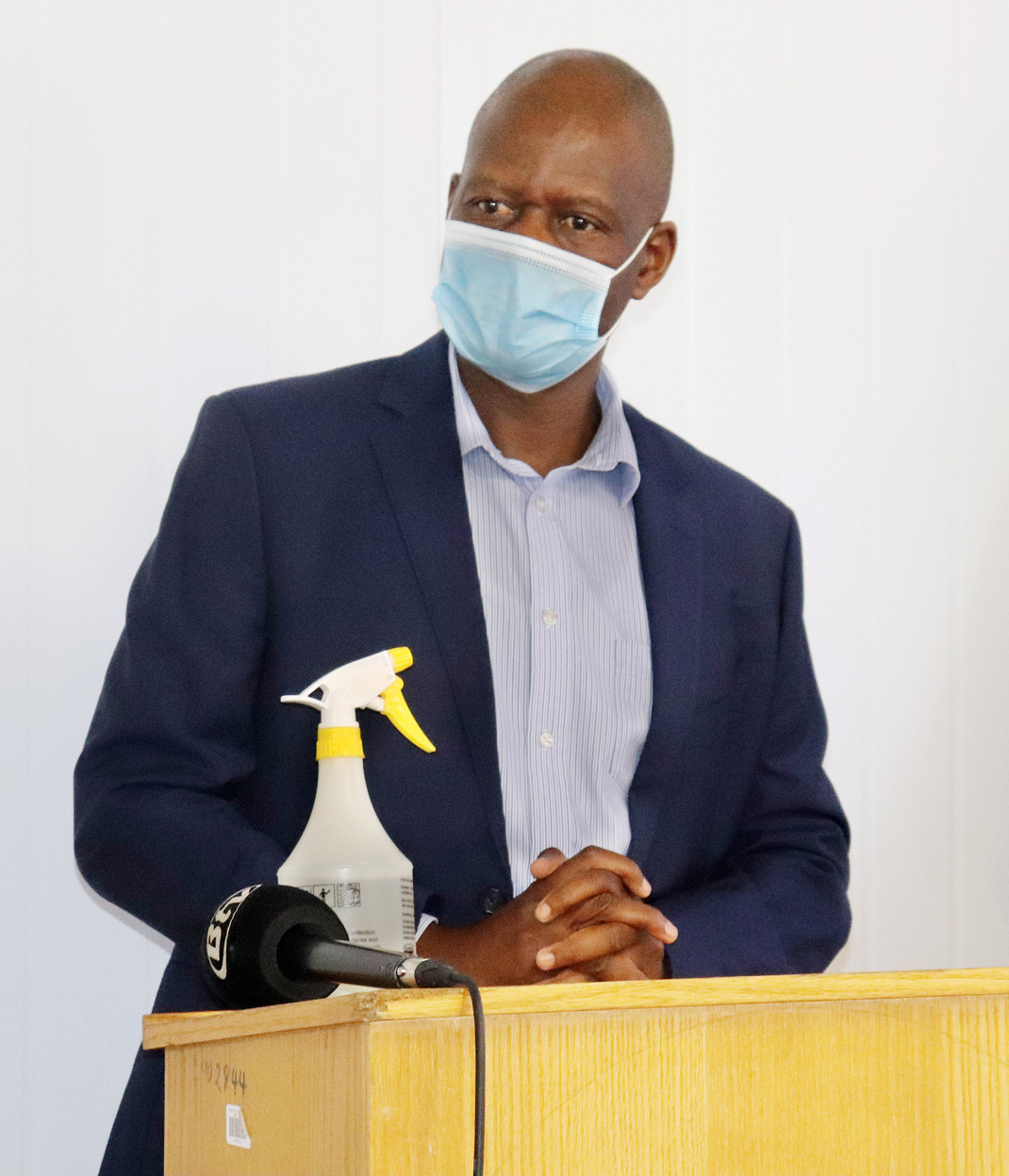
Lack of knowledge has robbed community trusts of profits they could derive from hunting quotas and the tourism industry in general, Okavango Research Institute (ORI) director, Professor Joseph Mbaiwa has said.
Speaking during a stakeholder meeting in Maun on Friday, Prof. Mbaiwa advocated for capacitation of trusts to enable them to make more revenue, which would in turn make it possible to undertake developments.
Prof. Mbaiwa said one elephant could fetch P900 000 but due to lack of knowledge, trusts ended up leasing their hunting concessions because they lacked knowledge of their value.
He said hunting generated 70 per cent of trusts’ revenue and when it was halted in 2014, they suffered a major setback.
Prof. Mbaiwa said COVID-19 did not help either because it hit just when hunting was reintroduced in 2019.
The situation, according to Prof. Mbaiwa, was starting to improve since some communities, which were allocated hunting quotas, had managed to sell them.
He said things were looking up for the industry since there were reports that some employees had returned to work and some safari camps continued to receive bookings with some reportedly fully booked up June, an indication that the tourism industry was bouncing back.
Prof. Mbaiwa reiterated that relying too much on international tourists was not working for the country especially during disaster periods and underscored the need to promote regional and domestic markets.
Studies, he said, had shown that domestic tourism could sustain the economy during a crisis, hence the need to focus more on diversifying the products offered.
He said time had come to diversify nature based tourism, adding that Moremi area had the culture aspect while Selebi Phikwe could venture into mining tourism.
“Let us promote our products and come up with mitigating measures to manage the pandemic,” he said adding that the Okavango Delta was closed because of movement restriction noting that the statistics indicated that 72 per cent of micro and small enterprises had suffered due to consequences of the pandemic.
About 209 employees, he said, owed loans to different financial institutions and had affected the banks.
He underscored the need for government to have a transformational agenda with targets and timelines to protect the tourism industry against future pandemics.
Prof. Mbaiwa said the newly adopted tourism policy ought to give SMMEs the attention they deserved and appreciated interventions by the Local Enterprise Authority (LEA) to cushion small business from the pandemic though said it was a pity as some tourism operators resorted to selling their properties to make ends meet.
For his part, the Ministry of Environment, Natural Resource, Conservation and Tourism permanent secretary, Dr Oldman Koboto, stated that international hunters were still allowed to participate in hunting season.
Though the 2020/21 hunting season was affected by the pandemic, he said communities which were allocated quotas, cumulatively made P31 million while special elephant hunting generated P27 million.
He said the ministry expected to see changes in terms of developments since the revenue generated went directly to the communities.
Dr Koboto advised communities to have a project implementation plan, which they could also present to investors to consider for their Corporate Social Responsibility initiatives.
He said the ministry supported direct auctioning of hunting quotas noting that representative from Mababe Trust had been to America on a benchmarking mission. ends
Source : BOPA
Author : Esther Mmolai
Location : MAUN
Event : Meeting
Date : 17 May 2021
Related News
08 Aug 2026

07 Aug 2026
Xiplomacy Hosting the world building the future

07 Aug 2026