


Protect Logaganeng water springs
19 Apr 2021
Department of water and sanitation regional manager in Kgalagadi has underscored the importance of protecting ground water against pollution.
Mr Force Ramasuswana said in an interview on Thursday that it was important to exercise caution and avoid illegal dumping of harmful materials such as used motor oil and pesticides, which could find their way into the aquifer over a period of time.
He said groundwater was susceptible to pollutants and as such toxic substances could move through the soil from the land surface and end up in the groundwater.
He cautioned those who collected water at Logaganeng springs for domestic use or for leisure purposes to ensure that their vehicles did not have oil leakages since contamination could occur.
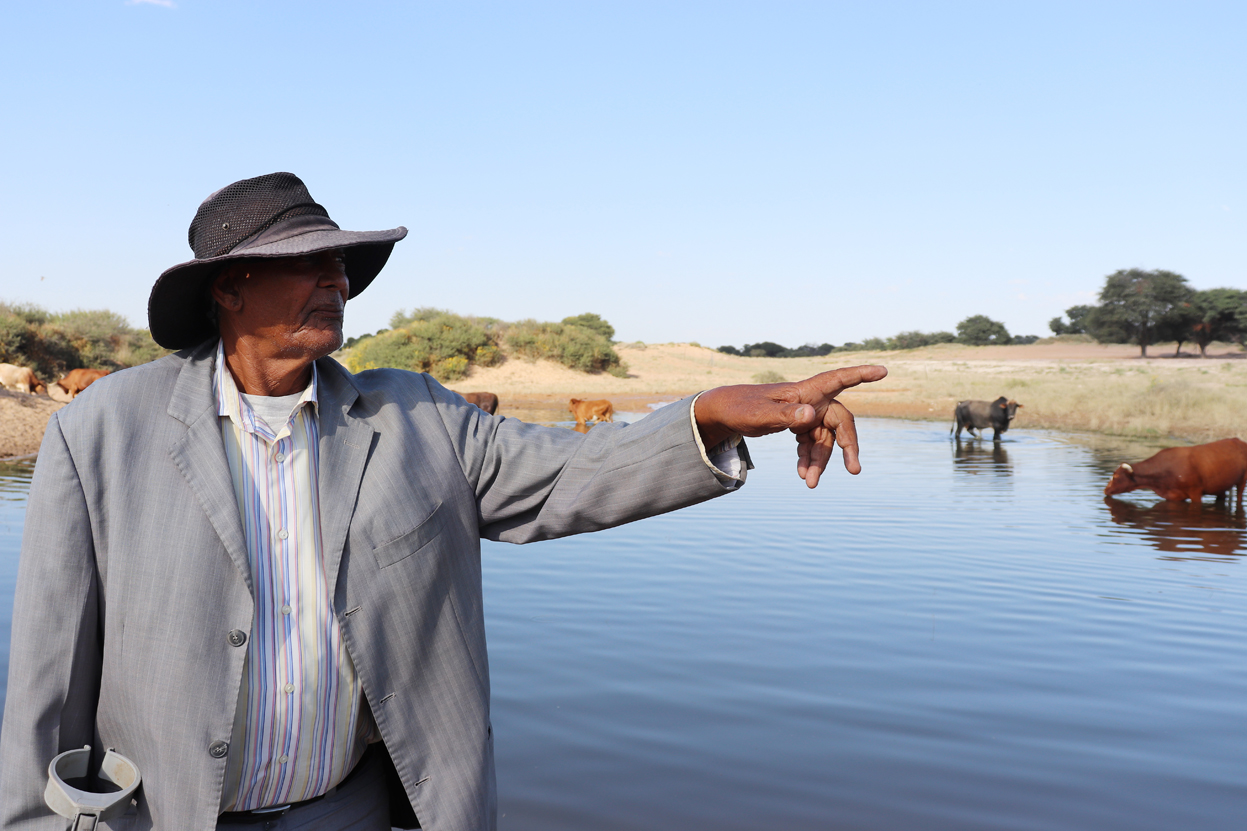
Logaganeng, a village outside Tsabong, is blessed with natural water springs that are frequented by patrons for leisure purposes.
To manage the situation, Mr Ramasuswana suggested that the Logaganeng groundwater discharge could be fenced off to control access thus ensuring safety.
He said the department was also planning to embark on public awareness campaign primarily for the protection of the area against possible pollution.
Explaining how the water seeps from the ground, he said it was a natural phenomenon that entailed movement of groundwater from the earth sub-surface to the surface commonly known as a spring.
He highlighted that safety precautions should be taken since most people in Kgalagadi District relied solely on groundwater.
He emphasised that the groundwater discharge at Logaganeng was one of its kind in Kgalagadi especially that the area comprised of a relatively deep water table.
Such springs, he said, occurred in the low laying area such as logaganeng as the water table rises.
The springs at Logaganeng are not common but only occurs following a good rain season.
The Kgalagadi District principal hydrogeologist explained that seeping water at Logaganeng was a result of water table on the ground rising a little bit after good rains where water was discharged from an aquifer.
The groundwater, he said, was stored in a fractured quartzite geologic formation and was constantly moving underground from the recharge zone in the west to south east direction.
He said water moved by gravity and topograpgy played a major role in its movement.
Mr Ramasuswana explained that during drought seasons water table drops and the water at Logaganeng would also dry up.
There was a rise of about a meter to two meters after rainy seasons as observed in boreholes which the department monitored on a monthly basis, he said.
The recharge of ground water, he said usually followed rainy seasons where the water infiltrated into the ground at the recharge zone located in the western side of Tsabong.
Groundwater then moves gradually in the westerly direction until it was discharged as a natural spring at Logaganeng, said Ramasuswana.
Quizzed on potential use, he said the water was discharged in relatively small quantities and therefore could not be of economic use.
“The quantities should be left for the natural environment. It should be left to livestock farmers and there should not be any major developments geared towards harvesting the water and avoid contamination,” he said.
He said the department was planning to conduct flow monitoring at Logaganeng spring in order to inform future groundwater resources development in the area.
For his part, Kgosi Ben Brooks of Logaganeng called for fencing of the ground water area to protect it.
He said the area, which was used by their forefathers, had proven to be beneficial to farmers over the years.
The farmers, he said, had preserved its biodiversity.
However, the traditional leader said there was rising concern over some people who went there for leisure and littered the area as well as those who collected large volumes of water without seeking permission.
He also feared that illegal pit sand mining around the pond could affect the natural flow.
Kgosi Brooks called for strategic interventions to be put in place for control to avoid villagers losing their precious natural resource due to pollution and unsafe environmental practices. ENDS
Source : BOPA
Author : Calviniah Kgautlhe
Location : LOGAGANENG
Event : interview
Date : 19 Apr 2021
Related News

08 Aug 2026

07 Aug 2026
Xiplomacy Hosting the world building the future

07 Aug 2026