


COVID-19 pandemic impact in sport
18 Apr 2021
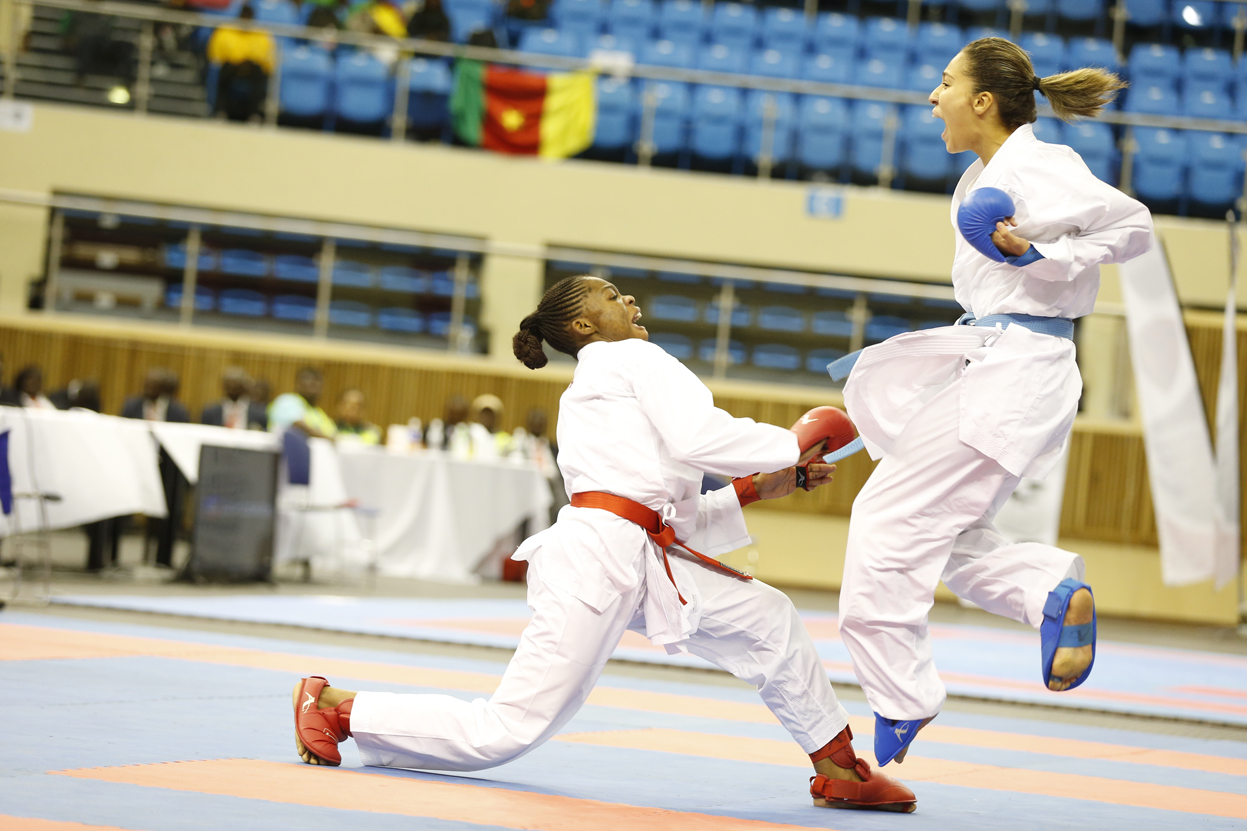
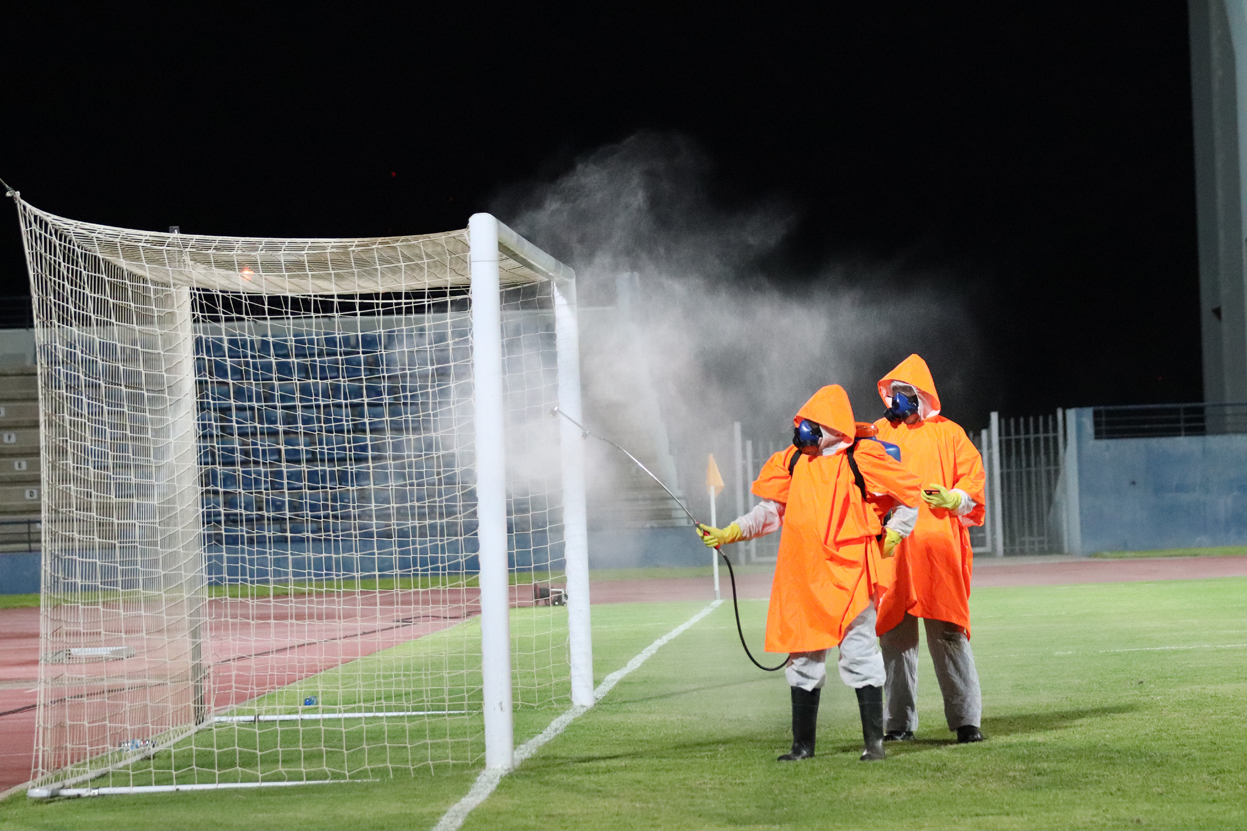
Sports, just like other sectors of economy, continues to suffer effects of CIVID-19 pandemic.
The usual weekend frenzy that normally pervades football stadia ahead of Botswana Premier Football League matches was last experienced in March 2020.
The gunshots that pump up adrenalin at same time evoking fear amongst athletes as they start races at sports grounds across the country are now as rare as winter rains in Botswana.
For almost 15 months now, the thuds that result from exchange of blows at boxing matches, accompanied by loud screams of spectators have not been heard.
These are but examples to demonstrate the paucity that has been occasioned by Covid-19 in the area of sport in Botswana.
In recent times, the only sport activities that have seen actions at stadiums albeit with no spectators are football national teams as well as Olympic qualifying games.
However, Botswana National Sport Commission (BNSC), caretaker chief executive officer, Tuelo Serufho admitted in an exclusive interview that the effects of COVID-19 have indeed figuratively torn the sport asunder.
“COVID-19 pandemic has affected sport and the sport industry in many different ways. In some cases, very severe, so much that failure to find remedy in a short space of time may lead to difficulty in recovery of certain areas”, he said.
Athletes and other people in sport are said to be hardest hit as, in many instances, they depend on prize monies, appearance fees and salaries accrued from sport activities.
Lack of activity in sport has generally resulted in salaried athletes either having taken pay cuts or being on unpaid leave, thus severely affecting their livelihoods.
Other people also affected include those hired by National Sport Associations and Clubs, as their failure to generate funds means they are challenged in honoring their obligations.
Sport codes are not making money from gate takings, membership fees, participation fees, prize monies, and advertising and as such are unable to fulfill their responsibilities such as maintaining facilities, paying staff and contracted players and servicing their utility costs.
At BNSC, Serufho stated that they had been supplementing their income through leasing of facilities and events such as awards and golf days.
All of these opportunities, he said were currently unavailable.
He said the commission was presently fully reliant on Government, adding that lack of training and competition by athletes, including students, was resulting in loss of form, stress and other social ills, which sport has hitherto played a great deal in averting.
He further said limited activities in sport and recreation meant that sport retail entities were not pushing products and as a result there was great risk that employees could be affected.
Besides retail, as sport was a big contributor to sectors such as transport, hotel, catering, ticketing, and security companies amongst others, Serufho said the suspension of sport was dealing them a big blow.
Asked how they intend to assist in ensuring that things were restored as soon as possible, the CEO stated that they recently submitted a proposal to the Ministry of Youth Empowerment, Sport and Culture development, detailing the support needed from Government for safe return of sport as well as how sport would gradually return, ensuring that there was minimum risk of those involved to contract Covid-19. ENDS
Source : BOPA
Author : Anastacia Sibanda
Location : GABORONE
Event : Interview
Date : 18 Apr 2021
Related News
08 Aug 2026

07 Aug 2026
Xiplomacy Hosting the world building the future
07 Aug 2026