


Small stock rearing game-changer in Otse
15 Mar 2021
With government having put in place an array of social security nets to cushion citizens against undue suffering, some beneficiaries of some of the initiatives have shown resolve to do all in their power to break out of the cocoon of absolute lack.
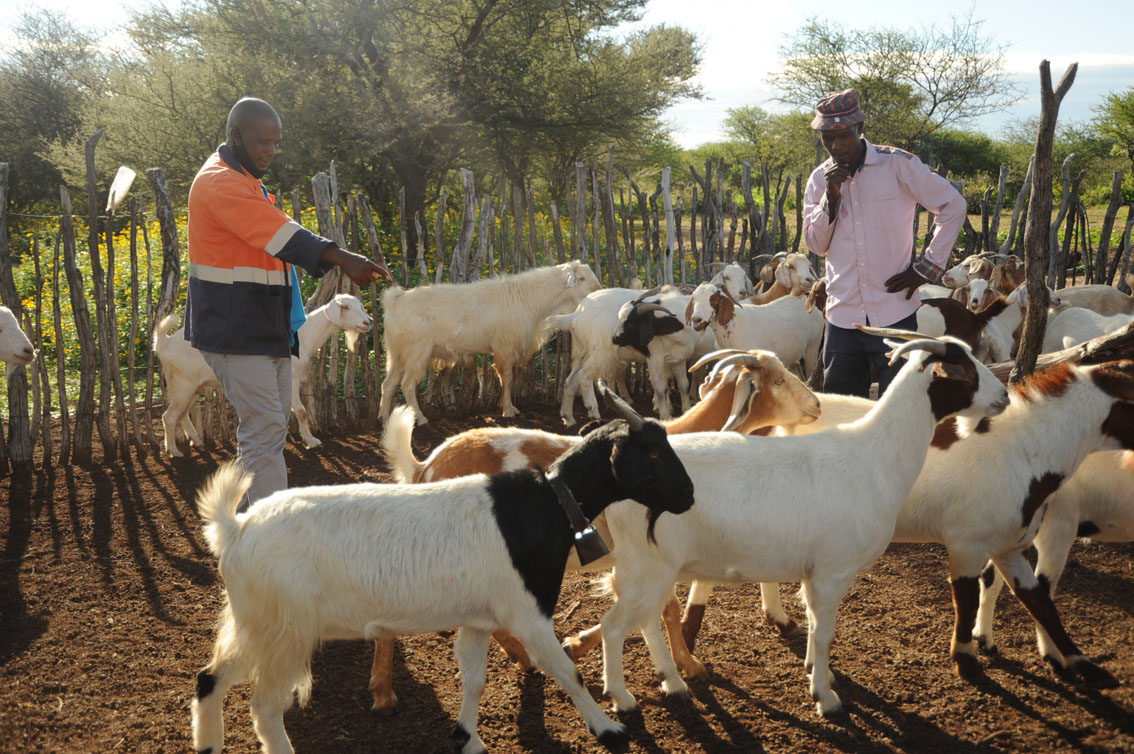
In Otse for instance, a village that lies at the edge of Mahalapye Sub-district, leaning on the Central District’s border with the Kweneng region, residents have fully embraced smallstock rearing, with many of them making use of the different initiatives through which acquisition of goats and sheep has been made possible.
The smallstock components of the poverty eradication initiative and the Livestock Management and Infrastructure Development (LIMID) programme are outright hits with Otse residents as the number of beneficiaries have always soared high above those of other components of the same programmes.
While many residents have since been assisted, many more are still waiting for their turn to also benefit from the programmes.
Records held by the agricultural field assistant in Otse indicate that since inception of the two initiatives, 87 residents have so far been assisted to acquire smallstock and of the figure, 55 are females whereas 32 are males.
Those who benefitted from the poverty eradication initiative lead the pack at 69 beneficiaries while 11 residents acquired their smallstock through LIMID.
Though the projects are at varying stages of success as should be expected, there are a few cases of total failure, whose underlying cause was mostly due to stock theft and deaths of animals due to various causes.
Most beneficiaries are doing fairly well and some have begun to enjoy the fruits of their projects.
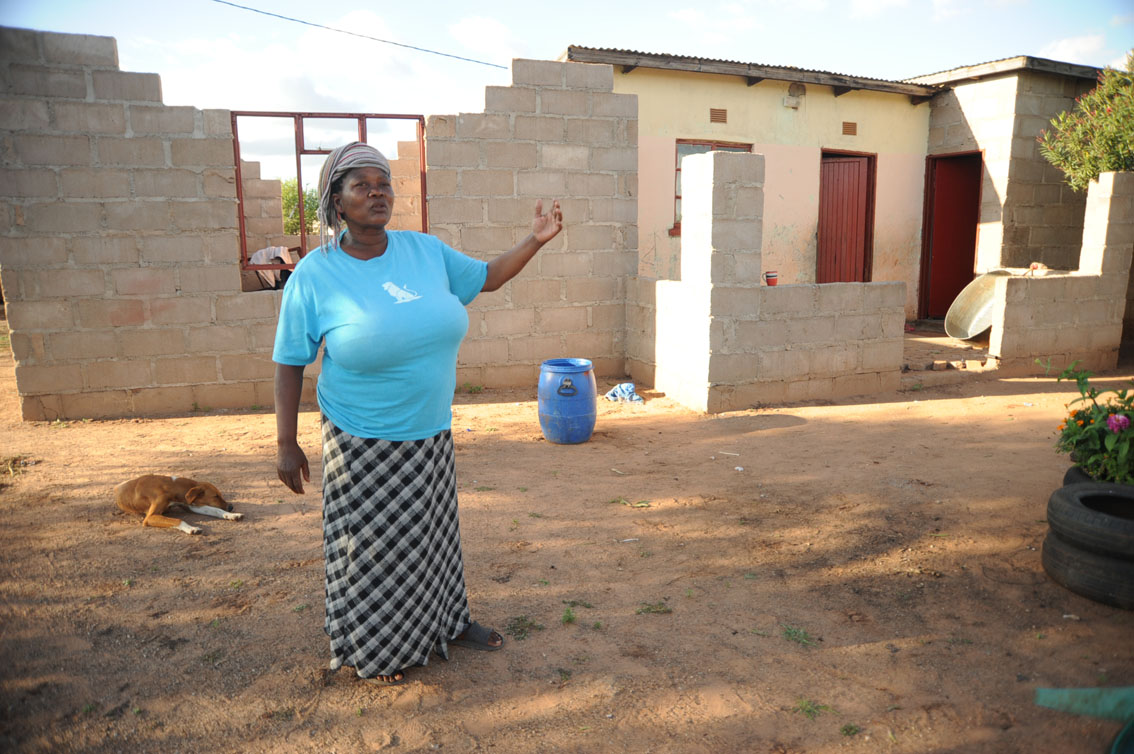
Having acquired her goats in 2013, Ms Mojori Motlhanka today looks back with a sense of satisfaction and gratitude to government on the feats she has since achieved from the proceeds of her project.
“These goats have changed my life in ways I could never have imagined. I have been able to extend my house by affixing an additional two rooms to it and have also connected power with money from the sale of some of the goats,” she notes.
The benefits that her project has so far yielded have become the driving force behind her desire to see the project grow further.
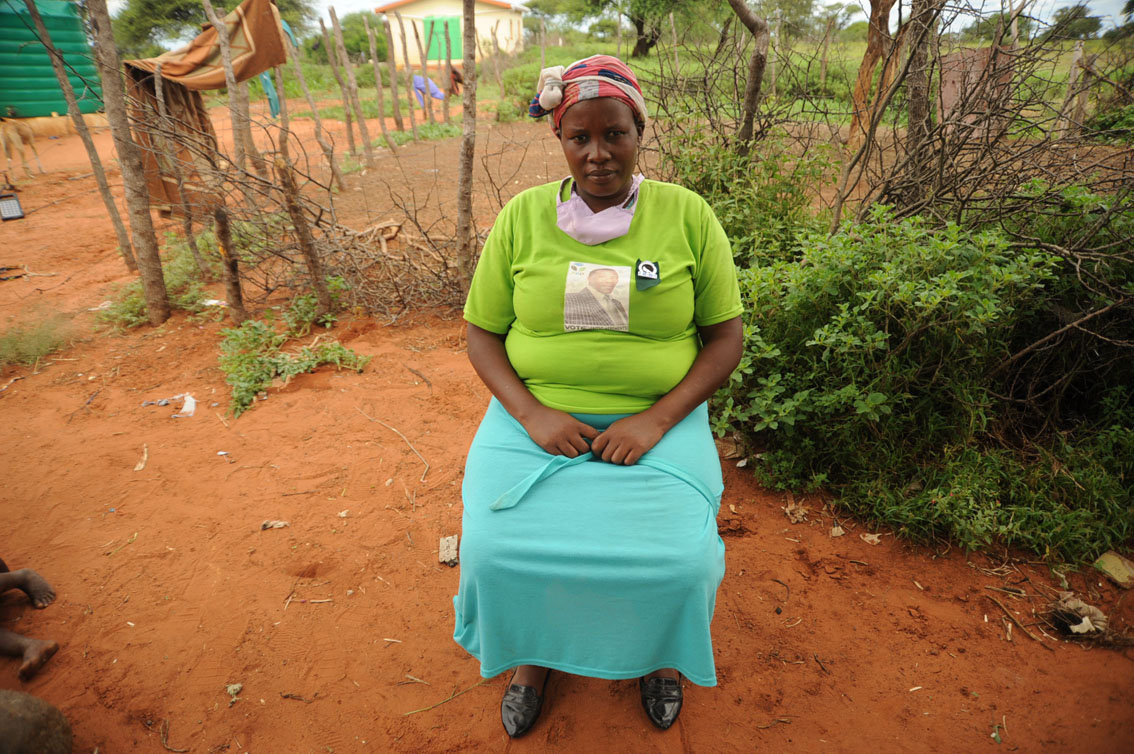
As for Ms Dikakanyo Gabobake who got forced out of her homestead by the collapse of her solo mud hut one rainy season, the dream to have decent shelter is close to being realised.
Ms Gabobake’s two-roomed house is at roofing level and the materials are already on site.
“Thebe nngwe le nngwe e ke e dirisitseng go emeletsa ntlo e, e dule mo go tsone dipudi tse tsa lenaneo. Le metsi ke setse ke dueletse kgokelo ya one, ke emetse fela go re ba tle go a tsenya,” she says, explaining how her project has funded the construction of her house from ground up and has also enabled her to pay for water connection.
Like others, Mr Orapeleng Motshegwa is hopeful that his project will see him scale great heights.
In addition to generally being able to derive his livelihood from his goats through occasional sales, his biggest dream is to see his flock multiply.
That way, he believes, it will enable him to achieve even bigger things.
Mr Motshegwa, who keeps his goats as Mosaso cattlepost north east of Otse, has since sold some and used the proceeds to buy a donkey cart which he uses to fetch water for the flock, an exercise that has made watering the goats a much easier task.
Ms Florinah Pitika, a beneficiary who received her goats in 2018, is looking forward to a day when she will no longer be a regular at the Ipelegeng programme.
Whereas she currently depends on the temporary employment from the Ipelegeng programme, she believes that once her goats have multiplied she will be able to derive some income from them and therefore be in a position to better her life.
For Ms Keromemang Baboneng, the various smallstock initiatives by government should not be taken lightly as they are capable of turning around the lives of many disadvantaged Batswana.
For her, being given the goats opened up a whole new world of great opportunities.
“I was given the goats last year. Though I had initially applied for a salon business I ended up being given the goats.
I am still happy with that because I will use the proceeds from the goats to fund the salon business that I want to start,” she says, noting how the smallstock project will help turn into reality her dream to own a hair salon.
The Otse-based agricultural field assistant Mr Tlhabologo Taolo, whose area of coverage includes Otse, Kodibeleng, Mokgenene and Poloka is happy with how the smallstock projects in Otse are doing.
The commitment by most beneficiaries to see their projects blossom gives him hope of a better life for most residents.
“Beneficiaries in Otse are really doing well.
I have seen some improve their lives in different ways and this pushes me to really drive these projects,” he explains.
Since 2014 when he got transferred to Otse, Mr Taolo has seen LIMID and poverty eradication beneficiaries who opted for the smallstock component steadily improve their lives.
“Ba aga matlo, ba bangwe ba tsenya motlakase le metsi. Go bo go nna le bangwe ba bone ba ananyang dipudi ka dikgomo go atolosa thuo ya bone. Tse tsotlhe ke dilo tse di itumedisang,” he concludes, elaborating how beneficiaries have over time used proceeds from their smallstock projects to build houses and venture into cattle rearing amongst other things.
With the ongoing drive by the President, Dr Mokgweetsi Masisi to see the smallstock sector flourish and become more profitable, Otse residents appear to be well-positioned to reap great benefits from this sub-sector. Ends
Source : BOPA
Author : Keonee Kealeboga
Location : Otse
Event : Interview
Date : 15 Mar 2021
Related News

08 Aug 2026

07 Aug 2026
Xiplomacy Hosting the world building the future

07 Aug 2026