


Gender-sensitive COVID-19 responses vital
10 Mar 2021
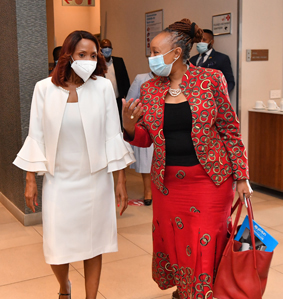
First Lady Neo Masisi has called for gender-sensitive responses that safeguarded the rights of women and girls during and after the COVID-19 crisis.
She said this against the backdrop of increasing cases of women and girls abuse during the pandemic, especially during lockdown periods.
Ms Masisi, who was officiating during International Women’s Day commemoration in Gaborone yesterday, said COVID-19 had precipitated pre-existing injustices and inequalities prevalent in the society.
The pandemic, she said, had also reversed progress that had been made in empowering women and girls.
In addition, the first lady said resource constraints resulting from the pandemic were likely to heighten inequalities between females and their male counterparts.
She said it was disheartening that inequalities still persisted in the country because of heavily entrenched cultural norms.
Ms Masisi lamented that women were still underrepresented at all levels of leadership and decision-making in government, the corporate world and political sphere.
This was despite the fact that in Botswana women outnumbered men and female students outperformed their male counterparts in school leaving examinations, she said.
Ms Masisi however praised government for its commitment and political will evidenced by among others approval of the Sexual Offenders Bill which would help in calling out and punishing perpetrators of the dreadful crime of gender- based violence as well as the establishment of GBV courts.
Botswana, she said, had always aspired to create a just and inclusive society through initiatives, policies and laws that promoted gender equality and the rights of women and girls.
She said national instruments such as Vision 2036 articulated the country’s commitment to promote social inclusion, end poverty and foster shared prosperity as well as ensure women’s full participation in all aspects of development.
Ms Masisi stated that the national frameworks related to women and girls’ rights adopted by the country were in accordance with the United Nations human rights instruments such as the Convention on the Elimination of Discrimination Against Women (CEDAW) and the Convention on the Rights of the Child.
Meanwhile, UNICEF country representative, Dr Joan Matji has said his organisation had started initiatives geared towards
revolutionizing education through digital transformation to allow for the empowerment of all young people.
She said through the initiative dubbed Generation Unlimited (Gen-U), adolescent girls and young women had access to transformed learning and skills development opportunities.
Dr Matji also said through Gen-U, girls and boys would be able to challenge harmful gender norms and practices that had worsened in recent times.
She encouraged dialogue for young people in order to help them shape their future and reach their full potential.
“We will continue to create opportunities for young people to be heard throughout the year. We will also be fully behind the Generation Equality Forum that will be launched later this month in Mexico,” she stated.
Kgosi Mosadi Seboko of Balete called for inclusion of young boys in the fight against GBV and gender equality mainstreaming.
She also encouraged women to dispel myths about cultural norms and to make use of good cultural practices to their best advantage.
The theme for this year’s International Women’s Day, which falls on March 8, was, ‘‘Women in leadership: Achieving an equal future in a COVID-19 w o r l d ”. ENDS
Source : BOPA
Author : Mmoniemang Motsamai
Location : GABORONE
Event : International Women’s Day commemoration
Date : 10 Mar 2021
Related News
08 Aug 2026

07 Aug 2026
Xiplomacy Hosting the world building the future

07 Aug 2026