


Work place stress detrimental - Kennedy
14 Feb 2021
Diminished productivity, absence from work and healthcare costs due to workplace stress can negatively impact the economy of the country, says the Director of Botswana Network for Mental Health (BNMH), Ms Charity Kennedy.
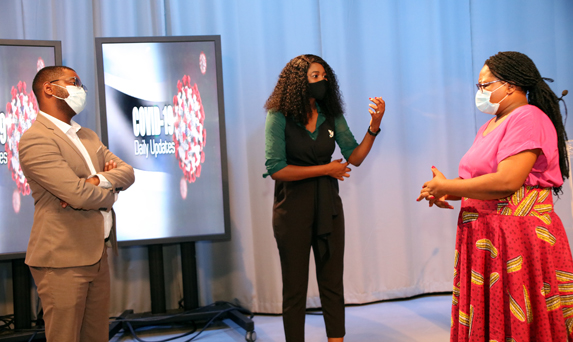
Briefing the media on Thursday, Ms Kennedy noted that during this pandemic, it was critical to recognise what stress looks like, take steps to build resilience and manage job stress, and know where to go for help.
She said fear and anxiety about this new disease and other strong emotions could be overwhelming, adding that workplace stress could lead to burnout.
She said many workers report experiencing work-related stress, which compromises their performance and health, adding that workplace stress does not only affect the worker, but it also has adverse effects on company performance.
She revealed that the effects of job-related strain are evident in workers’ physical and mental health as well as their behaviour, explaining that workers who are stressed at work are more likely to engage in unhealthy behaviours, such as smoking, alcohol and drug abuse as well as poor dietary patterns.
Ms Kennedy also said stress strengths, weaknesses, opportunities and threats (SWOT) analysis is useful on both personal and organisational levels as it ensures that one recognises all the personal strengths, skills, resources and social networks that can help them to manage stress.
“You may find that you have strengths and skills that you are not aware of and this analysis will highlight them.
By looking at your weaknesses, you identify areas you need to change in your life, including any new skills that you have and it will show you where you need to improve your stress management skills,” she said.
She encouraged employees to develop themselves, saying that personal development played an essential role in reducing stress and conflicts, not only at the workplace, but also at home and in personal lives.
Ms Kennedy said personal development teaches an individual to smile even in times of crisis or unwanted circumstances.
A volunteer at BNMH, Ms Shanel Nikolic said prevention and management of workplace stress required organisational level interventions, because it was the organisation that creates the stress.
She mentioned engaging in breathing techniques as one of the tools a person can easily use, saying it also does not take any special training.
“Regular standing, moving, and light aerobic exercise or taking a walk, involving your colleagues throughout the day will reduce stress as they are also beneficial for physical and mental health,” she said.
Ms Nikolic urged employers to identify stress-related issues and help employees find ways to mitigate them.
For his part, Father Khoma Mantu noted that during the COVID-19 pandemic, people may experience stress, anxiety, fear, sadness, loneliness and mental health disorders, including anxiety and depression.
He said mind re-framing and self care strategies were important during this time because they help one to cope.
Father Mantu also encouraged people to talk and to take up mental health and well-being support activities. Ends
Source : BOPA
Author : Naomi Leepile
Location : Gaborone
Event : Press brief
Date : 14 Feb 2021
Related News

08 Aug 2026

07 Aug 2026
Xiplomacy Hosting the world building the future

07 Aug 2026