


Peep into 202122 budget speech
31 Jan 2021
Minister of Finance and Economic Development, Dr Thapelo Matsheka is expected to present what some call a ‘tough and unpopular’ national budget speech for the 2021/22 financial year.
Presenting the 2021/22 Budget Strategy Paper (BSP) last year, Minister Matsheka explained that it had been prepared against the backdrop of an extremely challenging economic environment, given the impact on global growth and the wider uncertainties caused by the coronavirus.
He explained that COVID-19 had been an unprecedented with disruptions across the global economy.
Inevitably, this global disruption has brought about severe strains on the Botswana economy, mainly through weakened global demands for major exports, disrupted supply chains, and reduced consumption across a number of sectors.
This has led to a drop in government revenues and a reprioritisation of government spending plans and commitments.
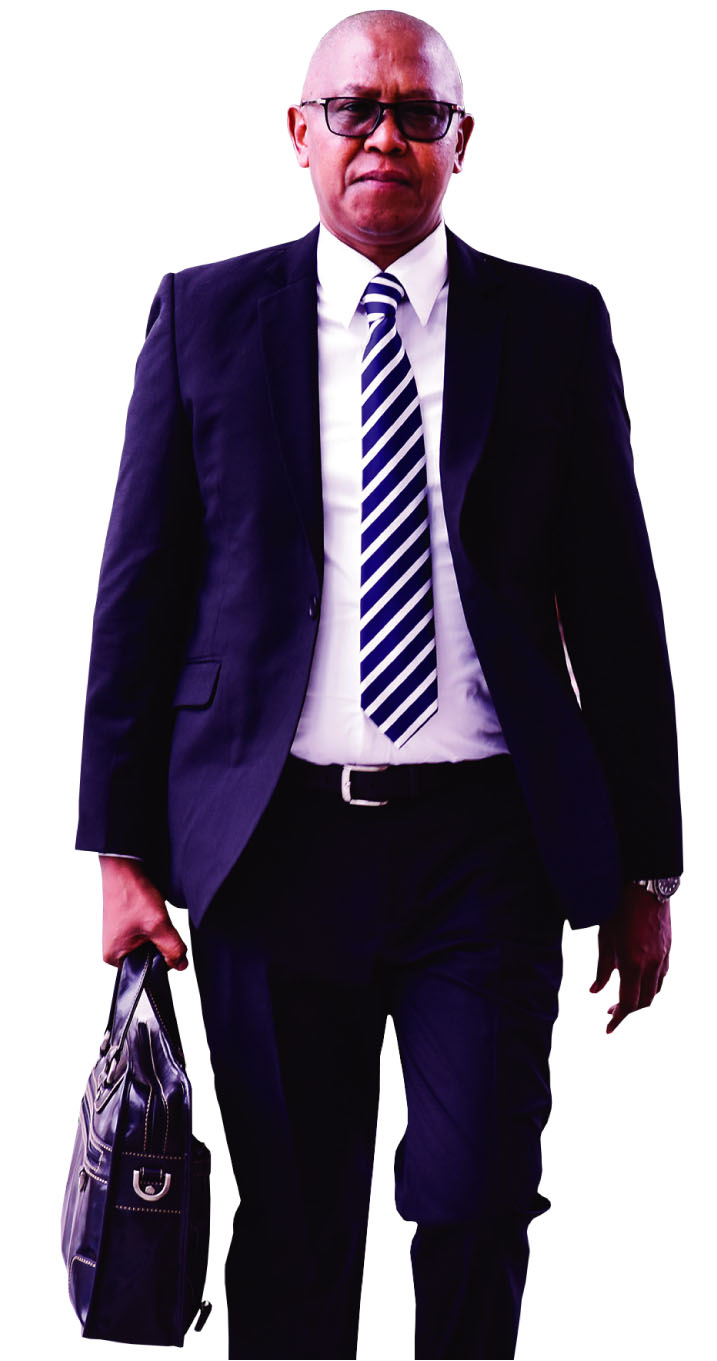
A Francistown-based economist, Mr Edson Kambeu said the next budget would be a difficult one because it came in the middle of the pandemic.
“Under these circumstances, I think the next financial budget should prioritise fighting the pandemic.
Putting more resources into fighting and eradicating COVID-19 is essential and will help the economy recover,” he added.
Mr Kambeu said businesses had been severely affected by this pandemic and urged the government to formulate policies and put resources that would help business survive and recover from this pandemic.
He added that in the past year, the economy had contracted and government revenues had also dwindled, saying government would likely increase taxes such as income taxes, VAT and customs duties to raise revenue.
“This will likely burden the businesses and consumers.
As the government prepared the next budget, it should balance the need to raise revenue to finance its spending and the need to cushion businesses and consumers from the negative effects of COVID-19,” he said.
Mr Kambeu said most of the businesses relied on imports and that during the pandemic, the supply chains were affected as most countries imposed restrictions on movement of people as well as air and road travel, adding that transportation of goods had become complicated and or costly.
“What we have learnt from this is that there is need to reduce overreliance on imports.
We need to create domestic supply and value chains and cease being over reliant on imports for raw materials and end products,” he added.
He explained that the pandemic had also taught us the need to digitalise our economies and that most businesses had to find ways of being productive during lockdowns using technology.
“We have seen the importance of adapting to new technologies in business processes.
At the national level, we probably need to look at technology infrastructure and the IT knowledge level of our human capital base,” he said.
Mr Kambeu said because mining and tourism, which used to be the country’s source of revenue, had collapsed due to COVID-19, we should look for ways to close the gap and resuscitate the economy.
He also said the mining sector had been hard hit by COVID-19.
“With mining there is nothing much we can do because it is a sector that is heavily dependent on what is happening in the international commodity markets.
The global economies are currently down, and this obviously affects demand for minerals and mineral-based products,” he said.
Mr Kambeu further explained that just like mining, the tourism industry had also been hard hit by COVID-19 because of travelling restrictions imposed by many countries, saying the tourism sector heavily relied on foreign visitors.
He said there had been much discussion about economic diversification without action, adding that COVID-19 had reminded everyone of the need to foster diversification efforts.
“There is need to promote sectors such as the agriculture sector.
Greater commercialisation of agriculture has potential to contribute significantly to the economy,” he said
He said when facing low Foreign Direct Investment inflows, there was no other way, but to look inward to finance the country’s economic growth.
“I believe as locals we can finance our economic growth and we need to create mechanisms that ensure efficient mobilisation of savings.
When we build up a large pool of savings, our entrepreneurs and businesses will have cheaper access to investment funds, and this will help them grow,” he added.
In addition, Mr Kambeu said promoting internal savings-led growth required that the country build an efficient and inclusive financial system.
Mr Kambeu believes that the manufacturing industry is the cornerstone of a strong economy, adding that local people need to identify opportunities.
“Government needs to capacitate local people to create sustainable manufacturing businesses.
We already have some emerging small scale manufacturing businesses.
We also need to review our trade policies and ensure that some of our manufacturing enterprises, large or small scale, are protected from foreign competition,” he said. ENDS
Source : BOPA
Author : Thamani Shabani
Location : FRANCISTOWN
Event : Budget Speech Preview
Date : 31 Jan 2021
Related News
08 Aug 2026

07 Aug 2026
Xiplomacy Hosting the world building the future
07 Aug 2026