


Botswana UK collaboration key to anti-human trafficking
08 Mar 2020
Collaboration with the United Kingdom (UK) will assist Botswana to accelerate anti-human trafficking efforts and enhance the overall measures and strategies geared at combating transnational organised crime.
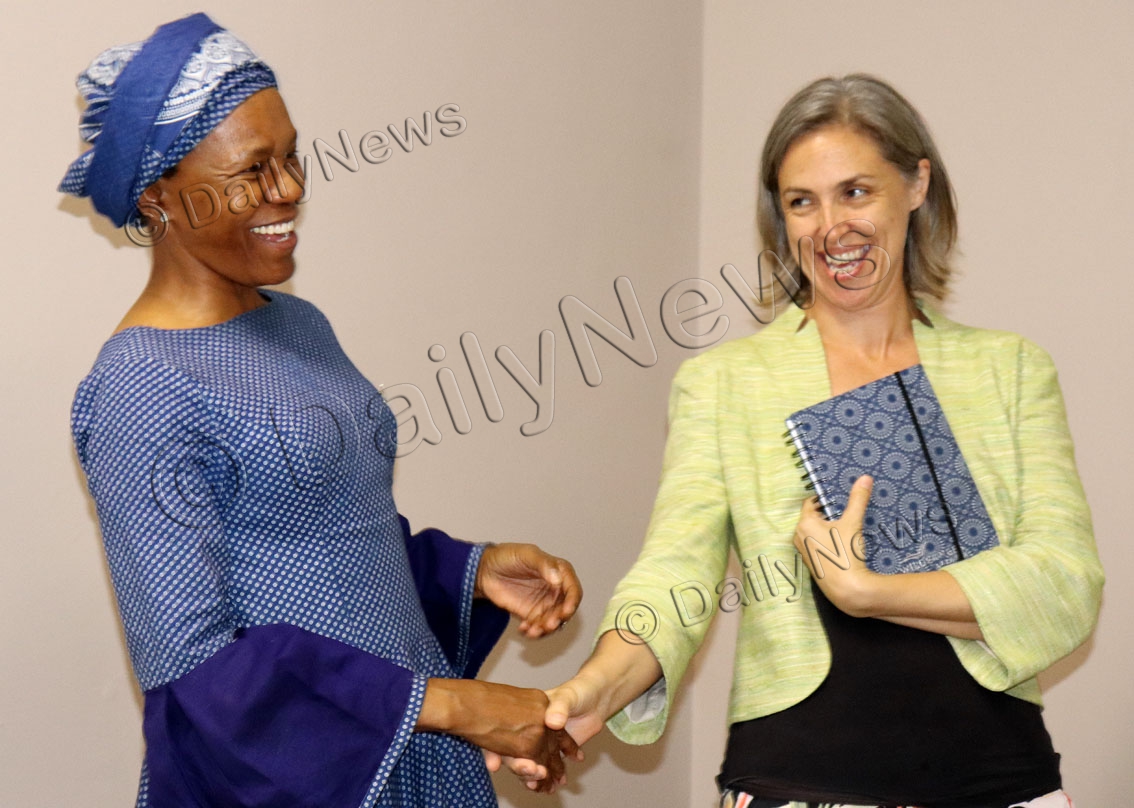
Officially opening Botswana and UK cooperation workshop on detection of human trafficking, document fraud and imposters, secretary for safety and security in the Ministry of Defence, Justice and Security, Ms Pearl Ramokoka said the collaborations were done in the spirit of shared responsibility and international cooperation.
She appreciated that the workshop was a testament of both governments’ commitment to increase their capacity to prevent, investigate, prosecute, adjudicate and punish transnational organised crime.
She said they were also recognising the indivisible nexus between the various crimes such as human trafficking, corruption, financing of terrorism and money-laundering.
Ms Ramokoka said Botswana’s Anti-Human Trafficking Act provided for establishment of human trafficking (prohibition) committee.
The committee’s primary responsibility would be to monitor implementation of international obligations including cooperating with foreign bodies in relation to the prevention and suppression of trafficking in persons.
Furthermore, she said Botswana was a signatory to the United Nations (UN) Convention Against Transnational Organised Crime, adding that they subscribed to its protocol to prevent, suppress and punish trafficking in persons, especially women and children.
The convention and indeed the protocol encouraged UN member states to make concerted efforts to enhance international cooperation in so far as combating transnational crime is concerned.
“As we seek to create and maintain regional and international opportunities for globalisation and progress, there are unfortunately those who are determined to exploit these progressive and inclusive ideals,” said Ms Ramokoka.
The workshop hosted by the Ministry of Defence, Justice and Security in collaboration with the British High Commission attracted officers from the Department of Immigration, Labour and law enforcement.
The intention was to build capacity with law enforcement in the northern region on issues of human trafficking and associated matters.
For her part, acting British High Commissioner, Ms Emily Summers said human trafficking was a serious concern noting that women and children were most vulnerable.
She said it was estimated that between 20 and 40 million people were affected globally and that 71 per cent of those affected were women and girls.
She defined trafficking in person as the recruitment, transportation, transfer, harbouring or receipt of persons without their will or by means of the threat.
Ms Summers said human trafficking was a hidden crime and hard to measure as estimates indicated that only a small number of survivors were identified.
A significant number of women, she said, were being trafficked for sexual exploitation. Ends
Source : BOPA
Author : Esther Mmolai
Location : Maun
Event : Workshop
Date : 08 Mar 2020
Related News
12 Aug 2026
12 Aug 2026
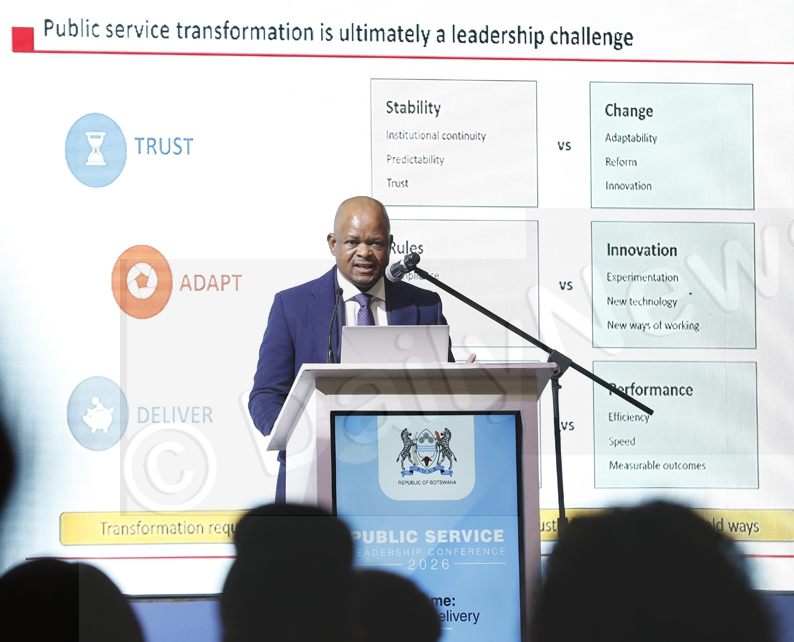
Adopt modern and flexible public service
12 Aug 2026
Ministry and De Beers partnership yields fruit

12 Aug 2026
Tsabong adopts China model to fight poverty

12 Aug 2026