



Salakae tables motion to end BMC monopoly
25 Feb 2018
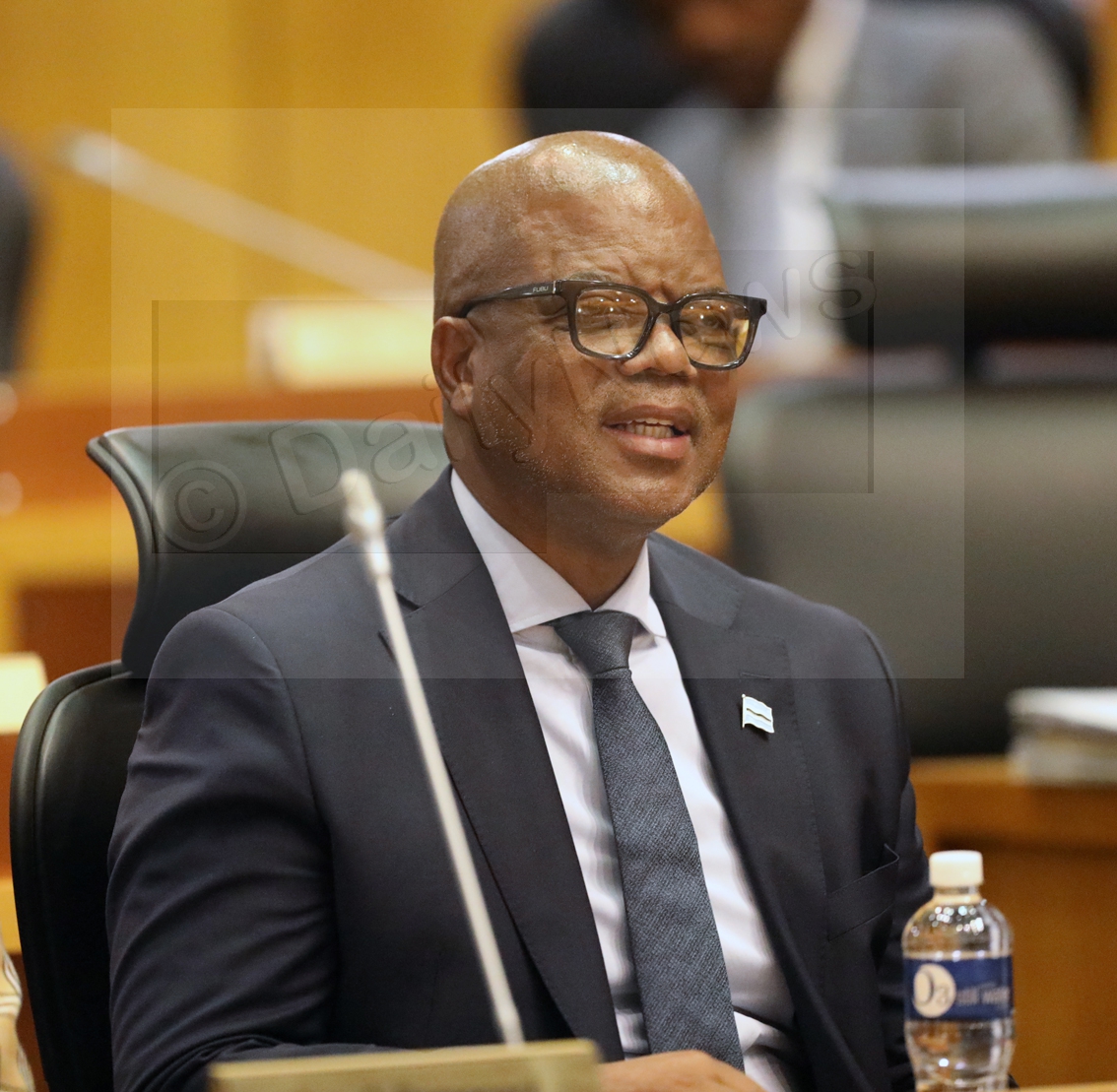
Ghanzi North MP, Mr Noah Salakae says when the Colonial Development Cooperation opened Lobatse Export Abattoir in 1954 and when the government took over ownership and operations in 1965, it was necessary then to adopt a monopoly.
Mr Salakae said this when presenting a motion before Parliament requesting the government to end the Botswana Meat Commission beef export monopoly.
He explained that it was so because the private sector was small and underdeveloped to play any meaningful role in the then large scale beef value chain with significant contributions to the GDP, exports, employment and an important social and cultural role.
However, he said now there was every evidence that the private sector had come out of age and there was also experience, skill and financial good will to stimulate growth and sustain the sector.
“Beef production is a God sent to Botswana. It is historically, and still is, the pride of our households and therefore must not be left to perish prematurely.
It has fed our people, clothed and sheltered them, taken our children to school and employed them when they were ready to work. It has supported marriages and built churches and even buried our families and loved ones before and after independence,” he added.
Mr Salakae said the legacy was under siege today, as for years the beef industry had endured the ache of stunted growth and lack of sustainability.
“Prices paid to farmers are declining in real terms. To be precise, the whole beef value chain has been compromised and unless we move quickly to reconfigure economic and trade coordinates, the beef industry will crumble, just like the BCL group of companies,” he said.
Unlike BCL, where he said only a part was affected, the Ghanzi North MP said with respect to beef, a great deal if not all households, were already sneezing with the resultant effect on unemployment, poverty and income disparities.
For that reason, he said it was of paramount importance to take heed of the early warnings as they were flagged by producers, consumers and researchers.
Like all farmers, through their farmers associations, Mr Salakae said he also believed “getting rid of the BMC monopoly is the best way out of this dilemma.”
The Ghanzi North MP said the liberalisation of the beef markets was long overdue because the private sector was now developed, mature and capable. With respect to the small farmer, he said the biggest reform to the small farmer was to afford them choices to sell their cattle where the price was better, “and this can only be achieved when the monopolies are ended and when the export market is liberalised.”
The farmers main argument, he said, was that the beef industry had been contributing less and less to the country’s GDP. “Approximately five per cent in average, suggesting that there could be a cause that needed to be identified and uprooted and in their view that was BMC beef export monopoly.”
“They correctly argue that the monopoly was also compromising private sector growth and blocking foreign direct investment,” he said, giving an example where the monopoly drove away investors who were prepared to invest nearly USD 100 million in the development of a state of the art export abattoir in Ghanzi to export value added meat products via Walvis Bay.
In his response to the motion, the Minister of Agricultural Development and Food Security, Mr Patrick Ralotsia said Mr Salakae was aware of what government was doing and its intentions with relation to the beef export monopoly, “and he is attempting to pre-empt the stance that government will ultimately take.”
On February 28, 2018, Mr Ralotsia said he would present to government a cabinet memorandum with recommendations about the future of BMC “with particular reference to BMC beef export monopoly.”
“I know in this sphere of politics even when you know that government is doing something, you may want to give people the impression that had it not been you, things would not have been done. So, all I want to say is that indeed we are doing something,” he said.
He said he agreed that something needed to be done in relation to the beef export monopoly because a liberalised market would lead to increased efficiency, resulting in competition.
Additionally, the minister said liberalisation would make the beef industry more attractive to investors.
“However, we need to do these things cautiously,” he said. Ends
Source : BOPA
Author : Lorato Gaofise
Location : Gaborone
Event : Parliament
Date : 25 Feb 2018
Related News

25 Aug 2026
Forensic audit generates 90 priority actions
25 Aug 2026