



Nuclear laws inadequate
18 Dec 2025
The current laws do not adequately cover all elements of comprehensive legislation for the safe, secure and peaceful use of nuclear application.
This create effectiveness gaps in dealing with the control of radiation sources, as outlined in the obligations and agreements of the International Atomic Energy Agency (IAEA), of which Botswana is a member state.
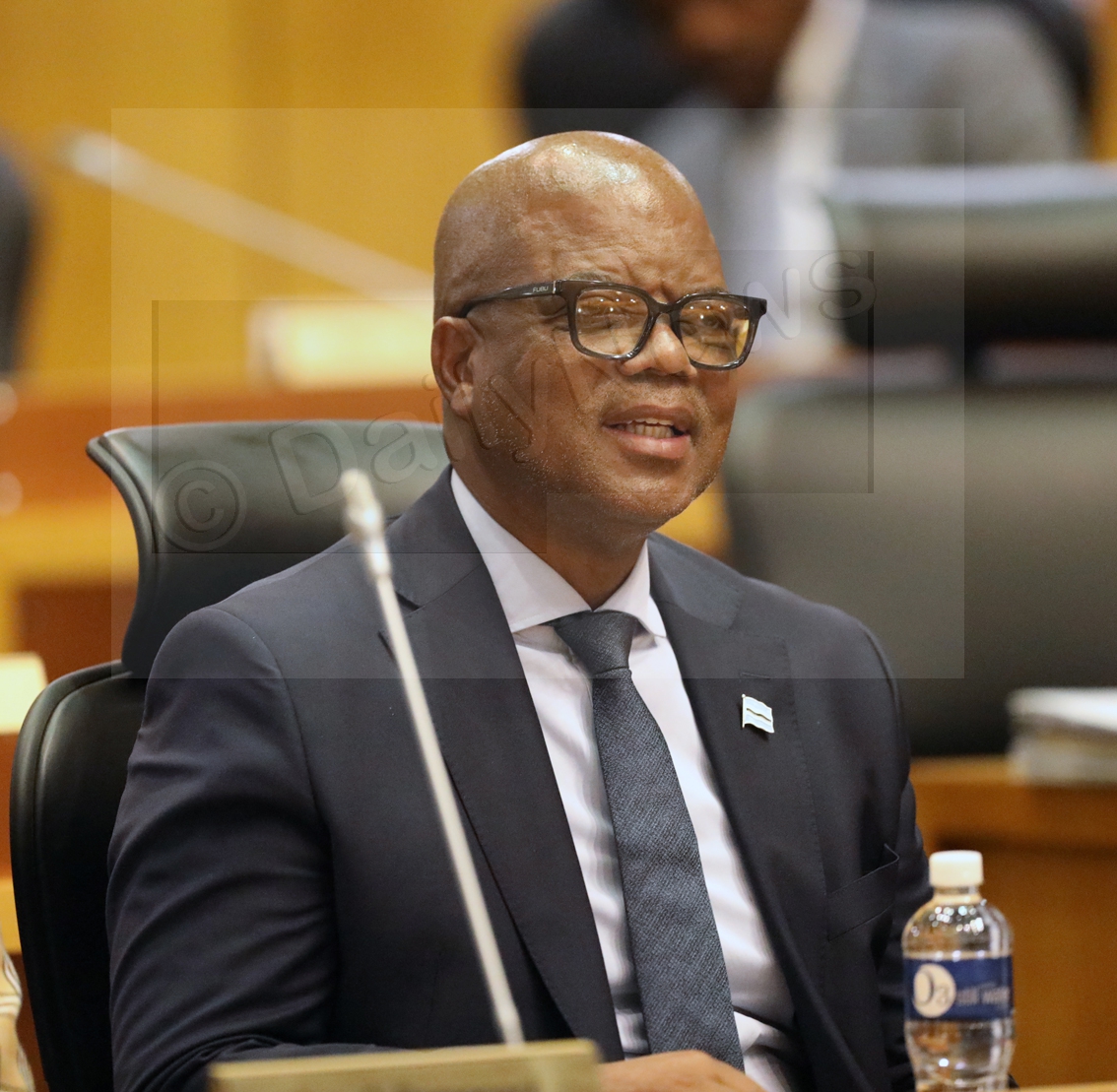
The Minister of Communications and Innovation, Mr David Tshere, explained in Parliament on Wednesday, soliciting support from members to amend and enact a new law, the Radiation Protection Regulatory Authority Bill 2025, aimed at closing existing legal deficiencies and aligning the country with set and agreed international standards.
The minister explained that the current Radiation Protection Act was found to have a number of major deficiencies by the IAEA Peer Review Mission of October 2017.
The review discovered that the law fell short of ensuring safe, secure, and peaceful use of nuclear technology in the country and that the current law generates legal ambiguities that severely reduce the effectiveness in defining legal ability for the control of radiation sources.
He said the review, which was done by IAEA experts, found that the current act provided a dual reporting role for the Director of Radiation Protection Inspectorate, thus impairing the effective independence of the Radiation Protection Inspectorate.
“It as also noted that Inspectorate was established as a government department and the role of the board supervision was unclear.”
The Director was also found to be subject to the Public Service Act as a government employee.
Furthermore, Mr Tshere said the use of sources of ionising radiation and radioactive material in various socio-economic development activities in Botswana was on the increase.
He noted the widespread application of radiation and nuclear technology in health, agriculture, water, industrial, and mining sectors, with medical procedures being the most common source of radiation exposure.
He said there was also potential for exposure in the workplace in industries that use radiation sources and to the public, as well as some customers, if they were not adequately protected.
The minister said with the envisioned uranium mining in the country, there was a need for robust regulatory control for the safe use of nuclear technology for development to comply with international requirements in relation to non-proliferation of the nuclear weapons regime.
He said potential exposure to radiation sources was driven by global economic, technological, social, and environmental factors and the consequential increase in awareness and cognition of the beneficial role of nuclear technology in socio-economic development.
However, the requisite knowledge, expertise, competence, and supporting regulatory infrastructure were not responsive to the emerging use of nuclear technology.
“The implication of the above is that it is imperative to have in place organised and coherent measures for regulating and controlling the use of nuclear technology to ensure public safety and security without impeding the benefits of the application thereof,” he said.
Thus, Mr Tshere said there was a pressing need to develop and strengthen the current national legal framework and continuously improve regulatory performance to ensure compliance with redesigned international conventions and safety standards and codes, hence the bill before Parliament.
He further noted that the model for the envisaged law was provided by the IAEA, noting that the bill’s objective was to repeal and reenact the radiation protection body, which would be an autonomous body called the Radiation Protection Regulatory Authority (RPRA).The bill also ensures that the country meets its obligations under the relevant international instruments.
Okavango West MP, Mr Kenny Kapinga, supported the Bill, but noted that the person who led the regulatory body should have the requisite skills and experience.
Also, he called for continuous development of staff, adding that organisations such as IAEA had programmes to assist countries to up-skill their employees, in order to comply with treaty obligations.
He said the country was required to report on radiation and security, but could adequately do so if it had people with the right skills and expertise.
Also, MP Kapinga noted that the discovery of uranium in the country placed it under a heavy obligation to ensure that the mineral lands only in safe hands.
Letlhakeng MP, Brigadier Domcaza Mokgwathi also supported the Bill, noting that the country had an obligation to abide by international treaties.
He said nuclear technology was important for the development of the country and could produce green energy.
Mr Mokgwathi stressed the need for adequate and safe infrastructure to house nuclear technology, and further noting that even the equipment to be used in uranium mining should be of internationally accepted standards to protect its users.
Nkange MP, Mr Motlhaleemang Moalosi, expressed reservation about the independence of the board as outlined by the IAEA, saying it was compromised.
For instance, he said the minister, as per the Bill, appointed nine members of the board as well as the chairperson, which he said compromised independence.
Adding that although he agreed with the Bill, he was of the view that more could be done to ensure the Board was fully independent.
Gabane -Mmankgodi MP, Mr Kagiso Mmusi, suggested that the Chemical Biological Nuclear and Radiological Weapons Management Authority should have been enhanced rather than coming up with a new board.
MP Mmusi supported the bill and called for enhancement on dealing with response to nuclear technology emergencies as well as charges associated with unsafely exposing the public.
As for uranium mining, he said such was an important resource for the country and government should spearhead efforts for its optimal benefits to the country to create jobs and products for the export market. ENDS
Source : BOPA
Author : Bonang Masolotate
Location : Gaborone
Event : Parliament
Date : 18 Dec 2025
Related News



25 Aug 2026
Forensic audit generates 90 priority actions
25 Aug 2026