



LIMID beneficiaries increase in numbers
08 Nov 2017
The total number of the Livestock Management and Infrastructure Development (LIMID) beneficiaries has increased, reaching 34 653 by July 2017, since its inception, President Lt Gen. Dr Seretse Khama Ian Khama, has said.
Delivering the State Of the Nation Address November 6, President Khama said government promoted agriculture through programmes such as the Integrated Support Programme for Arable Agriculture Development (ISPAAD) and LIMID.
In terms of gender, he said 64 per cent of LIMID beneficiaries were women.
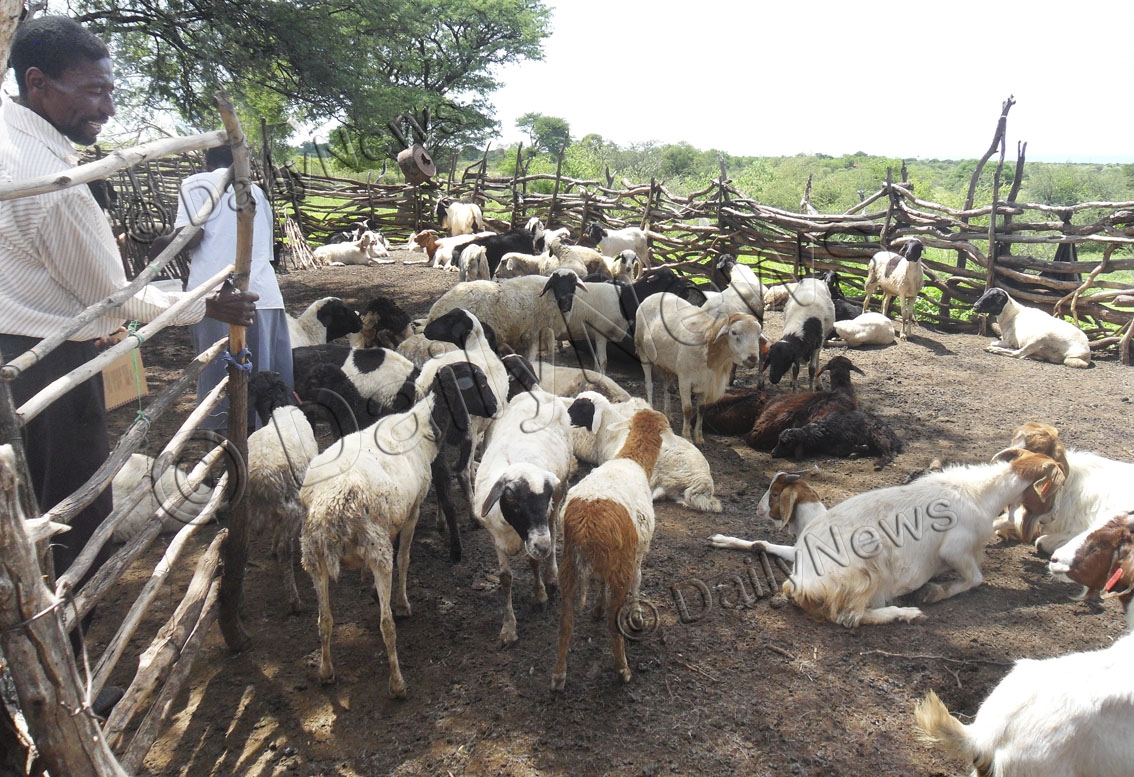
In the livestock sub sector, he said the LIMID programme had been expanded to cover different packages, including small stock, Tswana chickens, guinea fowl, fodder production, water reticulation and development of animal handling facilities, such as loading ramps and kraals.
Due to above average rainfall and the increased adoption of technologies by farmers across all sectors, President Khama said this year, in spite of the negative effects of cyclone Dineo in some areas, the outlook of the agricultural sector remained positive.
“With the return of relatively good rains, there has also been a significant increase in the uptake of the ISPAADD programme, with the number of participating farmers rising to 100,250 farmers in 2016/17, a 34 per cent increase from the previous financial year,” he added.
That, he said was accompanied by a noticeable increase in the total area planted, to 384,250 HA, which is 32 per cent above the previous cropping season.
“There has also been a corresponding improvement in the domestic food security. The harvest of major cereal crops, such as maize, millet and sorghum was estimated at 175,000 metric tonnes in 2016/17, a notable improvement from 2015/16 harvest of 54,000 metric tonnes,” he added.
For areas where rain fed agriculture has proven to be unfeasible, President Khama said in 2014 government introduced the special ISPAAD programme, whose total number of beneficiaries currently stood at 345.
The drive to commercialise and diversify agriculture, through programmes such as the National Master Plan for Arable Agriculture and Dairy Development (NAMPAADD), he said had also resulted in many farmers engaging in commercial agriculture.
“We have also experienced positive developments in response to the effects of climate change, with farmers adopting technologies and conservation measures that include the planting of drought resistant crops,” he added.
However, he said one of the major threats to livestock sector over the years had been the sporadic outbreaks of the Foot and Mouth Disease.
Incidences of the diseases, within the green zone, he said occurred in 2007 in Ngamiland, in 2011 in the North and Central districts and again in 2013 and 2017 in Ngamiland.
“It is pleasing to note that after many decades of absence of the disease in zone 3b, which is in the Nata area, the World Organisation for Animal Health General Assembly in May 2017 approved government’s application for the recognition of the zone as Foot and Mouth Disease free without vaccination,” added President Khama.
Therefore, to retain this status, he said government was embarking on the rehabilitation of the area’s disease control fences and was also in constant contact with Zimbabwean counterparts to develop a joint disease prevention strategy, which would involve regular vaccinations of cattle within Zimbabwe. ENDS
Source : BOPA
Author : BOPA
Location : GABORONE
Event : Parliament
Date : 08 Nov 2017
Related News



25 Aug 2026
Forensic audit generates 90 priority actions
25 Aug 2026