


JCM changed conduct of litigation-Dibotelo
02 Aug 2017
The Introduction of Judicial Case Management (JCM) in the high court and magistrate courts fundamentally changed the conduct of litigation in the courts, said Chief Justice Mr Maruping Dibotelo.
Officially opening the Judicial Conference in Palapye on recently, Mr Dibotelo said JCM vested the pace of litigation on judicial officers instead of litigants or legal representatives as had been the case.
Prior to JCM, he said the courts were struggling with a huge backlog of mostly dead and unburied cases such that litigants with hopeless cases had the power to delay or frustrate the progression of cases.
He said this state of affairs undermined public confidence in the judiciary.
Mr Dibotelo further said JCM had from inception steadily and gradually expedited service delivery, resulting in quick and increased case disposal rate.
He said during the period between February and May, 2, 480 civil cases and 419 criminal cases were registered at the three high court divisions in Francistown, Gaborone and Lobatse.
During the same period, he said a total of 2 757 civil cases and 328 criminal cases were completed including cases brought forward translating to 111.2 and 78.3 per cent completion rate respectively in the three high court divisions.
At the magistrates courts, 4 218 civil cases and 2 209 criminal cases were registered during the period between February and May.
In the same period magistrate courts completed 6 993 civil cases and 1 697 criminal cases including cases brought forward translating to 165.7 and 76.8 per cent completion rate respectively. Mr Dibotelo commended judicial officers, stakeholders and staff for a job well done, adding that the disposal rates were ‘very’ impressive.
“We are not to bask in this glory and rest on our laurels as more work still needs to be done,” he said.
Other reforms introduced included the setting up of special stock theft courts, special mobile traffic courts, special maintenance courts and the court dedicated to dealing with corruption cases in response to public concerns about particular offences.
In addition, Mr Dibotelo said new fully operational magistrate courts had been set up at Hukuntsi, Kang, Gumare, Shakawe, Nata, Bobonong and Kasane in an endeavor to make justice easily accessible to the public.
However, he said the major challenge faced by the Administration of Justice was under resourcing of the judiciary, adding “while we appreciate the support the government has extended to the judiciary to ameliorate the situation, much more needs to be done.”
He said equipment such as tents, boots and special clothing needed to be purchased as well as replacement of old vehicles for judges.
Furthermore he said the small claims court proved a highly successful initiative and operated in Francistown and Gaborone. He said the success of the court was evidenced by the high volume of registered cases and the efficient disposal rate.
As a result, he said people came from faraway places to access the small claims court in Francistown and Gaborone. “While we want to roll out the small claims court to other areas around the country, we are constrained by the lack of human and financial resources which in turn cripples the department’s best plans.”
The corruption court, he said continued to be hindered by the fact that corruption cases by their nature tend to have many interlocutory applications often resulting in a painstakingly slow disposal of its cases.
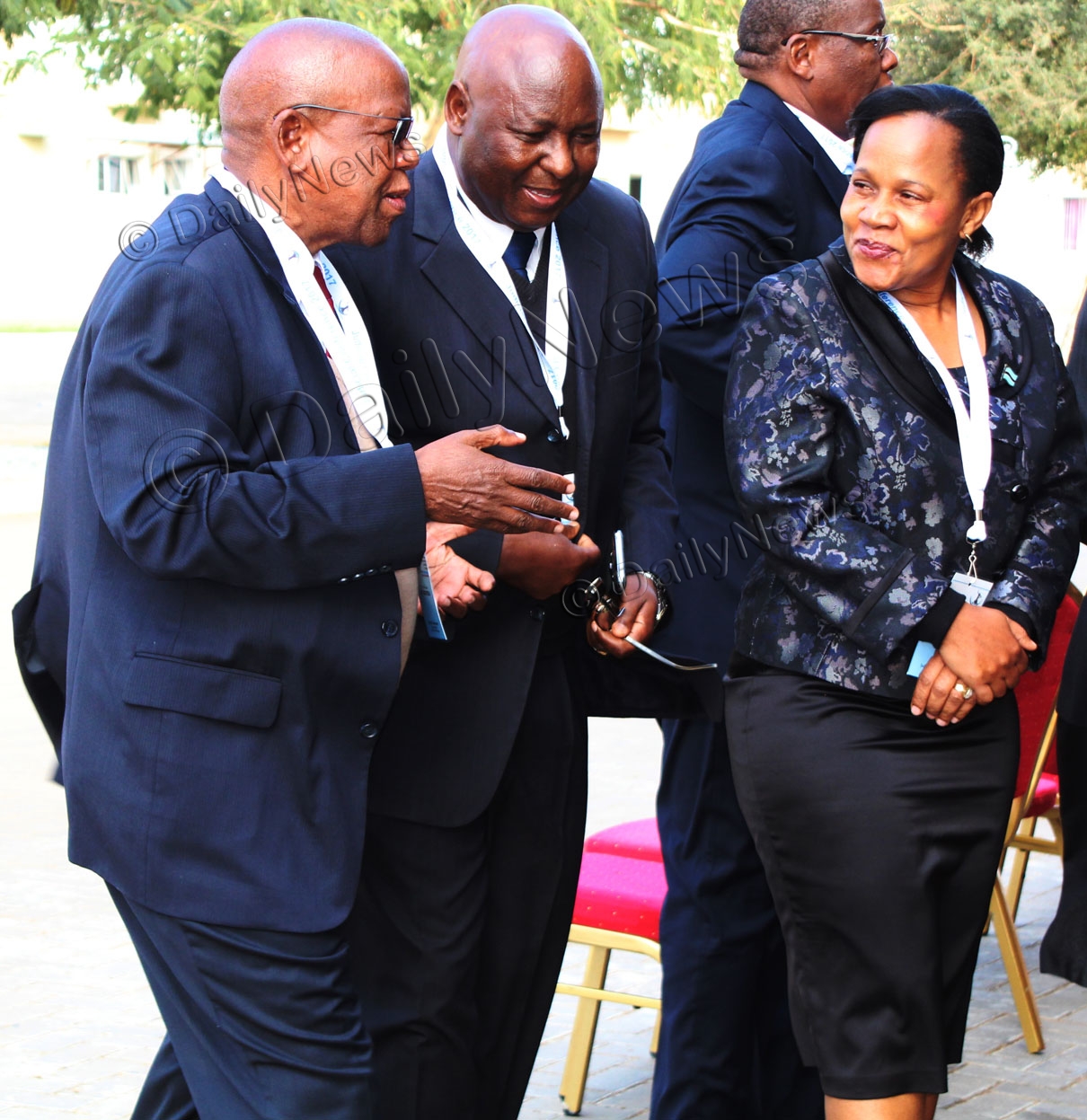
The two day conference was held under the theme, Judicial Reforms 2008 to 2017: Achievements and Challenges. ENDS
Source : BOPA
Author : Kgotsofalang Botsang
Location : PALAPYE
Event : Judicial Conference
Date : 02 Aug 2017
Related News

21 Aug 2026

20 Aug 2026
Botswana Donates FMD Vaccines To Lesotho
20 Aug 2026