


Bogosi remains relevant
19 Mar 2015
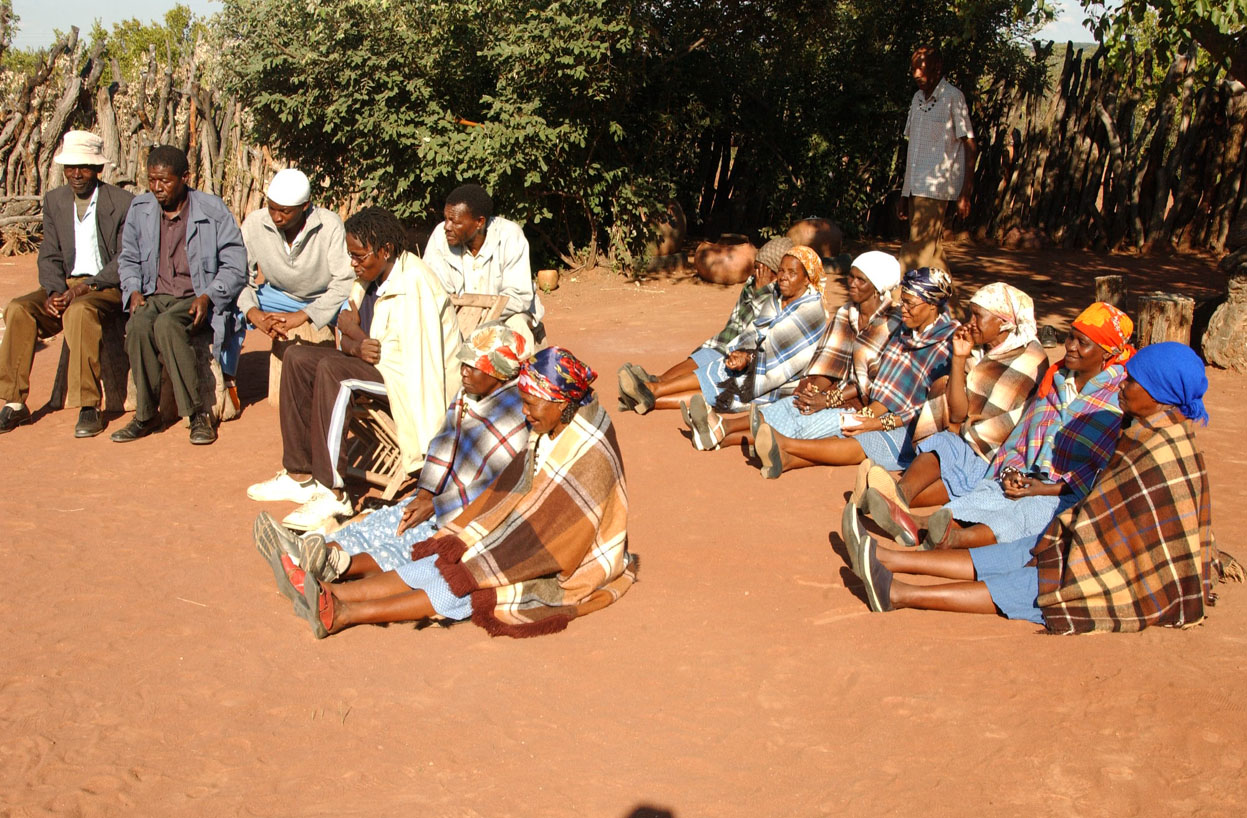
Chieftainship has for quite some time now appeared to be a reverend tradition losing its touch with modern society.
Yet when faced with such challenges, the significance of the traditional system has never faded away from being the pinnacle of national unity. “We live in a global village, we have to come up with ways which will make us more relevant today,” says Balete paramount chief, Kgosi Mosadi.
This comes against the backdrop of arguments that bogosi has been rendered irrelevant because the institution has lost its original value and foundation. However, the Balete royal is adamant that chieftainship has managed to evolve to weather the storm of post-independence challenges.
“I always tell those who believe dikgosi have no powers that all is not lost, there are things which we can do to get involved,” reckons Kgosi Mosadi.
She believes that modern society is more challenging due to issues such as youth unemployment, women empowerment and HIV/AIDS but dikgosi still wield power and influence especially when such challenges eats away at society’s moral fibre.
“Take education for instance, we can get involved with students by addressing them, this also makes bogosi accessible to them,” she says. According to Kgosi Mosadi, they as dikgosi exist to promote the welfare of their communities and restore order hence they will never be irrelevant.
“People have realised that bogosi is not about the administration of corporal punishment,” she adds. Besides, she notes that in Gamalete area, they have revived traditional initiation schools to restore the tribe’s identity and culture in that Balete now pride in their culture.
The regiments help in addressing social ills especially among youth as well as teaching them to partake in tribal activities. All this will ultimately break the youth’s negative perception about chieftainship and culture.
Kgosi Mosadi admitts there are some young people who have not yet grasped the value of the chieftainship hence the need for them to be educated. “Most of our people believe that they are free, there is nothing forcing them to attend kgotla meetings and other social gathering,” she notes.
Further, Kgosi Mosadi says traditional leaders are an integral part in fostering social cohesion through administration of customary law. This has been handy especially in instances where parenting has been found to be wanting.
Amid such, bogosi has had its share of challenges. For instance when dikgosi still had much influence, it was unheard of for an alien to settle in any chief’s area of jurisdiction without first seeking permission. According to Bogosi Act, people have to seek permission from dikgosi when they want to settle in their area of jurisdiction but that is not the case.
Kgosi Mosadi says people who have settled in her area of jurisdiction did so given the area’s proximity to the capital city and not because they had special interests in the area.
“Tota kwano ba batla boroko fela,” meaning they just want accommodation and nothing else hence such people do not take part in community activities such as attending kgotla meetings and other social gatherings, she says.
Another challenge for the institution, according to Kgosi Mosadi, is that of some political leaders who have little respect for dikgosi. This, she points out, is regrettable as the two are supposed to work in harmony for the promotion of social values and drive for developments.
“Our democracy owes its being to the traditional kgotla system, where people are allowed to freely air their views, “she reckons.
Nonetheless, the Balete royal believes it is important that dikgosi are empowered so that they are able to withstand the challenges brought about by modernity, adding that it is important that bogosi evolves with society. ENDS
Source : BOPA
Author : Bonang Masolotate
Location : RAMOTSWA
Event : Interview
Date : 19 Mar 2015
Related News
16 Jun 2026
First Lady courts Bahumagadi for support Mpepu
15 Jun 2026