


New project to address Ngamiland farming challenges
16 Mar 2015
A project aimed at addressing farming challenges for better livelihoods in Ngamiland is certain as government has no plans to convert agricultural land into ecotourism land as some people in the area have assumed.
Dubbed Mainstreaming Sustainable Land Management (SLM) into Ngamiland Productive Landscapes for Improved Livelihoods, the implementation of the project will no doubt dispel perceptions that government was deliberately failing to address issues faced by the local communities because it wanted to replace agricultural land with ecotourism and also eradicate cattle in the district.
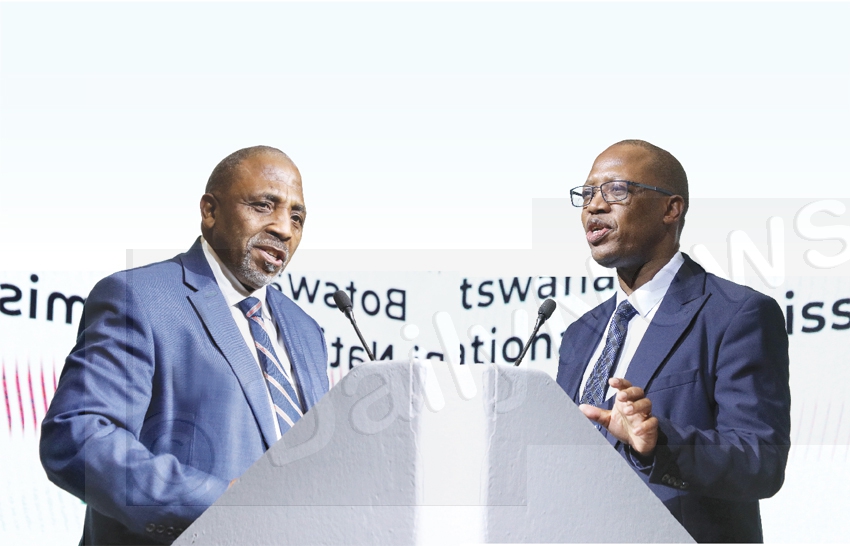
Briefing the media, the project manager, Mr Tiego Mpho said media practitioners were key players to dispel such perceptions and allayed fears amongst the communities as the project was proof that government was eager to address burning issues regarding farming in the district.
SLM was a five-year projected funded by United Nation Development Programme (UNDP, and its objective is to address challenges in Ngamiland district’s productive landscapes for improved livelihoods.
Mr Mpho said if the project was properly implemented, the communities would benefit as the rangeland resources in the area would be rehabilitated, adding that the project integrated land, water, biodiversity, and environmental management to sustain ecosystem services and meet society’s livelihoods and economic needs.
He said the project had two components and the first component promotes effective range management in over one million hectares which improves range condition and flow to ecosystem services to support livelihoods of local communities in Ngamiland.
The second components focuses on effective resource governance frameworks and markets provide incentives for livestock off-take and compliance with SLM.
He said the project would be piloted in three areas being Tsodilo Hills Enclave, Lake Ngami and Hainaveldt farms. Tsodilo Hills Enclave was identified due to a high number of veld fires on yearly basis and the project would focus on reducing fire incidents.
“We will work with the affected communities to identify the gaps and come up with some intervention to prevent veld fires,” he added.
Lake Ngami was identified for its fishing activities and the project manager revealed that they intended to work with Sehithwa Conservation Trust to see how best they could come up with sustainable interventions to promote the fishing industry.
At Hainaveldt farms, the project would improve management of livestock; the creation of an enabling environment for responsive policies and practice and facilitate increased benefits from land-use to communities.
Mr Desmond Serero from the department of Forestry and Range Resources said consultations with different stakeholders were on-going, adding that it was very important to promote ownership of the project amongst the affected communities to ensure smooth implementation and working relationship.
Mr Serero appealed to the media houses to assist in disseminating information about the project and to spell misconception that it would impact negatively on the livelihoods of the communities. ENDS
Source : BOPA
Author : Esther Mmolai
Location : MAUN
Event : Media briefing
Date : 16 Mar 2015
Related News
16 Jun 2026
First Lady courts Bahumagadi for support Mpepu

15 Jun 2026