


Vision 2016 council grapples with resource shortage
11 Mar 2015
The Vision 2016 coordinator, Dr Charity Kruger, has cited resource constraints as a major challenge hindering the council from meeting its targets.
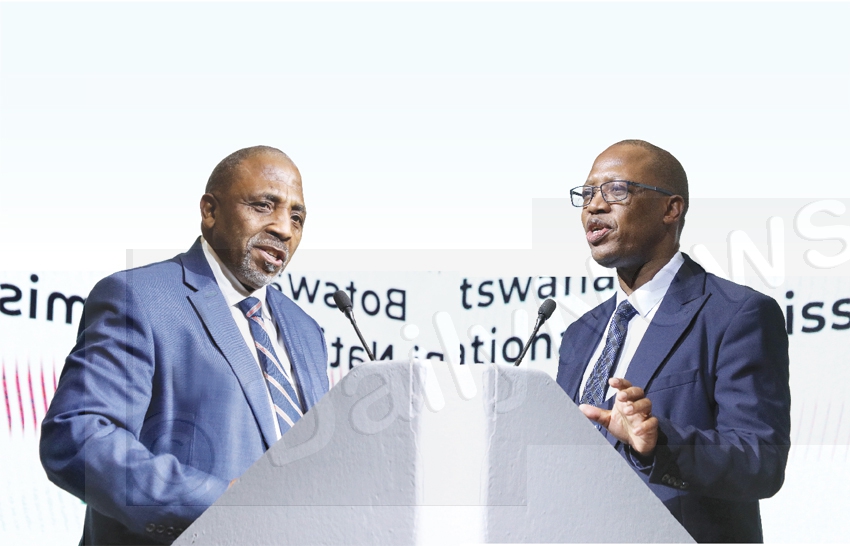
Presenting the evaluation of Botswana Vision 2016 report on March 9, she stated that the findings were not comprehensive due to limited resources and suggested a comprehensive report in future to draw up lessons. Dr Kruger said going forward, there was need to carry out studies on resource allocation to avoid misalignment of resources on projects.
However, she said findings had shown that youth were left out of the vision stressing that there was need to engage them more post 2016 to steer the country forward. The coordinator highlighted that some political parties also felt left out from the vision as they complained that the ruling party was more involved more than other parties.
The report, she said also observed that there was need to empower all key stakeholders including civil society, private sector, professional organisations and local authorities in the delivery of Vision 2016 pillars. Nevertheless, she said the vision has provided an overarching programme of action and framework for development interventions and resource mobilisation from government, citizens, private sector and development partners.
“Vision 2016 has been effective as a guiding framework for successive National Development Plans in Botswana.” Giving an economic review of the vision, Dr Monnane Monnane said Batswana need not to lose focus post 2016.
He said some of the Vision 2016 targets were unrealistic citing the GDP growth which was expected to have grown by eight per cent, saying it was over ambitious considering the fact that Botswana is a developing country depending on the production of diamonds.
Therefore he said post 2016 research should be conducted so as to come up with reasonable and achievable targets that would be aligned with other bigger economies whom Botswana depend on. He further stated that Botswana was experiencing land bottlenecks which had made the acquisition of land a challenge resulting in price escalation of plots and rent hindering Batswana to own land.
Discussing the social and political issues, Dr Onalenna Selolwane said youth engage in crime because they lack survival skills and education capacity. She noted that it was time Batswana are given opportunities to do consulting jobs in their own country because they know their country best which could make things easier when they manoeuver around the country conducting research.
Dr Selolwane said more than 70 percent of Batswana have had access to secondary education, a clear indications that there was potential for retooling and up skilling. She said Botswana has a high coverage of technology and should take advantage of that and reach out to people and up skill. ENDS
Source : BOPA
Author : BOPA
Location : Gaborone
Event : Evaluation of report
Date : 11 Mar 2015
Related News
16 Jun 2026
First Lady courts Bahumagadi for support Mpepu
15 Jun 2026