


Francistown mourns dying Tati River
09 Jan 2015
From as far as human memory can recall, rivers have always played an important role in human life and were a source of water for drinking, fishing and other agricultural activities.
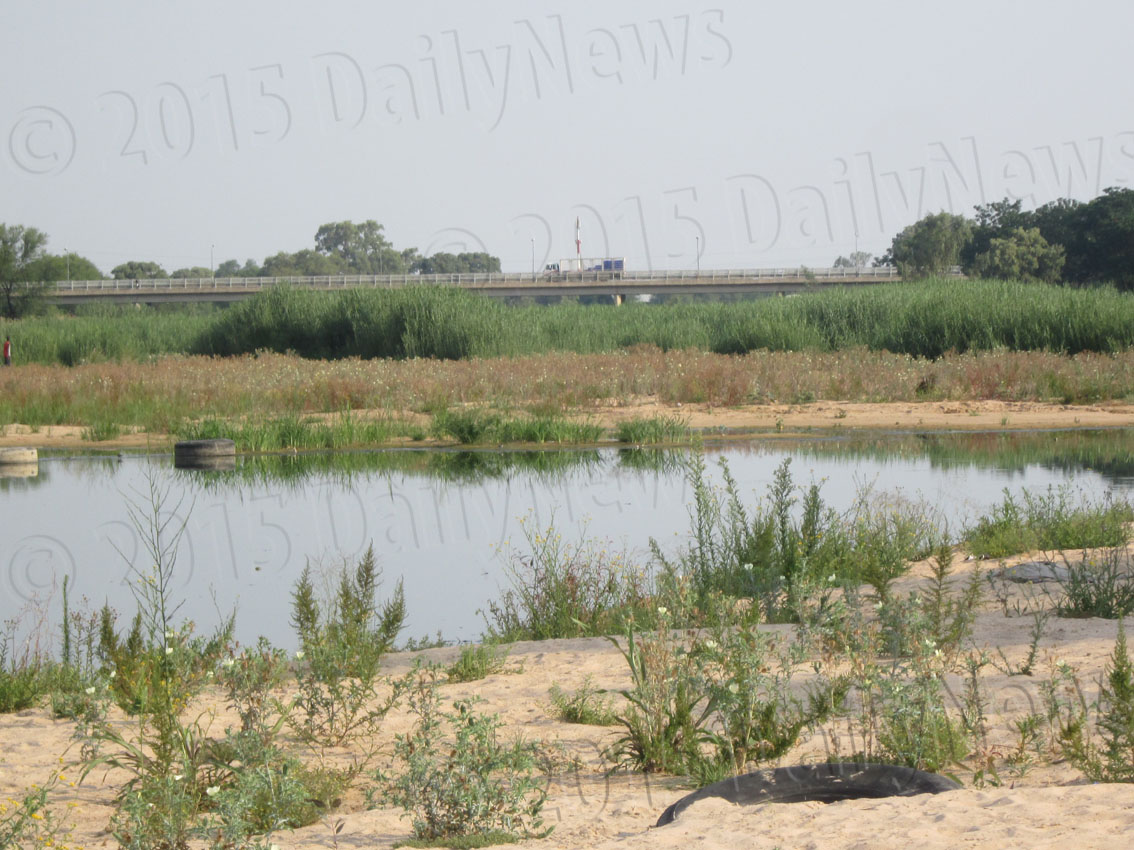
Tati River, which runs along the locations of Area S and Bluetown in Francistown played a meaningful role in the lives of people who settled in those locations and other surrounding areas.
Listening to the people who grew up around that area in the 1950s, as they narrate how they depended on Tati River, one can tell indeed the river was useful to their lives.
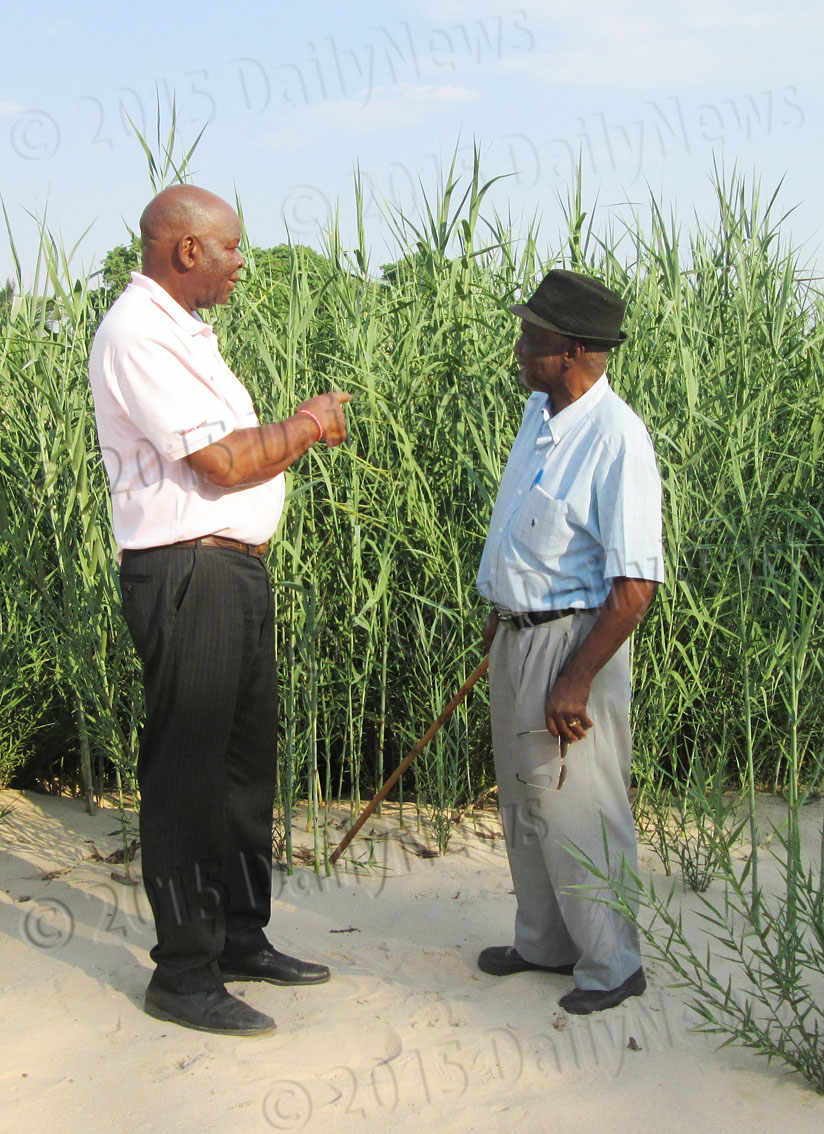
In an interview , 80-year- old Mr James Mahule, who grew up in Bluetown location said before the second city developed, they depended on the river for a lot of things. He said as they grew up, they used to sneak out for swimming and fishing.
“Tati River was one of the natural water resources we depended on for fishing, drinking and other activities,” he said. Mr Mahule narrates that it was rare for the river to dry up and people never experienced any shortage of water. He said some relocated from their place to settle near the river so as to make use of it.
As he continued narrating his story, suddenly his mood sunk and he could not hide his sadness. “It is so sad because the river that we are talking about looks desolate. It is now dead like it never existed and marine life such as fish and frogs have disappeared. Only isolated patches of muddy pebbles and some vegetation can be seen in the river,” he said.
The cause of the river’s predicament according to Mr Mahule was that as more developments came along, people started to use the river for wrong purposes. He said some developed the tendency to dump rubbish and refuse in the river and this negatively affected the river.
Another elder, a 64-year-old Mr Richard Makhwinja also recalled how they used to play around the river and like Mr Mahule, he lamented that the river that used to provide for them was clearly dead. Mr Makhwinja said the river could no longer hold water for a long time, adding that whenever it was flooded, the water was quickly swept away.
He also said some issues contributing to this were that some people who mine the sand from the river target one spot and they completely remove the sand from that area until they got into contact with hard ground.
He said as the river flowed, there was nothing to hold the water, but instead the soil turned into muddy pebbles and only block the flow. Mr Makhwinja further said as the muddy pebbles later dry and break into fine particles of soil, they eventually attract the growth of vegetation. ENDS
Source : BOPA
Author : Chendzimu Manyepedza
Location : FRANCISTOWN
Event : Interview
Date : 09 Jan 2015
Related News



06 May 2026
Countries forge diplomatic relations

06 May 2026
Botswana responds to Polio threat

06 May 2026
Kanye Brigade attracts more students
06 May 2026