

Lepashe remains optimistic
11 Sep 2014
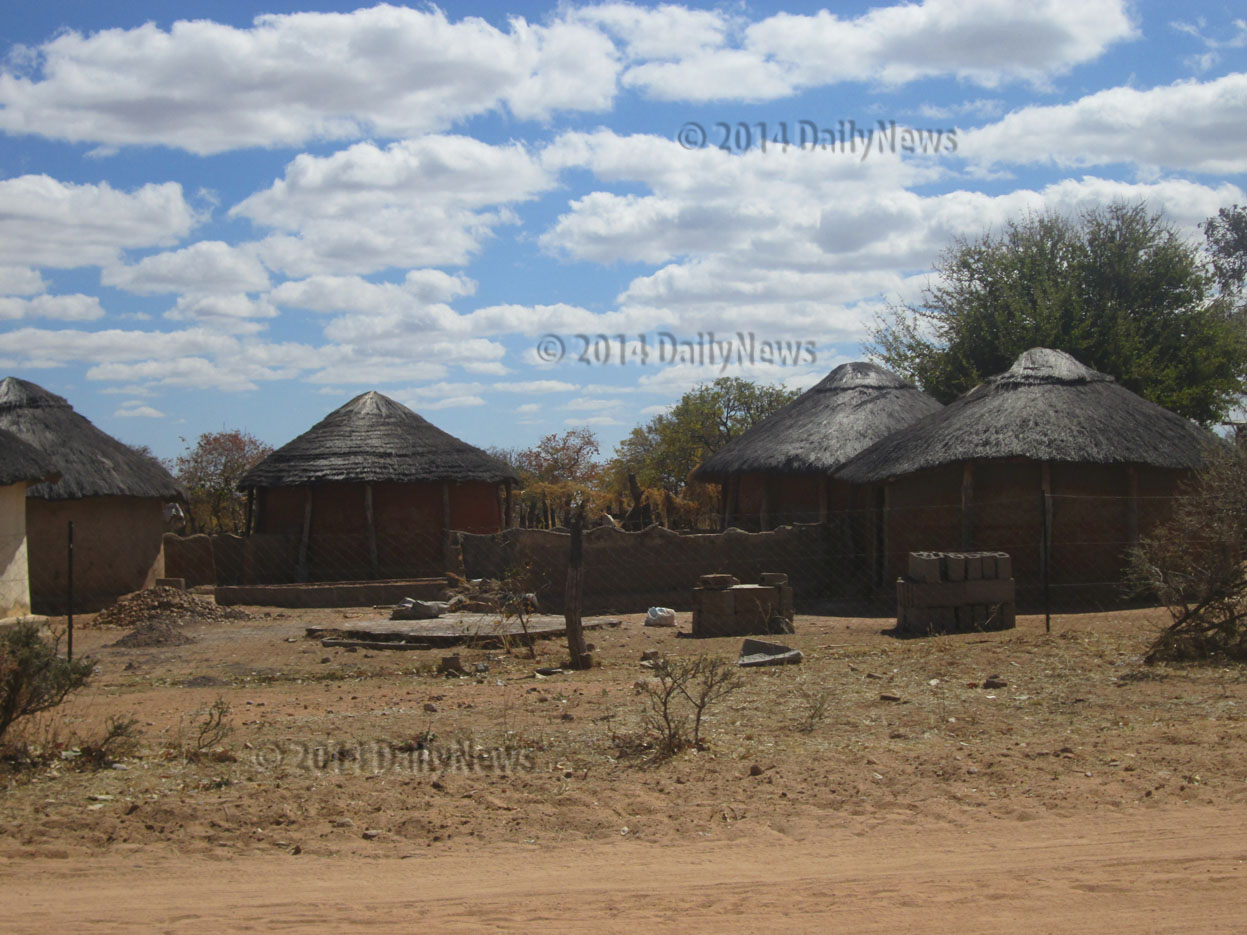
Lepashe lies some 75 kilometres south west of Tutume, between Mosetse and Matsitama, and it is a typical remote settlement that is home to about 1 000 people.
Although the small village is also home to a number of ethnic groups - mostly Basarwa - the ethnic groups relate well to each other and have learnt to accept their cultural differences; as such they work together as a tight-knit community.
That they are culturally united and tolerant is often more evident during times of bereavement or social gatherings such as weddings, which everyone never miss to attend as apparently everyone knows everyone in the village.
Most of the homes are characterized by traditional mud and grass-thatched huts, and a journey to Lepashe is characterized by a bumpy and dusty road along which there is liiterally no public transport except for the long haulage trucks that pass through the village transporting goods to and from the African Copper Mine at Matsitama.
In an interview, the village Kgosi Mmoloki Tshabisa says Lepashe sits where there used to be cattle posts for Bangwato farmers and that it derives its name from the Lepashe River that runs through the village.
The kgosi says the place became a gazetted village in 1984 after pioneer settlers and cattle herders in the area had requested the government to turn it into a permanent settlement for them to enjoy appropriate benefits.
He says they were lucky because, with time the government built a primary school, a health post which was later upgraded to a clinic status, clean water and a kgotla shelter.
“We are gratefully indebted to the government for these developments because, not only have they improved the landscape of the village, they have also significantly contributed to the growth of the village,” he said.
The traditional leader remains optimistic that more developments are on the way and they will create employment opportunities for the villagers and generate economic sustainability and ensure further growth.
“We are patiently waiting for more developments and we are positive that they will eventually come. This area started off as a cattle post with no sign of developments but today, we have a primary school, a clinic and a cellular network connection which makes communication possible,” he adds.
Kgosi Tshabisa also acknowledges government’s poverty eradication initiatives as they continue to improve the lives of the less privileged members of Lepashe community.
Meanwhile, the kgosi is concerned about the shortage of land for farming, saying arable farming in the area is not up to the mark because of shortage of land; the little land available has to be shared between arable farming and grazing,” he says.
He also notes that transport in the area is very depressing: “Virtually there is no transport going in and out of the village; it is a very challenging experience unless you have your own car.
“Sometimes we solely depend on the long haulage trucks transporting goods to and from African Copper Mine at Matsitama village,” he says. Despite all the challenges, Kgosi Tshabisa believes that, as the development clock ticks, more developments will come bringing along employment opportunities for the residents. Ends
Source : BOPA
Author : Chendzimu Manyepedza
Location : TUTUME
Event : Interview
Date : 11 Sep 2014
Related News
03 Jun 2026
03 Jun 2026
Hunyepa engages Tati West schools on challenges

03 Jun 2026
Kgatleng Ramps up Preparedness For Ebola
03 Jun 2026
Boko Praises Belgium Ties

03 Jun 2026