


First Lady advocates smarter school meals programmes
02 Mar 2026
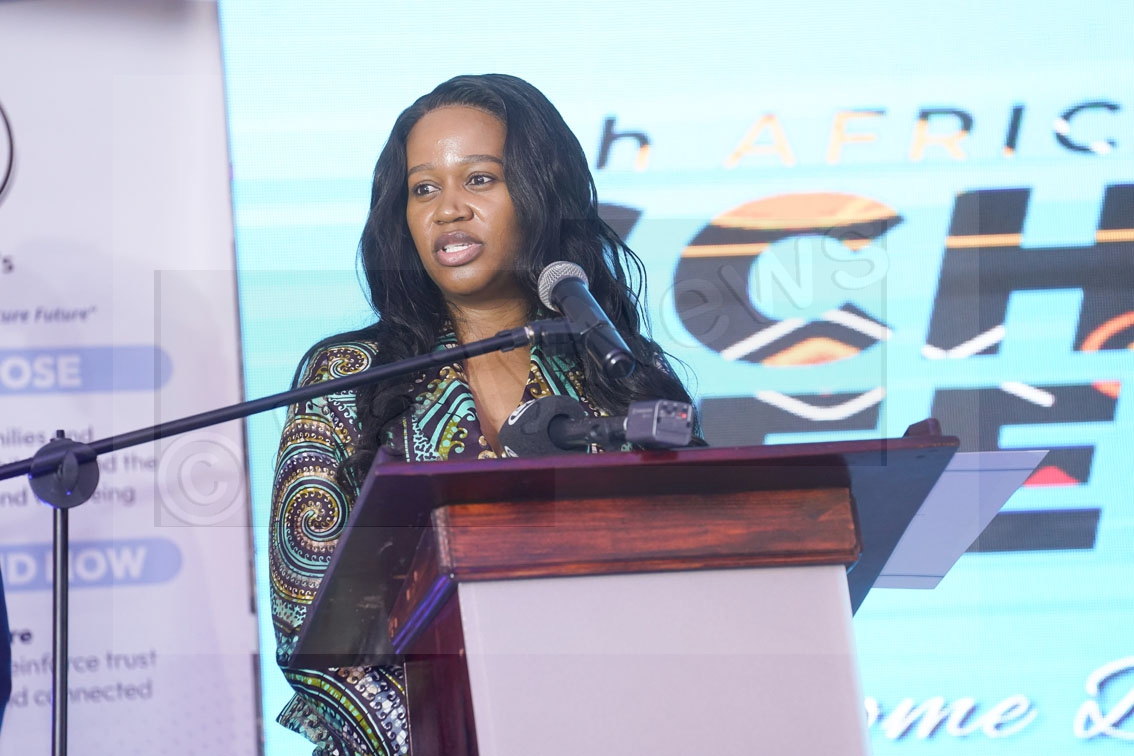
The first Lady Ms Kaone Boko has called for a shift from blanket school feeding policies to community-driven, evidence-based interventions, saying Africa must ensure that “no child ever learns on an empty stomach.”
Speaking at the 11th Africa Day of School Feeding gala dinner held Saturday in Tlokweng, ahead of the official opening of the conference, Ms Boko said school feeding programmes had evolved beyond welfare interventions into “ecosystems of hope” that linked agriculture, health and education.
“When we feed a child, we don’t just nourish the body, we nourish a huge possibility. Across Africa, school feeding programmes have turned classrooms into spaces of hope. They improve attendance, they bridge the gap between the vulnerable and the well-resourced home,” said Ms Boko.
She acknowledged that in the past, government adopted a top-down approach in determining school menus, often without consulting communities.
“We would make a blanket assumption and say, this is what we are going to feed the rest of the children across the country. What we did is to forget that some people don’t even know the food we are giving them. Through research we found that they don’t eat it and they don’t know how to cook it,” she said.
Ms Boko said that consultations with communities, particularly in Ghanzi District, revealed a desire for participation in designing feeding programmes.
“When parents participate, when we involve children and local producers, the programme becomes a movement. Each district should produce for its own children. That way, we ensure culturally appropriate foods that communities know and enjoy,” she said.
Ms Boko said the initiative, which started in Ghanzi, would expand to other districts, with a focus on nutritious meals, clean water and hygiene under this year’s theme: Ensuring Access to Nutritious Meals, Clean Water and Hygiene: Promoting Safety and Resilience in Every School Meal Investment.
“As a mother, when you feed your child, you ensure the food is nutritious, their hands are clean and the environment is safe,” she said, adding that investing in child nutrition was investing in Africa’s stability and prosperity.
Presenting research on malnutrition among San indigenous communities, Dr Tebogo Leepile-Donald said her PhD study sought to close critical data gaps on household food insecurity, anemia and undernutrition.Her findings revealed that 42 per cent of children in the surveyed communities were anemic, while nearly 70 per cent were stunted.
Among women, 40 per cent were underweight, and 26 per cent of pregnant women were anemic.
Dr Leepile-Donald said 70 per cent of households in the study area survived on less than US$1.75 a month, with low dietary diversity and limited access to sanitation facilities compounding malnutrition.
She said communities had called for greater consultation and incorporation of indigenous knowledge in policy design.
“We cannot programme for people without specific information about their day-to-day experiences,” she said, adding that translating research into policy action was critical.
Ministry of Child Welfare and Basic Education, permanent secretary, Ms Mmamiki Kamanakao, said government was implementing integrated early childhood development interventions in partnership with the Office of the First Lady.
She announced plans to construct a satellite school in the Central Kalahari Game Reserve (CKGR) up to Standard Four, to allow children to remain with their families during their early schooling years.
Further, she said government was also reviewing training programmes to incorporate mother tongue instruction in indigenous communities.
“We are increasing food rations in clinics and early childhood centres in indigenous areas, to ensure children benefit from nutritious meals,” she said.
The National Children’s Consultative Forum of Botswana, president, Mr Tumelo Matinkeja, urged governments to include children in decisions that affected them.“School meals cannot be complete without clean water and proper hygiene,” he said, calling for nutritionally sensitive menus.Echoing the sentiment, SADC Child Forum, president, Ms Aumake Aaron, said school feeding programmes were integral to academic performance.
“A school feeding programme is more than just feeding. Children focus better and perform academically when they are well fed,” she said, advocating for meals to be served immediately upon arrival at school and to include salads and fruit.
The Africa Day of School Feeding is about continental unity and shared responsibility. ENDS
Source : BOPA
Author : Lindi Morwaeng
Location : Tlokweng
Event : Africa Day of School Feeding
Date : 02 Mar 2026
Related News


10 Oct 2026
Feature Reliving the Long March 90 years on


09 Oct 2026