


Exhumation of remains worries residents
09 Jun 2025
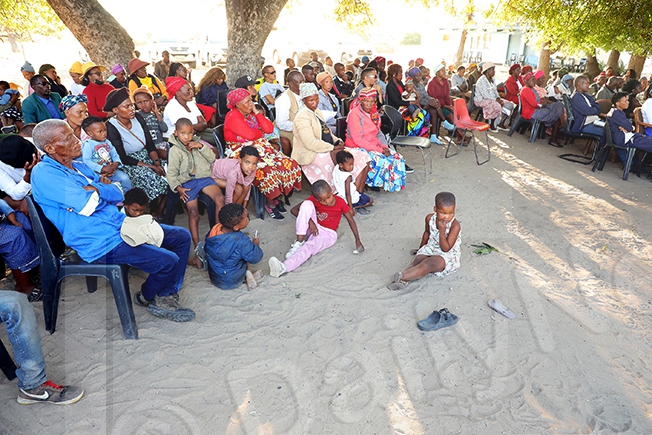
Residents of Tsodilo have expressed concern about the exhumation and display of the remains of their forefathers at a small museum at the entrance of Tsodilo Hills.
The exhumation of the remains, they told the Inter–Ministerial Committee assessing the life situation of Basarwa, undermined their cultural heritage. Expressing their support of tourism, the residents however argued that the hills which were their sacred land of the origin should be protected. They aired their views during the consultation meeting held on Saturday at Tsodilo, expressing concern that archaeologists were often seen at the hills exhuming some remains, something which did not sit well with them.
Residents said their forefathers’ graves were all over the hills and there had been a lot of developments undertaken by the government to promote tourism activities. Tsodilo Hills are a UNSECO World Heritage site due to their immense cultural and spiritual significance. The hills have become a popular tourist destination and residents were of the view that the developments had changed the landscape and their lifestyle.
Residents were relocated from their place of origin for preservation of the site’s cultural and historical significance, tourism development as well as the need for a more sustainable livelihood. They blamed the government for side-lining them when decisions were made with regard to their relocation saying the area they occupied lacked other services citing lack of access to quality health services.
“Currently our forefathers’ remains have been displayed at the museum even the rock paintings. We want to maintain the land as it is and make some developments that will not erode our cultural practices, rituals and beliefs,” said Mr Nxao Xhao.
As the custodian of the resource, he said government should allow them to preserve the graves of their forefathers and also develop the area for the benefit of the community. Furthermore, he said the government should embark on benchmarking mission in the neighbouring countries such as Namibia and South Africa where the indigenous people’s rights were highly respected and recognised. He said the communities enjoyed all basic rights and living a dignified life as compared to those residing in Botswana whom he said were discriminated.
Narrating the history, an elderly, Mr Xontae Xhao said Tsodilo area was made up of four hills being; the male, the female, the child and the grandchild hills.
“Some of us were born and bred at the hills relying much on natural resources for survival. We are nomadic people as others perceive us but we used to move from place to place to ensure natural resources especially wildlife species were conserved not abandoning our area of origin,” Mr Xhao said.
He explained that they were relocated by government for conservation of the hills and named them Tsodilo while they were commonly known as ‘Qoanlloro’ in their language. The government, he said took advantage of their humbleness to deny them access of land right citing that there was no consultation during relocation exercise.
Ms Tsitsana Xixae called for construction of schools within Basarwa community so that their children could access education services closer to their parents.
“Traditionally, we are not supposed to be separated with our children hence many of the children are abandoning school while others are under performing because they lack parental guidance and support,” said Ms Nxing Xhao, sharing same sentiments that construction of schools within their areas would be ideal. ENDS
Source : BOPA
Author : Esther Mmolai
Location : Tsodilo
Event : Consultative meeting
Date : 09 Jun 2025
Related News


14 Oct 2026
Mophuting pays tribute to Masire
14 Oct 2026