


Monitoring system on tourism impact needed - official
26 May 2025
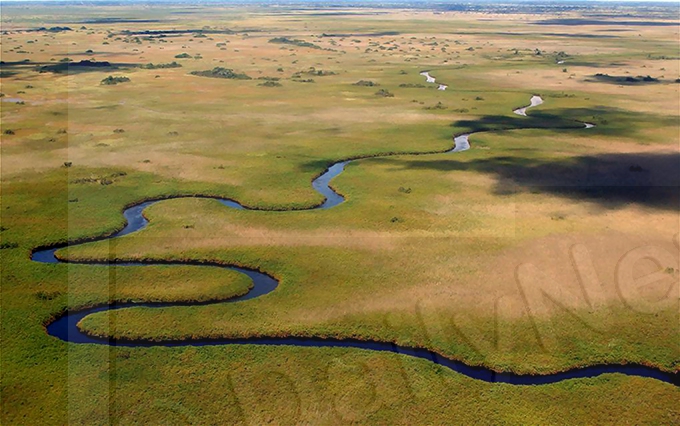
Wetland ecologist at Okavango Research Institute, Professor Mike Murray-Hudson has underscored the need to have an integrated monitoring system that will inform stakeholders about the potential effects of the tourism sector on the environment.
The current approach, he said was uncoordinated, and the growth of the sector to a larger extent driven by the private sector or regulatory agencies, which were under-resourced. He made the remarks when presenting on Tourism Development versus Biological Diversity during the International Biodiversity Day held in Maun recently. Prof. Murray-Hudson said it was important to promote sustainable tourism practices that minimised environmental damage and maximised benefits for local communities.
“It is unfortunate as in the drive to secure a larger Gross Domestic Product (GDP), pressure to expand is being put on the tourism resource without the vital information about the long-term sustainability of tourism activities, and without the resources to effectively manage the activities. The plans, which are supposed to be ensuring minimal environmental damage are not well integrated into the overall planning for the Okavango Delta, the Wildlife Management Areas (WMAs) and the country,” he added.
Prof. Murray-Hudson said the plans did not address appropriate issues saying people had little information on how different activities involved in ensuring the economic flow affected the resource. Furthermore, he said the tourism policy had been based on a low-volume, high-cost approach, which served the community well.
“The flip-side of the low-volume high-cost approach has been that we have been able to get away with almost zero interventionist management. We have not tried to identify, let alone measure, the impacts of this apparently non-consumptive industry, and the low-volume high-cost approach should have given us the opportunity to fine tune our ideas about tourist carrying-capacity and what amount of change we are prepared to accept. We have lost an invaluable opportunity here, and should not entertain the idea of increased density and intensity of tourism infrastructure until we have such an integrated monitoring system,” he stressed.
The Okavango Delta ecosystem, he said, owed a part of its biological diversity to the fact that plants and animals developed extraordinary ways of compensating for the lack of nutrients in the river water.
“At ORI, we have been involved in research showing that there are bacteria living in the root hairs helping papyrus to get nitrogen (an essential nutrient). There are countless other examples of diverse organisms adapted to making a living in this tough environment. Not much structured thought has been given to assessing the impacts of our industry on its resource base, or on the lives of the people who serve this industry in Botswana,” he said.
However, a new paradigm he said was needed; thus called on stakeholders to be pro-active rather than reactive. Prof. Murray-Hudson reiterated that there was need to rediscover and redefine the national vision for the resource and ensure that that it was owned by all. He also stressed the need to work together as a unit instead of scrabbling over a limited resource and believed that they would all agree on a common goal, which was sustainable development. He further said he would require concerted effort involving all stakeholders from central, local, tribal, the community based organisation (CBOs) representatives, the tourism industry and supporting information services such as the tertiary education institutions.
“The Okavango Delta Management Plan, and the World Heritage Commission both emphasised strongly the need for management which transcends ministerial and sectoral boundaries; we are still not able to do this effectively, in an atmosphere of reactive crisis management despite having qualified experts, support from research and committed technical officers in the regulatory agencies among others,” he added.
Prof. Murray-Hudson appealed to government, CBOs and non-governmental organisations to take a more deliberate, considered, integrated and measured approach to the tourism industry given its contribution to the economy saying they should commit the resources and energy needed to make a world-class example of sustainable development.
“Only when we are moving forward together, in a concerted and careful way, will we be able to conserve our rich biodiversity, and ensure sustainable development,” he said. ENDS
Source : BOPA
Author : Esther Mmolai
Location : Maun
Event : International Biodiversity Day
Date : 26 May 2025
Related News

14 Oct 2026
Mophuting pays tribute to Masire
14 Oct 2026