


Game-proof fence solution to human wildlife conflict
22 May 2025
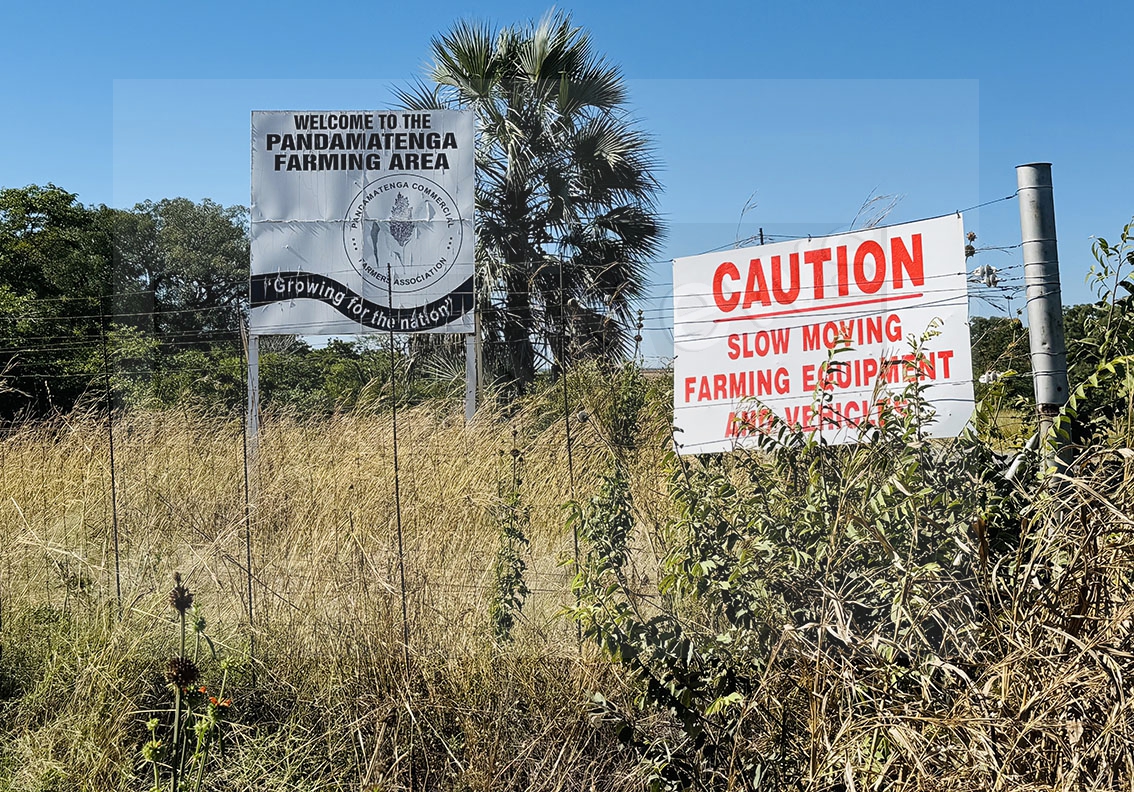
The ongoing Kavango Zambezi Transfontier Conservation Area (KAZA) funded game-proof fence project in Pandamatenga is expected to reduce human-wildlife conflict and promote food security.
KAZA Executive Director Dr Nyambe Nyambe stated that the transformative project was valued at P11.5 million of which 68 percent was funded by KAZA whereas the remaining 32 percent was co-financed by government.
“This transformative project will eradicate human-wildlife conflict in Pandamatenga and also support broader conservation goals by maintaining wildlife corridors while protecting livelihoods.”
Dr Nyambe said human- wildlife conflict cases had skyrocketed in the area with 350 incidents reported in the past three years where 230 hectares of crops were destroyed by wild animals.
He indicated that these damages cost government over P716 000 in compensation paid to farmers.
Dr Nyambe underscored that the project was aligned to KAZA’s mission to sustainably manage resources and apply best conservation models for socio-economic wellbeing of communities in the KAZA region. He pointed out that KAZA region consisted of 19 national parks, 60 forest reserves, and an estimated total number of elephant population at 227 900 with the largest volume in Botswana.
He said the construction of a 22 kilometres solar powered game proof fence had commenced with pre-fence construction works.
Dr Nyambe said the fence protected 242 Pandamatenga small scale farmers, indirectly benefiting 1000 dependents through food supply and employment.
He remarked that Pandamatenga was an epicentre for arable agriculture mostly constituted by commercial farmers who applied modern farming practices supported by robust infrastructure such as animal-proof fence.
Dr Nyambe stated that this project would transform small scale farming frequented by locals as it positioned them to be competitive and expand to commercial farming.
He said Pandamatenga was a transboundary wildlife corridor connecting Chobe, Kazuma Pan and Hwange National Parks in Botswana and Zimbabwe respectively.
Dr Nyambe noted that initial ground preparation and bush clearing by Ministry of Lands and Agriculture was currently ongoing adding that wildlife relocation was expected to begin in October 2025. ENDS
Source : BOPA
Author : Portia Ikgopoleng
Location : Kasane
Event : Interview
Date : 22 May 2025
Related News

14 Oct 2026
Mophuting pays tribute to Masire

14 Oct 2026