


Government on right path to end AIDS by 2030
18 May 2025
Botswana has made significant strides in the attainment of the United Nations Programme on HIV/AIDS (UNAIDS) global targets of 95-95-95, which places the country on the right path to reach epidemic control and end AIDS as a public health threat by the year 2030.
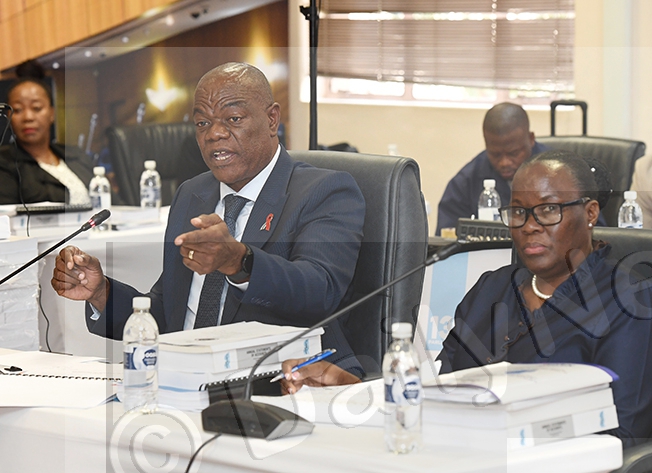
This was said by the National AIDS and Health Promotion Agency (NAHPA) coordinator, Mr Ontiretse Letlhare when giving progress on the country’s HIV/AIDS response for the financial year ending March 31, 2022, before the 61st Public Accounts Committee (PAC) in Gaborone on Friday.
Mr Letlhare said the fifth Botswana AIDS Impact Survey (BIAS V), conducted in 2021 revealed that 95 per cent of the country’s adult population aged between 15 and 64 years, living with HIV, had tested and know their HIV status, 98 per cent of those tested were enrolled on treatment, with 98 per cent of those enrolled on treatment being virally suppressed. Additionally, he said the BIAS V also indicated that great progress had been achieved against some key indicators such as the HIV prevalence among the population aged 15 to 64 years, being at 20.8 per cent, compared to 18.5 per cent in 2013.
“This scenario is attributable to the success of the Antiretroviral programme, which gained traction in 2016 upon the implementation of the Treat All Strategy with the aim of providing treatment to all HIV positive people regardless of their CD4 cell count or clinical stage,” he added.
For that reason, Mr Letlhare said the achievement placed the country on the right path to reach epidemic control and end AIDS as a public health threat by the year 2030, which would be realised through zero new infections, zero AIDS related deaths and zero stigma and discrimination. He explained that the UNAIDS Global Targets of 95-95-95, impressed upon countries to ensure that by the year 2025 at least 95 per cent of people living with HIV should had tested and know their HIV positive status, 95 per cent of those that had tested and know their status should be on treatment and 95 per cent of those on treatment should be virally suppressed.
“It is very important to emphasise on the need for suppression, because without suppression the chance of transmitting the virus to a non-infected person becomes minimised,” he added.
The national HIV prevalence among the young population aged 15 to 24 years, he said had also showed a drop to 3.4 per cent, compared to 7.9 per cent in 2013, whilst for adults aged 25 to 64 years is 27.1 per cent, which indicated that the HIV positive population in the country was aging.
“By aging we basically mean that we are able, as a country, to keep HIV positive people who are on treatment alive for a long time,” Mr Letlhare explained.
One key factor, which continues to yield positive results in the country’s response, he said was the multi-sectoral approach adopted for the fight against HIV and the associated partnerships. Mr Letlhare said the agency had solid partnerships with several national and international organisations that implemented HIV and Non-Communicable Diseases (NCDs) programmes as well as providing technical and financial support to the country’s overall efforts.
Nationally, he said the response was driven through the support of civil society organisations, which were engaged annually through the Social Contracting Model, revealing that NAHPA partnered with a total of 115 local civil society organisations to implement HIV and NCDs interventions across the country, during the year under review of 2021/2022. Other partnerships included those of international organisations such as the Global Fund, the United States President’s Emergency Plan for AIDS Relief, the United Nations Family Organisations, as well as the Southern African Development Community. ENDS
Source : BOPA
Author : Lorato Gaofise
Location : Gaborone
Event : Public Accounts Committee briefing
Date : 18 May 2025
Related News



14 Oct 2026
Mophuting pays tribute to Masire

14 Oct 2026