


Poultry enhances food security
11 May 2025
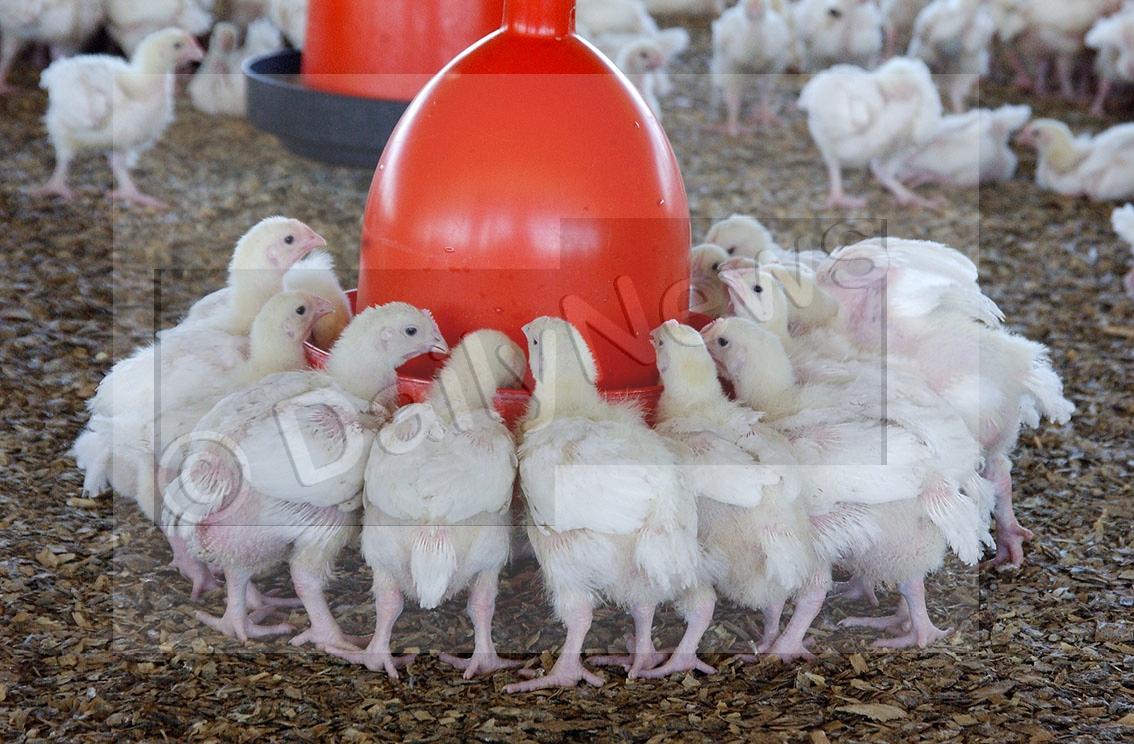
The poultry industry in Botswana, producing approximately 20 million dozen eggs and over 52 million kilograms of poultry meat annually, is not only essential for dietary needs but also a crucial driver of food security and domestic development.
However, the sector remains heavily reliant on imports, increasing production costs and exposing it to international price fluctuations and supply disruptions.
Assistant Minister of Communications and Innovation, Mr Shawn Ntlhaile, officially opened the inaugural Irvine’s Poultry Expo on Saturday, highlighting the commitment of Irvine’s Group to the country’s poultry sector.
“This event marks a significant milestone in our collective effort to ensure national food security and create sustainable employment opportunities,” Mr Ntlhaile said. He said that many Batswana, particularly youth and women, were engaged in the poultry industry through commercial operations, small-scale farming, and supply chain services such as feed production, transport, and retail.
Mr Ntlhaile noted that the poultry expo symbolises the nation’s commitment to agricultural innovation, economic empowerment, and self-sufficiency. “Botswana’s poultry industry is a critical component of our agricultural economy, contributing an estimated P3 million to the Gross Domestic Product and directly employing over 25 000 individuals,” he added.
Currently, broiler hatcheries in Botswana have an annual capacity of approximately 41 million day-old chicks, supporting broiler producers to achieve an output of over 52 million kilograms of poultry meat.
Layer hatcheries possess a capacity of one million day-old chicks, producing around 850 000 points of lay eggs, which yield about 20 million dozen eggs each year.
Additionally, chicken feed producers generate roughly 260 000 tons annually, meeting the demand of the sector.
The structure of the poultry industry in Botswana consists of breeding, hatcheries, feed production, and both meat and egg production.
Most large-scale businesses are owned by citizens, with a few joint ventures involving minority foreign investors.
Mr Ntlhaile said that small-scale poultry producers contributed approximately P1 billion to the GDP, and government programmes, such as food subsidies, have supported the sector’s expansion.
Despite these achievements, the poultry industry faces pressing challenges. High chick mortality rates, particularly among small-scale producers who often lack access to veterinary support and modern production techniques, significantly impact productivity.
Moreover, the country’s reliance on importing hatching eggs from South Africa has led to supply chain disruptions due to repeated avian influenza outbreaks in the region.
Mr Ntlhaile also highlighted the industry’s dependency on imported raw materials essential for poultry feed, such as maize, soya and sunflower, which were not produced in sufficient quantities locally.
This reliance, he said raised production costs and made the sector vulnerable to international market fluctuations.
To address these challenges, Mr Ntlhaile called for strategic investment and improved local production capacities, emphasising the need for robust support systems for farmers to ensure the long-term sustainability and growth of the poultry industry.
“Significant potential for growth exists through better utilisation of existing hatchery and production capacities. If fully optimised, these critical resources can help meet rising domestic demands and reduce our reliance on imports,” he said.
With appropriate policy support, Mr Ntlhaile believes that opportunities within the poultry sector could be expanded, enhancing consumer confidence in locally produced poultry products while shielding the industry from external shocks.
He reaffirmed government’s readiness to fund immediately implementable projects that promise a swift economic impact and job creation.
Mr Ntlhaile said the poultry sector as a vital vehicle for empowerment and economic resilience, playing a significant role in achieving Botswana’s national development goals. ENDS
Source : BOPA
Author : Moshe Galeragwe
Location : Gaborone
Event : Official opening
Date : 11 May 2025
Related News



14 Oct 2026
Mophuting pays tribute to Masire

14 Oct 2026