

Orphans vulnerable to social ills- official
05 Feb 2013
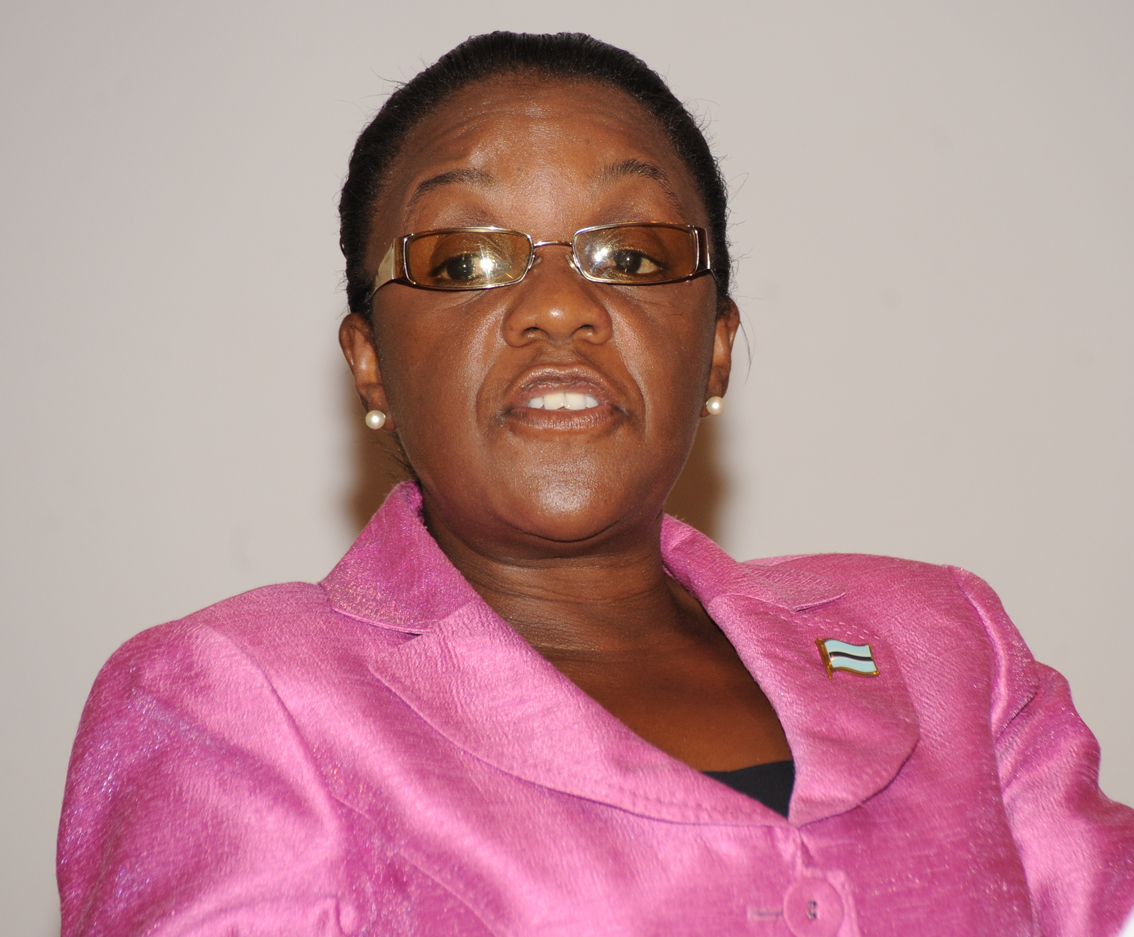
The Deputy Permanent Secretary (PS) in the ministry of Local Government and Rural Development, Ms Halakangwa Mbulai has said orphans and vulnerable children need special attention as they are prone to social ills.
Giving a keynote address at a workshop on the National Action Plan for orphans and vulnerable children in Gaborone on Monday, Ms Mbuli said issues involving children were essential and sensitive.
She said government had put in efforts to mitigate the impact of HIV/ AIDS so that children do not suffer when their parents die. The deputy PS added that government through her ministry has supplied all the relevant information on orphanage schemes to all stakeholders.
She indicated that the National Action Plan draws attention to all stakeholders to avoid duplication of efforts so that everyone effectively contributed to the lives of vulnerable children and orphans. She said it was every Motswana’s role to make Botswana a safe place for children.
“I am aware that resources are limited, and that budgets are diminishing, but we have to make more with less,” she noted.
The deputy PS called on all stakeholders to explore new strategies in order to reach out to more children.
When commenting, Head of Child Protection Services in the department of Social Services, MS Ookame Mokabathebe, said, of the 820 000 children counted in the 2011 population census, 40 040 were registered as orphans.
She indicated that about 36 000 more vulnerable children lived in the streets with some having a conflict with the law.
She also said in 2002/03, 1.5 per cent of households were headed by children, which included keeping the family together and being bread winners at the same time while 13 per cent of children under the age of five were under weight or too thin for their age.
She indicated that children still die of malnutrition in Botswana. “It is your duty as social workers to ensure that children are given appropriate food and to further make sure that the underprivileged children are given food by their care givers.
The director said child participation should be promoted at all times, adding that discrimination of any kind on any child must be curbed.
“Vulnerable children should access essential services including education, health, and birth registration,” she noted.
She said drug and substance abuse were becoming a problem; therefore more rehabilitation programmes were needed. ENDS
Source : BOPA
Author : -
Location : Gaborone
Event : Workshop
Date : 05 Feb 2013
Related News
22 Jun 2026

22 Jun 2026
BIC Drives Dialogue On Future Growth



21 Jun 2026