Residents venture into flood recession farming
08 Jan 2014
Some residents of Bodibeng in the North West District have ventured into flood recession farming, locally known as molapo farming, which has proved to be sustainable and profitable.
Kgosi Paul Mbaeva of Bodibeng expressed happiness that that many people showed interest in molapo farming. He said in an interview that molapo farming produced more yield than dry land farming.
Flood recession farming is based on natural irrigation and fertilization of the floodplain. It is practised along many rivers around the world. An agriculture research expert, Dr Geoffrey Wiles, recently explained that molapo farming was practised along the edges of river channels or seasonally flooded depressions on the fringes of the Okavango Delta by Bayei around 1978.
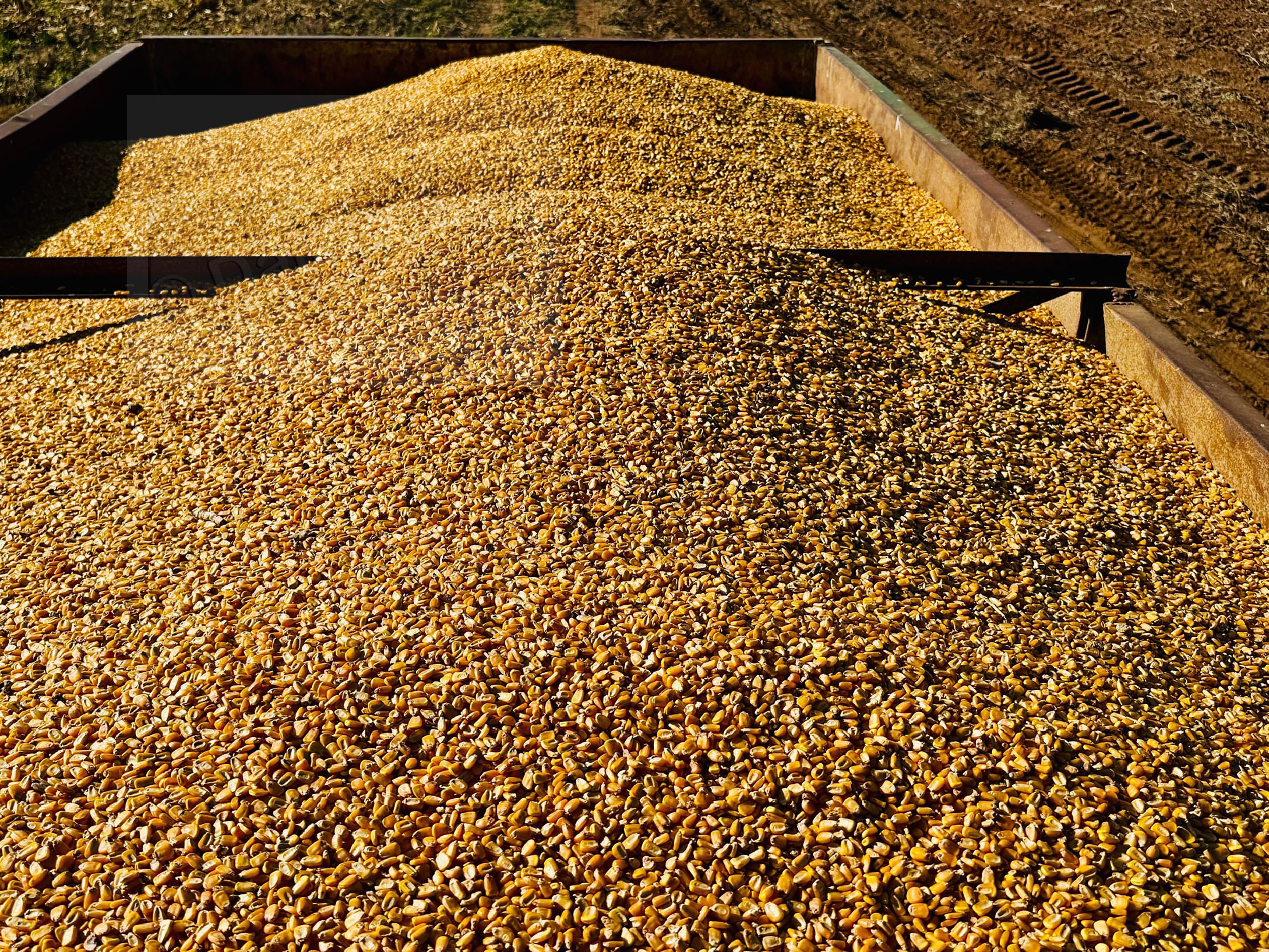
He said planting started as early as September when the floods receded. Maize was the most common cereal grown under this farming system.
Kgosi Mbaeva, who had been practicing molapo farming for past two years, said the system was effective. He said many people could take advantage of molapo farming to help Botswana’s food production efforts. “I managed to harvest high crop yield for the past two years and also managed to compete in the national agricultural show at Gaborone”, he added
He said unlike dry land farming, molapo farming was good because it used moisture from the river and plants took less time to grow. Kgosi Mbaeva observed many Bodibeng residents owned big masimo for dry farming but were not ploughing. He said he was happy, however, that some of the residents took advantage of the recent rains to plough.
He said one of the challenges to farmers was that elephants destroyed crops in the fields but in molapo farming, farmers harvested before elephants came in winter. ENDS
Source : BOPA
Author : Esther Mmolai
Location : MAUN
Event : Interview
Date : 08 Jan 2014
Related News
04 Aug 2026



03 Aug 2026
De Beers output surges in 2026 first-half

03 Aug 2026