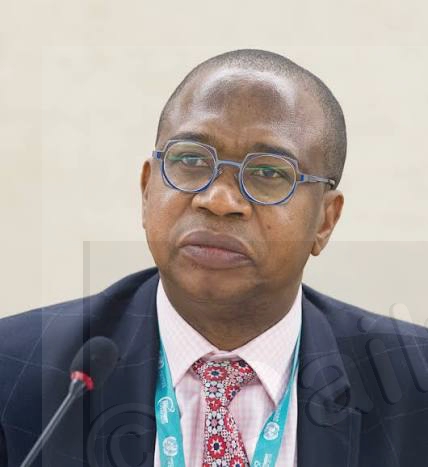
HIV generation speaks out
13 Nov 2022
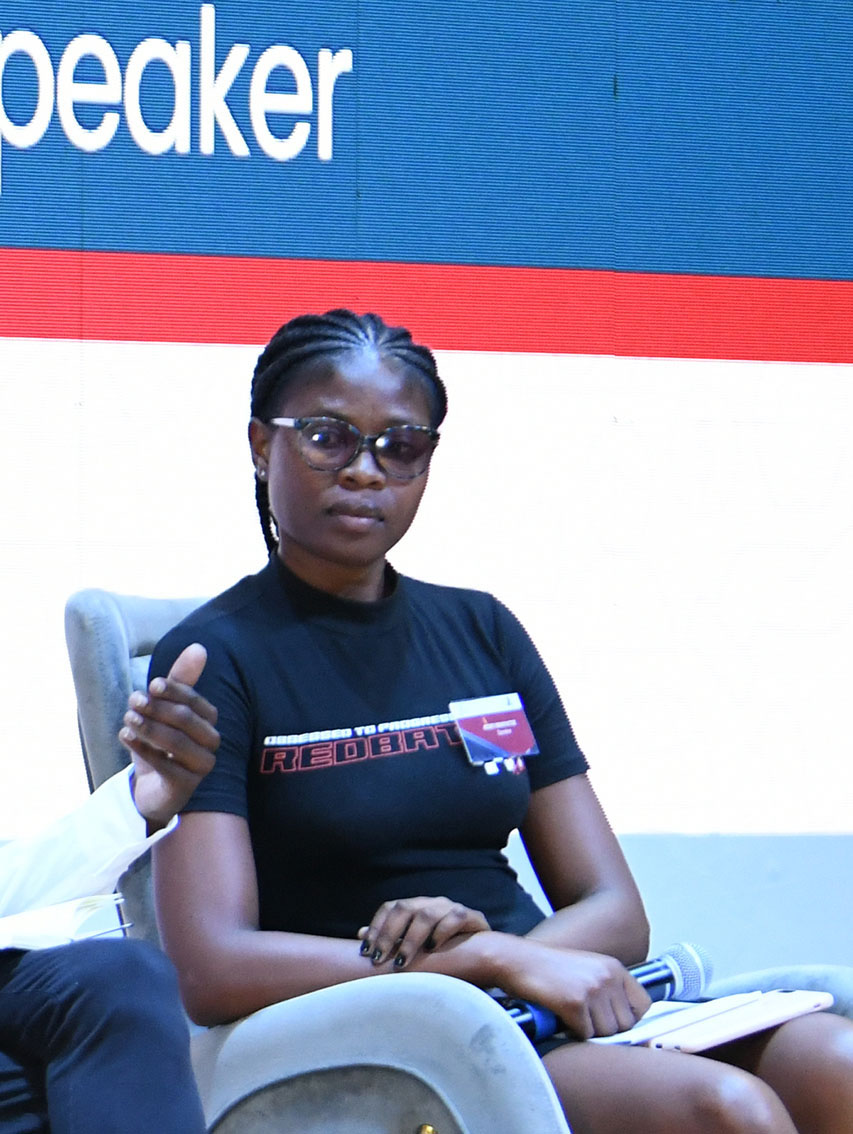
Born in an era of HIV and having to abide by the health protocols aimed at combating the spread of the virus, young people gathered in Gaborone to share their challenges and possible solutions towards an HIV free generation by 2030. The just-ended 8th Botswana International HIV Conference held under the theme; New Generation, New Opportunities: Building Resilience Within our Communities, offered the youth an opportunity to share their experiences in relation to accessing health services and their contribution towards combating the scourge. The youth were engaged in a panel discussion. BOPA’s Moshe Galeragwe captured the delibertaions.
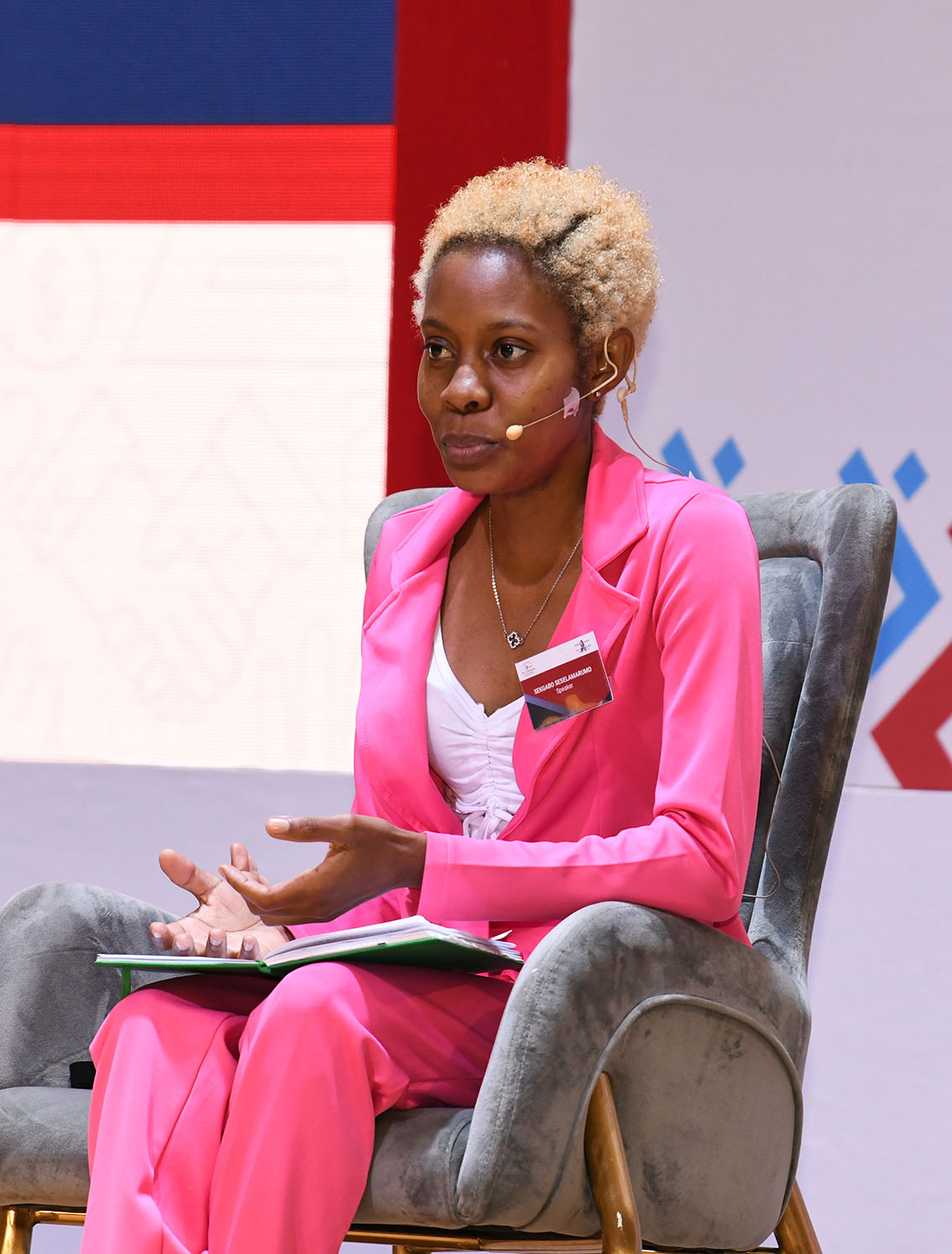
As for Ms Sekgabo Seselamarumo, who was diagnosed with HIV at the age of seven, growing up was a unique experience as she was accorded all the care compared to other children at home, but never understood why.
Enquiring on the reason of taking the daily medication and the somehow special care, Ms Seselamarumo said it was only revealed that she was special more so that she was attending an English medium private school.
“I was compelled to stick to the routine of taking medication, but never understood why. My HIV status was only revealed to me when I was 11 years old,” she said.
Ms Seselamarumo, a co-host of radio show on Duma FM focusing on personal journey of people living with HIV, said through the support of, among others her grandparents, the road to reality and accepting her HIV status was well prepared.
“At first I was scared,” she said. She said the thought that HIV was a killer clouded her mind, but through proper counselling she managed to resurrect her spirit and restore hope that one was able to live a normal life even though HIV positive.
“I disclosed my status after completing my secondary school. HIV is a challenge. It is hard for people to believe that you are positive when you are lively and maintain a healthy and normal lifestyle. Others will not even believe it and even wish to engage with you in risky sexual behaviour. They believe that when one is HIV positive they must be sick all the time and look lifeless,” she said.
Ms Seselamarumo also added that her devotion to fighting the spread HIV among the youth and the community at large was propelled by joining a club for teenagers living with HIV in Maun.
“The club members shared their stories and I was motivated to accept my status, open up and prosper. I started engaging more on the issue and even did some research on HIV. I believe my life has motivate many to understand that HIV is real and that even though one tested positive they should not despair, but focus on their health and move on,” she said.
Ms Seselamarumo has also advocated on the use of social media, as a positive platform to reach out to young people. She said platforms such as Tik-Tok, Instagram using faces of well-known youth personalities to educate peers on how to stop new HIV infections would assist in fighting the scourge.
On the issue of social media influencers, Ms Seselamarumo said they could be used to spread health education messages, share their experiences on HIV and other health issues and by so doing add value to the fight against HIV.
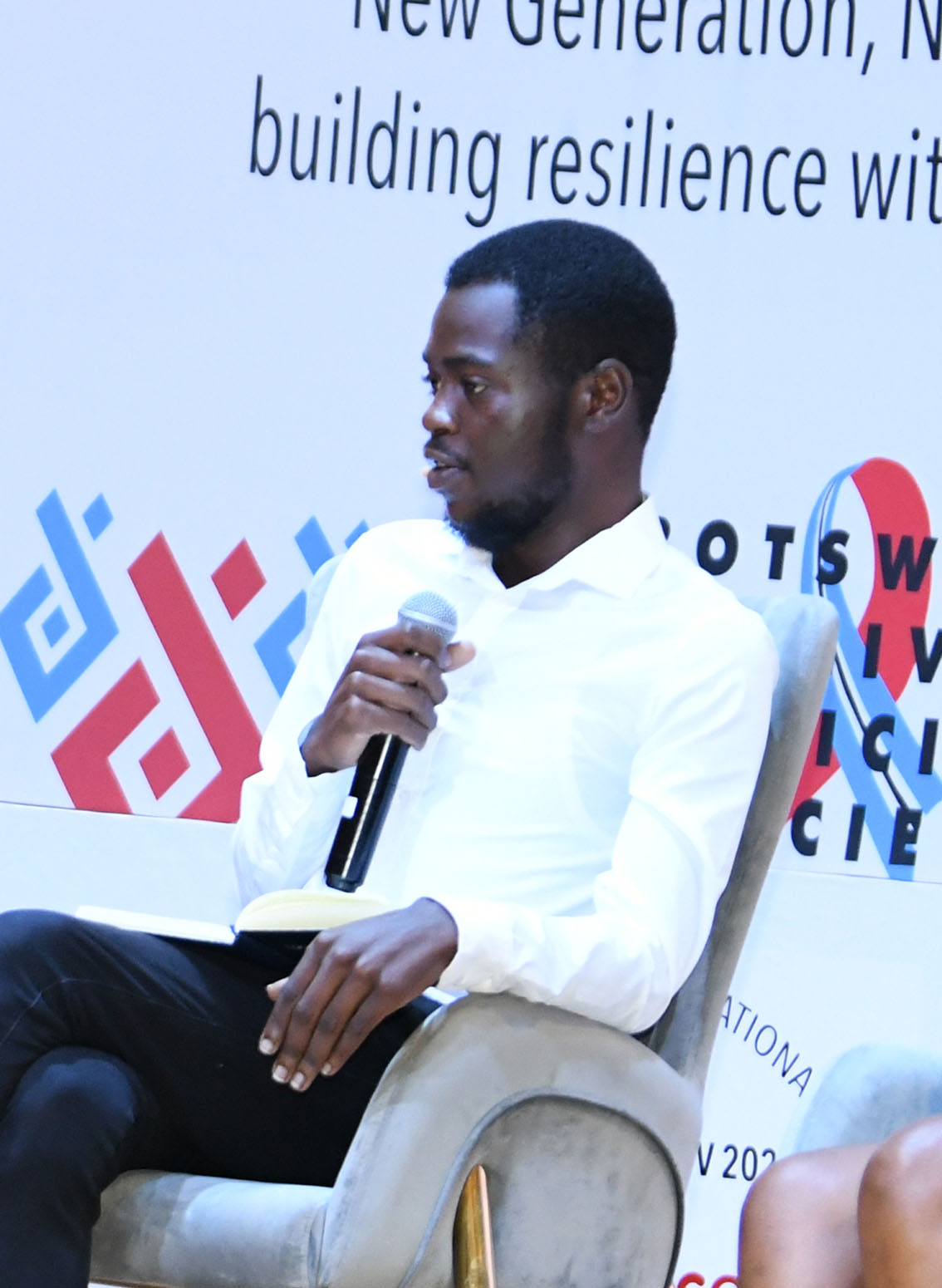
One of the panelists, Mr Polite Kepaletswe said born at a time when the world was struggling with combating the HIV virus has been a challenge.
However, Mr Kepaletswe said despite the predicament at hand, the youth were often tempted to get out of hand and engage in unruly and risky behaviour likely to fuel the spread of HIV.
As a result of influence from the environment and their peers, Mr Kepaletswe said some of the youth engaged in risky sexual activities and ended up contacting HIV.
“We were born at an era where protected sexual act was no longer optional, but mandatory, but youth always go out of the way to experiment the no go area,” he said.
Mr Kepaletswe, a health counsellor at Men and Boys for Gender Equality, said his childhood upbringing started in a rural set up and later he relocated to an urban area, where he was exposed to a completely new environment.
The youth in urban localities are always eager to break loose, experiment with whatever is at their disposal and go as far as engaging in unruly sexual behaviour,” he said.
He said the setup compelled one to align with what others were doing in order to ‘fit in’, feel cool and go with the flow.
Mr Kepaletswe said even though having a moment of fun, the unfortunate part would be hanging up with the wrong crowd that would expose one to the risk of getting infected.
He said there was nothing wrong with one enjoying their youth, but must always be mindful and guard against negative consequences.
Born HIV positive, Mr Kepaletswe has, however, indicated that there was life after testing positive.Though it was a struggle for him to initially accept his HIV status, Mr Kepaletswe indicated that through the necessary support and counselling, being HIV positive was not the end of the world and that one must adopt positive behaviour that would assist towards building an HIV free generation.
He said through properly aligned health services and support, the country would ultimately achieve its aspirations of building a resilient future, free of HIV.
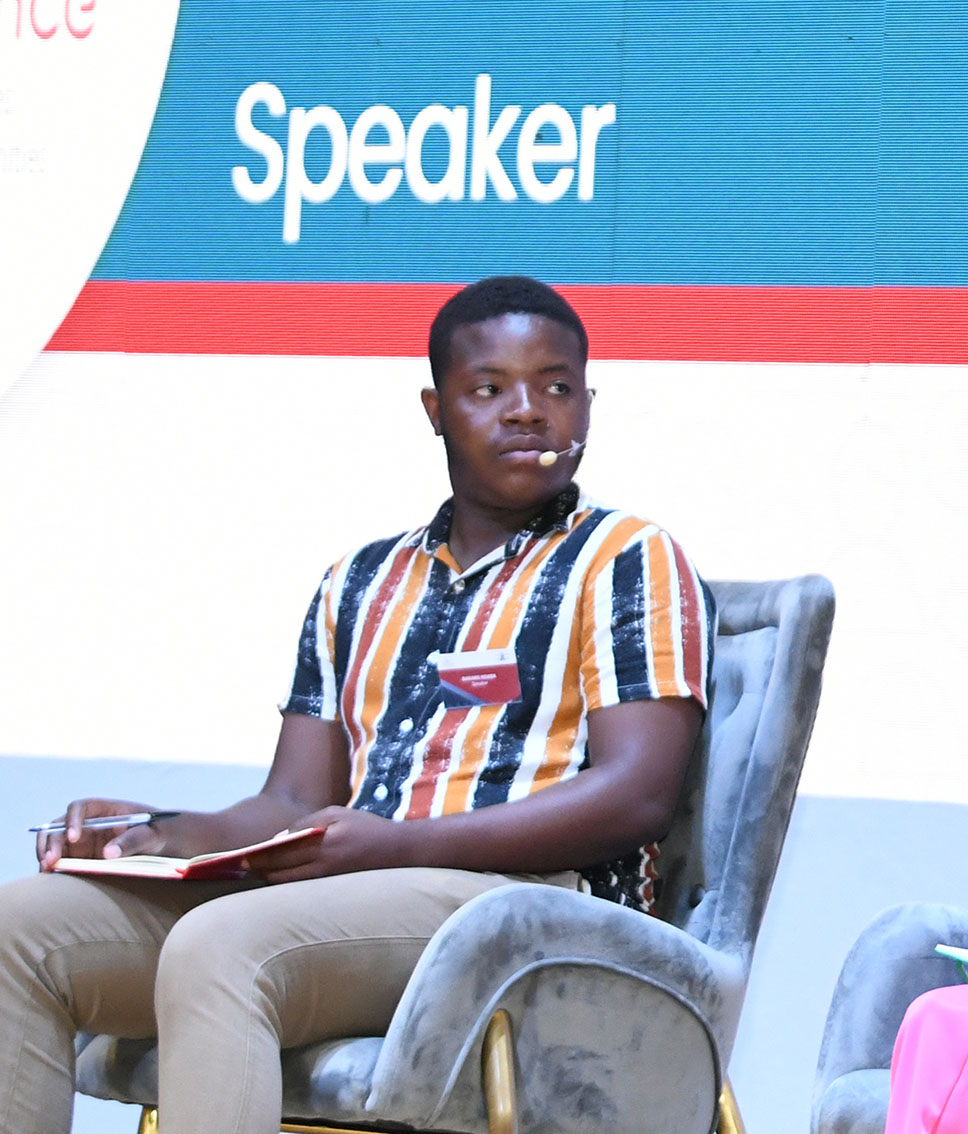
Meanwhile, Mr Bakang Ndaba, an HIV activist at Sisonke society was of the view that youth-related health services at health facilities were not sufficient.
Mr Ndaba said the youth were vulnerable to life challenge and it was unfortunate to observe that they were somehow not well catered for and left behind when planning for provision of health services.
However, Mr Ndaba does not dispute that efforts were being made to cater for the youth at health facilities, though not enough.
Mr Ndaba said the youth in less developed areas were the most affected and therefore vulnerable to getting infected with HIV.
He said youth friendly health services were not adequately spread across the country, therefore leaving a large share of the youth population in the lurch, ill equipped to fight HIV.
Mr Ndaba has therefore appealed to health service providers to engage the youth, empower them with education on HIV, use them as vehicles to educate their peers on the dangers of HIV in order for the country to realise the dream of eliminating HIV infections by 2030.
Additionally, Mr Ndaba has also advocated that health service providers must all be trained to be in a position to serve the youth accordingly.
In some situations, Mr Ndaba said the age gap becomes a challenge in opening up on sexual reproductive issues including those relating to HIV.
He said generational gap was a barrier in providing the youth with health services.
In a population that was dominated by youth, Mr Ndaba said services must also be focused in serving the majority.
He said the youth were vulnerable, have no power to negotiate on how to engage in sex, as they were often over powered by the elderly with financial muscle and other resources.
Ms Kemo Monyatse, a public health graduate was equally concerned that communication channels used to appeal to the youth were not well aligned to capture their interests.
However, Ms Monyatse appreciated efforts being made, urging the youth to also take the lead, do it for themselves and stop new HIV infections.
She said young people must have a seat at the planning table so that programmes and policies aimed at fighting HIV spread would have a youthful voice and be youth-focused.
Ends
Source : BOPA
Author : Moshe Galeragwe
Location : Gaborone
Event : Conference
Date : 13 Nov 2022
Related News
01 Aug 2026