Textile industry to benefit from support programme
02 Nov 2022
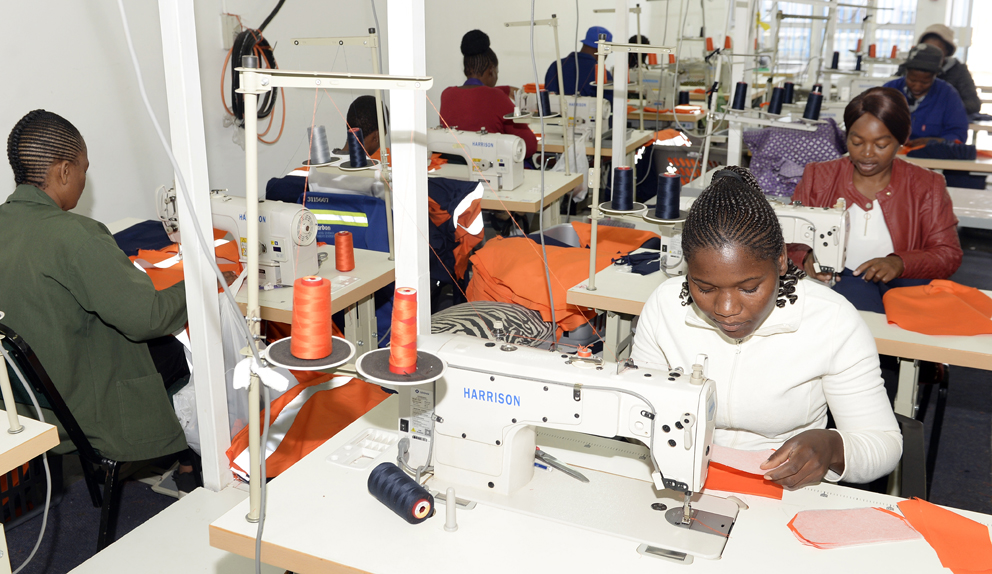
The local textile industry stands to benefit from ban on importation of school uniforms through the enactment of The Infantry Support Programme.
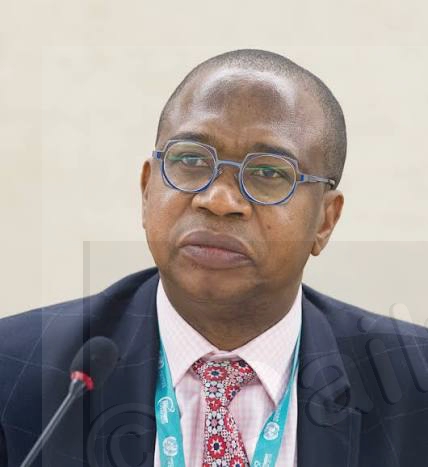
Speaking in an interview Monday, Botswana Exporters Manufacturers Association (BEMA) Chief Executive Officer, Ms Mantlha Sankoloba said the programme t would benefit local businesses.
She said the development was in line with Southern African Customs Union (SACU) legislation which suggested that member states had the right to impose restrictions on imports or exports following national laws and regulations for the protection of their industries.
Ms Sankoloba said after careful consideration and gathering of data, imposing a ban to protect the textile industry proved to be necessary as evidenced by the capability of local businesses to supply the domestic market with school uniforms.
The BEMA CEO who is also the president of the Organisation of African and Pacific States (OACPS), a business forum that exists to ensure public and private sector dialogues or synergies, said their interaction with key stakeholders revealed that market access continued to be a challenge for local businesses.
To this end it was difficult to find locally produced school uniforms on retail shelves, a worrisome trend, said Ms Sankoloba.
Ms Sankoloba said a decision to devise an instrument that would allow the local market to be self-serving and potentially scale up to service even the regional market was made.
“Already, we have textile businesses that have been exporting to other regional markets and we do have those that have a great potential to supply our retail outlets if allowed to do so,” she said.
When speaking to the pricing strategies adopted by local businesses, Ms Sankoloba said it was worth noting that the instrument devised had not fully been effected therefore, it was only natural to expect sentiments of perceived hiked prices from consumers.
She acknowledged that they had observed that local products were a bit pricey as compared to buying from shops.
However, she said it was paramount to look at the economies of scale in this regard, adding that pricing was usually influenced by a couple of factors, which among others included the volume or amount of items sold, which obviously would affect the pricing strategy.
She said the infantry support programme targeted the bigger market, where a game of numbers would come to play; more production more returns, given the availability of the market.
Ms Sankoloba said they were optimistic about a positive change, mentioning that they had engaged some local textile companies and held dialogues with potential clients in the retail space to discuss elements of pricing, quality, quantity, and specification of supply.
In terms of quality advisory, Ms Sankoloba said they had facilitated synergies between the Botswana Bureau of Standards (BOBS) and manufacturers to impart knowledge on required textile standards.
She said the concept of an industry support programme was not a new phenomenon as most countries had been adopting a similar practice to protect their industries.
She said an example would be South Africa which had been keen on protecting its motor industry, adding that Botswana had never been that aggressive in terms of protecting its small industries.
The BEMA CEO said this was a good sign that finally the country was becoming inward-looking to revamp its economy, create employment and be self-sufficient.
Ms Sankoloba said the time was right for the country to develop and grow other sectors, not just agriculture and textile but the entire value chain including logistics, branding, packaging and others.
She said the prospective foreign direct investment would possibly loom from this development and the textile industry would grow to attain sustainable economic diversification.
Meanwhile, the president of the Botswana Textile and Clothing Association, Ms Banusi Mbaakanyi said it was indeed exciting news to have such a development .
Ms Mbaakanyi said as reflected in the Industrial Development Plan (IDP) some sectors were reserved for infantry development with the idea of reserving a local market that would boost local companies to become competitive and able to export.
She said that given school uniforms that had standard operations which were recurring in nature it was easier to develop the manufacturer’s skills unlike in the ever-dynamic fashion industry.
Ms Mbaakanyi said pricing models adopted in the textile industry would be influenced by common denominators which included the entire value chain presented as well as competitiveness in terms of productivity at the workplace.
In terms of the value chain presented, Ms Mbaakanyi said the sector was supposed to have vertical integration of suppliers of raw materials who would feed into the satellite of the industry.
She said during the times of the Botswana Enterprise Development Unit (BEDU), SISMO fabrics was established to be a sole warehouse for all different types of fabrics that were needed to feed an array of textile businesses locally.
“The strategy was good because we didn’t have to go to South Africa to purchase fabrics, it was locally available. SISMO at the time was not a retailer but a structure that was warehousing and selling at wholesale price,” she said.
Ms Mbaakanyi said in the absence of fabric wholesalers prices were likely to be steep considering the costs embedded in acquiring raw materials outside.
She said as part of the infantry support programme plans were underway to set up warehouses that would sell fabrics ideal for manufacturing school uniforms at reduced prices.
Ms Mbaakanyi said through the support of the Botswana Investment and Trade Centre (BITC), the association recently signed a Memorandum of Understanding with International Textile Machinery Exhibition (India) which she believed would assist them in sharpening their skills and showcasing their products to the international market. ENDS
Source : BOPA
Author : Marvin Motlhabane
Location : GABORONE
Event : INTERVIEW
Date : 02 Nov 2022
Related News
01 Aug 2026