


Mother tongue policy benefits from UNICEF aid
18 Nov 2021
UNICEF is funding the development of learning materials for the 13 languages proposed for phase one of mother tongue in schools implementation.
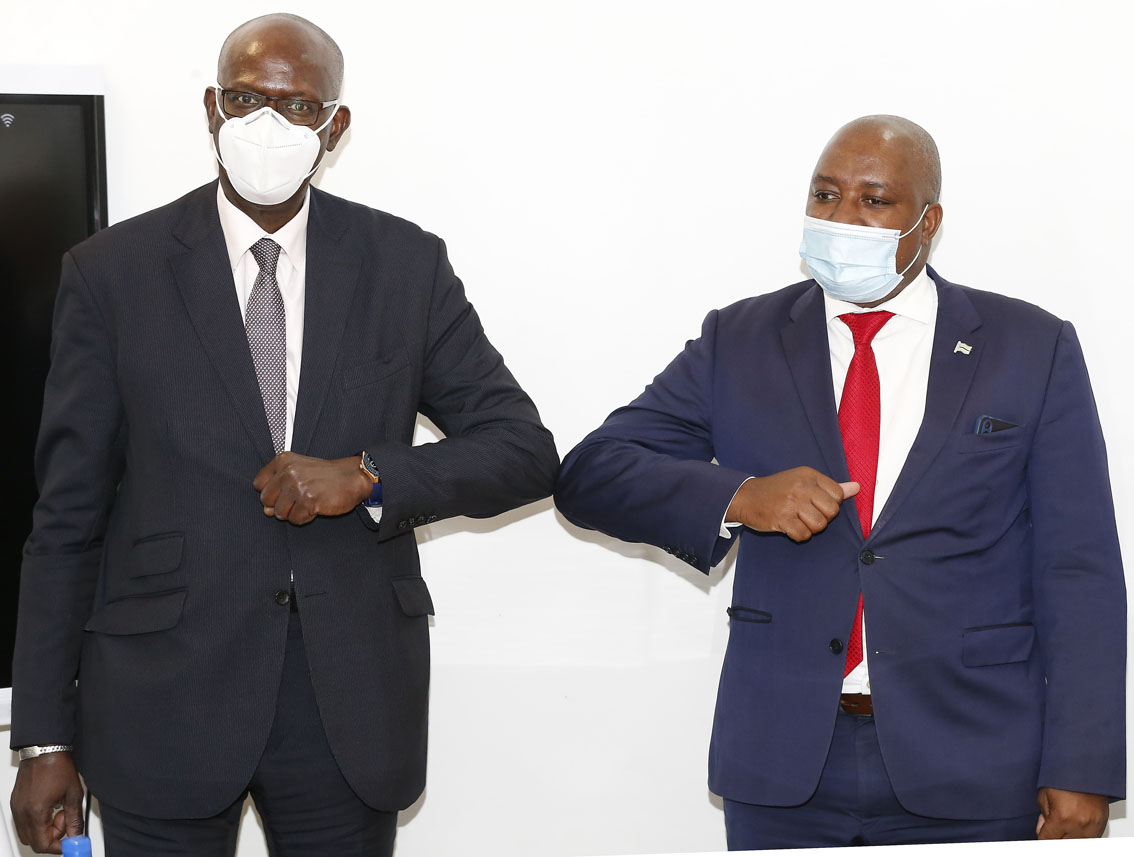
Speaking in a meeting with UNICEF regional director Mr Mohamed Malick Fall in Gaborone yesterday, Minister of Basic Education Mr Fidelis Molao said Botswana was at advanced stage of consultations for introducing mother tongue in the school curriculum.
Mr Molao said the move was another way of demonstrating the country’s unity in diversity as well as to improve learning outcome.
He said consultations were also ongoing to inform finalisation of the mother tongue policy.
Minister Molao explained that introduction of mother tongue in school was part of transforming the education sector.
“This is part of the transformation that we are embarking on, so that we bring everyone on board,” he said.
Meanwhile Mr Molao has lauded UNICEF for playing a big role in Botswana’s education sector enumerating the different ways the organisation had rendered assistance to the country.
He said UNICEF was in the process of securing supportive teaching and learning equipment, including smart boards and tablets worth P500 000 for learners with special needs.
The organisation was also supporting advances in the inclusive education policy and enhanced access to quality education for special needs learners, said the minister.
In addition, he said UNICEF has assisted the Department of Special Support Services with about P1 million towards the provision of psychosocial support to mitigate the impact of COVID-19.
Other UNICEF entailed sponsoring the printing of Botswana Open University materials for self-study at junior secondary school level.development of an out of school educational policy, curriculum and learning materials for children who have not been able to attend formal education.
Mr Molao said the early childhood care and education programme had also benefitted from UNICEF support through development of policy, curriculum, policy review and materials.
Currently, 25 991 children had access to early childhood care and education programme in 629 schools countrywide, he said.
For his part, Mr Fall said most Southern African countries had invested heavily in educational infrastructure but little towards quality outcome.
“There is no better way to quality education than to teach learners in their own mother tongue,” he said. Ends
Source : BOPA
Author : Bonang Masolotate
Location : Gaborone
Event : Meeting
Date : 18 Nov 2021
Related News

07 Aug 2026
Xiplomacy Hosting the world building the future

07 Aug 2026
Xiplomacy Pursuing the greater good for all
06 Aug 2026