


Health wellness The year that was...
22 Dec 2020
The year 2020 saw the world coming to a standstill following an outbreak of a health pandemic of respiratory disease spreading from person to person through the air.
Since then, World Health Organization (WHO) declared the severe acute respiratory syndrome, coronavirus 2 (SARS2-CoV-2) or COVID-19 a world pandemic.
At the beginning Botswana was spared, able to keep the virus at bay, and is one of the last three countries to record the first case of COVID-19, which to date continues to pose a serious public health and has claimed lives and caused untold sufferings.
On a fateful Monday night, March 2020 as the pandemic ravaged the world, the then Minister of Health and Wellness Dr Lemogang Kwape announced that three people, who had travelled abroad have tested positive.
By March 31, the number of confirmed cases had risen to four, and one person had already died.
“The fourth case was a 79-year-old woman, who arrived from South Africa on March and died on the 25th,”
Vice President Slumber Tsogwane described that as the beginning of the horror health news for the year 2020 that would come to disrupt normal life and socio-economic activities.
President Dr Mokgweetsi Masisi through parliament declared a six months state of emergency effective April for the purpose of taking appropriate and stringent measures to address the risks posed by COVID-19.
It has since been extended to March 2021.
The State of emergency saw lockdowns, while government also zoned the country as part of virus spread containment measures.
Strict health protocols and data entries/capturing were legislated for public offices and private businesses.
Face masks compulsory in public, shared spaces
Government issued legislation that made it compulsory for all to wear face masks in public places, businesses and common areas of residential buildings from May 1.
“...The new normal of home-made cloth face mask that covers the nose and mouth or another appropriate item that covers the nose and mouth when in a public place,” the release said of the non-medical masks.
This became the new normal and that on its own was a blessing as this year a fewer common cold or flu cases were recorded.
Dr Tuelo Ntwaagae of Meriting Medical Center confirmed that this year there were fewer patients who presented flu-like symptoms even during the winter period that usually records more patients with flu. In the face of COVID-19 outbreak across the country, normal life was disrupted, all manner of health thwarted; from children to the elderly all were equally impacted.
The mental health impact from the pandemic took a toll on family life, which was disrupted in so many ways; education, careers, marriages, nutrition, spiritual well being and otherwise.
At one point COVID-19 saw the whole of Botswana Parliament and some journalists quarantined when a health worker assigned to Parliament tested positive.
As for President Dr Masisi, he has been quarantine four times; first after a trip to Namibia for the presidential inauguration ceremony, secondly after exposure to an infected person during a parliamentary session, thirdly after a trip to Zimbabwe for a SADC meeting, and lastly following a positive diagnosis of one of the officers ‘closely serving him’.
Closure of work places
At its peak, the disease saw closure of the Ministry of International Affairs and Cooperation ‘due to COVID-19 exposure,’ and other work places among them Gaborone Private Hospital closed over exposure.
The National AIDS and Health Promotion Agency (NAHPA) also had to temporarily close in line with COVID-19 protocols.
Mandatory testing of cross border travellers
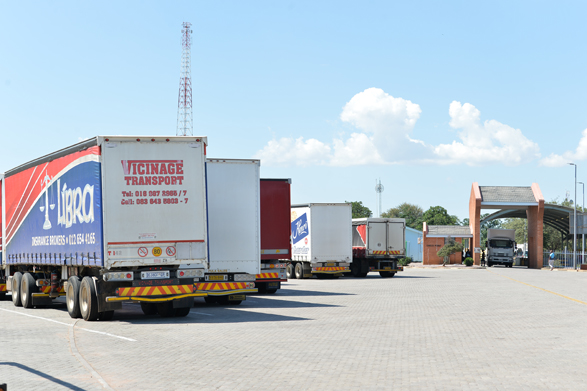
The presidential task force for COVID-19 called for mandatory testing of cross-border travellers, after one such traveller tested positive.
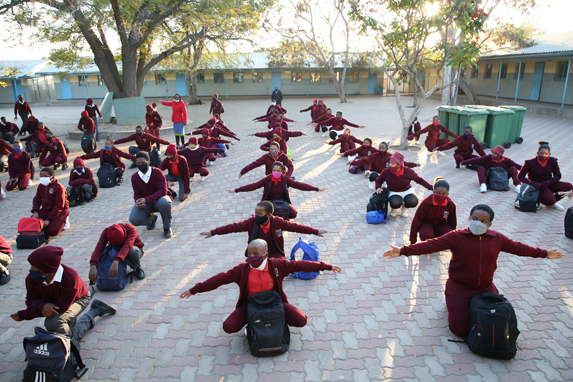
Testing also saw school-going children as young as six years being tested wherever there was a scare, one such school being Masa Primary School in Gaborone.
Nevertheless, despite debilitating effects, COVID-19 has its positives; district councils saw a need to construct additional toilets and instal hand washbasins in primary schools in an endeavour to improve hygiene and also in compliance with COVID protocols.
The long desired improved hygiene infrastructure saw children rekindled to washing of hands after visiting rest rooms, something that could have been in place all along.
That on its own reduced other illness that could have otherwise infected people.
Although COVID-19 seems to have overshadowed health issues, other health aspects were not left behind.
Government recommited to the welfare of People with Disabilities (PWDs).
This was so because PWDs had been misplaced by COVID-19, therefore government continues to mainstream disability in all its development programmes with the view to improve the lives of people with disability, as well as to remove barriers and ensure their full participation in the socio-economic development.
While more funding was shifted to COVID-19, President Masisi reassured the nation that COVID-19 would not derail HIV/AIDS fight.
The President highlighted that COVID-19 had put pressure on the country’s health systems and economy with the potential to undermine gains made in the fight against HIV/AIDS.
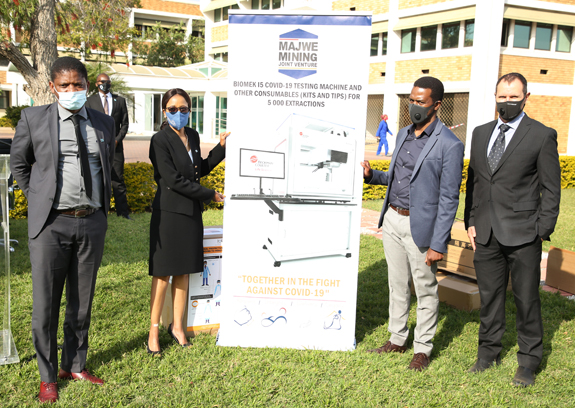
Meanwhile donations for COVID-19 were poured in from all over the world, for instance American TV star and philanthropist, Mr Steve Harvey donated 7.2 metric tonnes of medical equipment to be used by frontline staff dealing with the pandemic.
Jack Ma Foundation of China also donated masks and other COVID-19 aids.
Support for government’s efforts to combat the virus has also seen a surge in financial donations into the COVID-19 fund account with millions donated in the process.
As a precautionary measure, government urges all to minimise unnecessary travels and obey COVID protocols to help reduce the spread of the pandemic. ends
Source : BOPA
Author : Lesedi Thatayamodimo
Location : GABORONE
Event : 2020 Health, wellness recap
Date : 22 Dec 2020
Related News

10 Aug 2026
Funding halts Harvey ignite rollout
08 Aug 2026