


COVID-19 halts SADC economic growth
21 Dec 2020
When the first case of COVID-19 was announced in South Africa, the rest of Southern African Development Community (SADC) countries became anxious and wondered whether they would be next.
SADC recorded its first case in early March, and since then, the numbers have been increasing.
As of April 15, 2020, 14 of the 16 SADC Member States had been affected by COVID-19.
The World Health Organisation (WHO) on March 11, 2020, declared COVID-19 the world health global pandemic.
Questions became unanswered and thoughts went on over-drive as citizens and the leaders of the countries that form the SADC bloc brought together by the same purpose and desire for a better future, started to wonder what was coming.
COVID-19 has changed the socio-economic landscape around the world and SADC region has not been spared. The pandemic has ravaged the continent, affecting different aspects of trade and industry spheres.
As the pressure mounted, industries moved swiftly to cushion sectors, while governments were mobilising to safeguard citizens’ economic and social well-being and manage the fallout.
Combining these factors with the on-going lockdowns and state of emergencies around the globe, the platform to trade fairly has not been easy, leading to some industry players losing while others winning.
Although it has become difficult for humanity to do things as they used to do, the region decided to unite around a common regional purpose, by closing borders, doing nation-wide lockdowns, and the roll-out of mass screening and testing programmes.
This was to make sure that the pandemic does not hinder efforts by the SADC countries to eradicate poverty, inequality and developments of any kind.
The response of the SADC countries among others covered surveillance, prevention, sharing of information, formation of solidary funds in individual governments, diagnosis, treatment and control.
SADC countries had to meet and discuss how they can enhance the standard and quality of life of the peoples of Southern Africa through regional integration.
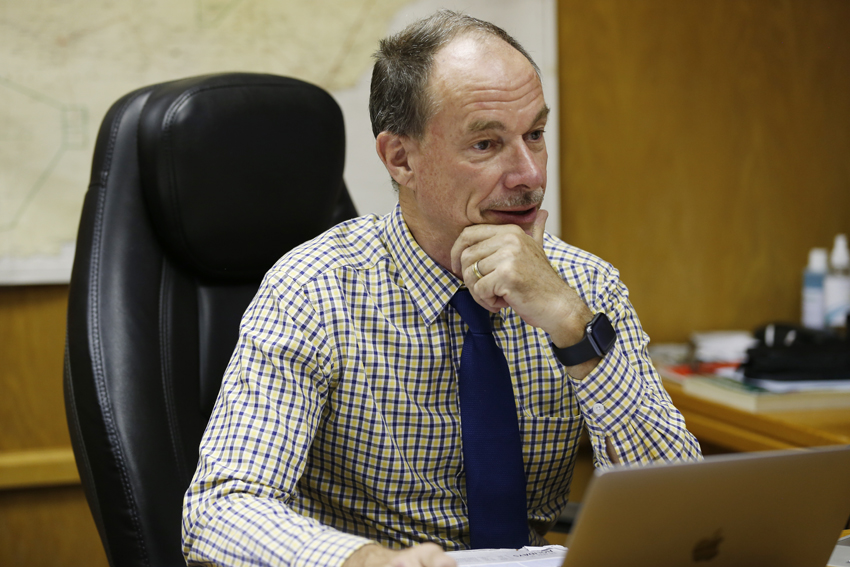
A Senior Policy Advisor at Botswana’s Ministry of Finance and Economic Development, Dr Keith Jeffries noted the significant negative impact of COVID-19 on the Botswana economy.
He said the adverse impact had occurred through various channels, both domestic and external. Domestically, the national lockdown in April – May 2020 and the Greater Gaborone lockdown in August meant that many businesses had to close partially or completely.
Dr Jeffries said internationally, travel became much more difficult, with some countries, including Botswana closing their borders, or severely restricting entry, closing airports and cancelling flights, hence businesses dependent upon international travel became badly affected.
In Botswana’s case, this has mainly impacted on diamonds and tourism as sales of the precious gems dropped sharply from March through to July.
Buyers could not travel to Gaborone for diamond site sales, and global retail demand for diamond jewellery dropped sharply due to lockdowns, Dr Jeffries explained.
“International tourism has been even more dramatically affected, with an almost complete halt of visitors coming to Botswana. This has badly impacted firms involved in the tourism sector.” Dr Jeffries noted.
Furthermore, he said domestic tourism had been negatively impacted by the restrictions on travel across zones within the country, compounded by uncertainty over when and how those restrictions will be imposed.
Dr Jeffries said though difficult, the situation is that there are some positive signs of recovery as the Ministry of Finance expects Gross Domestic Products (GDP) to contract by around nine percent in 2020 as a whole, but to experience a recovery to around seven to eight percent growth in 2021.
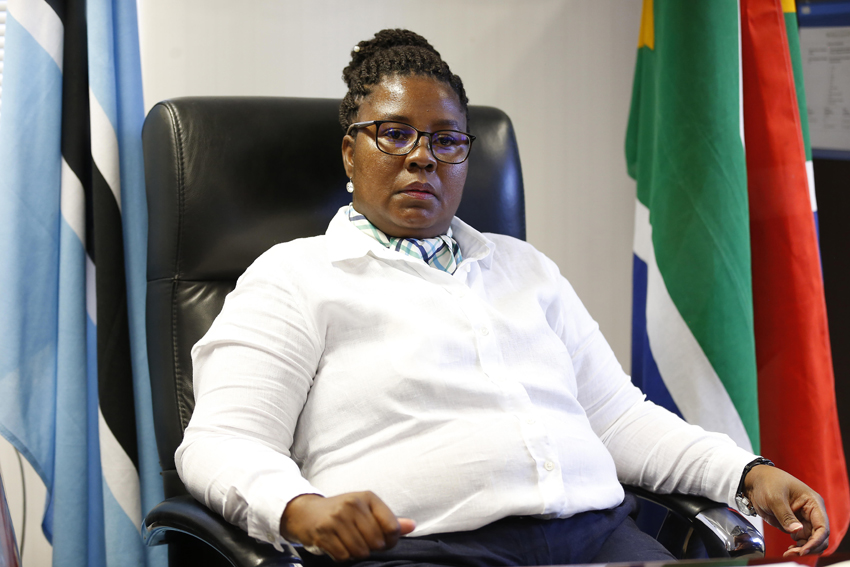
South Africa’s High Commissioner, Ms Rosemary Mashaba said the fight against the virus requires a society wide effort, which when they make it, they have to bear in mind that they will be securing their future.
She said South Africans particularly, from all walks of life have played their part in that they have worked from home during the days the pandemic ravaged.
Ms Mashaba said the South African government declared a National State of disaster, banning international travel, closing schools, restricting gatherings, and promoting social distancing and hand hygiene.
She added that the national lock down was being reviewed from time to time, highlighting that, though the lock down caused substantial economic hardship, especially among poor and vulnerable people, its objectives was to save people’s lives.
“As in most countries in Southern Africa, education has been negatively impacted by the pandemic,” Ms Mashaba said.
She said schools had to close down and some were conducting learning remotely, however, they could not close indefinitely.
As government was preparing for the gradual re-opening of schools and institutions of higher learning, education authorities were hard at work putting the necessary health and safety measures in place, she added.
Ms Mashaba also said the general approach is that if people are responsible, do respect one another and work with those serving the nation during this pandemic, South Africa will overcome the pandemic and break its transmission.
She quoted South African President, Mr Cyril Ramaphosa saying ‘the answer is in our hands,’ adding South Africa remains committed to ensuring the continued flow of trade with its regional and neighbouring partners.
Indications are that until a vaccine or treatment for COVID-19 is found, which might take a number of months, SADC must allow safe trade and transport facilitation for economic growth while containing the spread of the Corona-virus.
Commenting on possible retrenchments that might occur at many companies in the region as the aftermath of COVID-19, Ms Mashaba said analysts have estimated that the pandemic will cost the country millions of jobs.
“Since the onset of the pandemic in South Africa, our strategy has been to provide whatever support we can, within our constrained resources, to protect businesses and preserve jobs.
The government is committed to do what it must to build an economy that is resilient and dynamic, that creates work and opportunity, and that meets the needs of all our people.”
The government has put measures in place to protect local businesses during the lockdown in the form of loans, tax relief, debt restructuring, extended credit lines and retail rental exemptions are continuing to provide vital support, Ms Mashaba explained.
On Gender Based Violence (GBV) that became rampant during the pandemic, Ms Matshaba said they are deeply concerned that criminal elements have used the cover of the pandemic to increase their attacks on the public, especially women.
She said law-enforcement is committed to ensuring that all members of the community, in particular the vulnerable groups are protected against all forms of crimes not only in South Africa but the SADC region as well.
The COVID-19 pandemic has come but appears as not strong enough to derail the SADC socio-economic fast moving train.ends
Source : BOPA
Author : Idah Basimane
Location : GABORONE
Event : Interview
Date : 21 Dec 2020
Related News

10 Aug 2026
Funding halts Harvey ignite rollout
08 Aug 2026