Activist calls for empathy for those living with HIV
01 Dec 2020
Learning that you are HIV positive is an unnerving experience but having to deal with stigma within communities is worse.
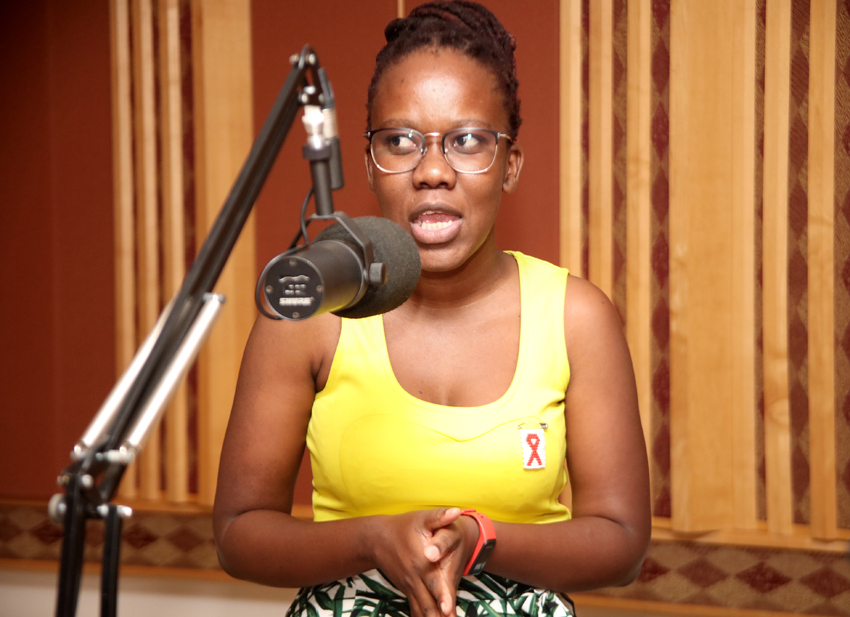
HIV/AIDS Activist and Technical advisor, Ms Masedi Kewamodimo who was born HIV positive revealed this in an interview on November 30.
As the world commemorated World AIDS Day, the 26-year-old activist said she hoped that people understood that HIV did not choose which family to affect. She hoped people would ask themselves ‘what if it was my family member, would I like her/him to be treated this way?,’ adding that they would then view HIV/AIDS differently.
She hoped that people would realise that HIV positive deserved to be loved as there is life after the positive results, not people disappearing after learning on one’s HIV status.
The HIV/AIDS activist said HIV positive people faced challenges, direct and indirect stigma within communities.
A lot of people, she said were still struggling with disclosure because of the societal notion that people living with HIV had done something wrong, or associated HIV with sexual immorality, turning a blind eye to the fact that others got infected differently, such as being born positive such as in her case.
She said lack of support from family members was among the challenges, adding that most family members did not know how to offer support and believed that taking medication as per the doctor’s advice was all that was needed.
“Sometimes you just need a family member to maybe accompany you to a health facility or to be asked how you are doing,” she added.
Ms Kewamodimo said the first step before disclosing HIV status was for people to love and accept themselves, adding that how they felt was very important.
“When you have accepted your situation and feel good about yourself, it does not really matter what other people think of you. Self-acceptance is a journey, it took me a while to come to terms with my status.”
She enrolled for treatment at the age of 10, something that was not easy for a child her age.
She noted that in most cases people were only provided with psychosocial support services when they start treatment and when they default on treatment.
“For example, I have been on treatment for 16 years and am regarded as someone who does not need that kind of support, but I do,” she said.
She said being positive has limitations on one’s life including relationship and said this was something that one needed to be enlightened about for the future.
The activist said due to lack of support, even when someone needed to disclose his or her status, maybe in a new relationship they would not know how to do it.
“People would then get in relationships without disclosing their status, which puts a lot of people at risk of contracting the virus,” she added.
She also highlighted lack of proper health care services as one of the challenges, adding that during lockdowns there was no thorough consultations with the doctor, noting that in most cases the patients were just informed of what their blood tests and given the next appointment date.
“I believe a proper consultation should include, for example if CD4 count has dropped to try and find out why and provide a solution,” she added.
She said some people defaulted on medication during lockdown because of lack of travel permits.
Ms Kewamodimo explained that some people, mostly those who had not disclosed their status, got their treatment in different districts .
“Some of these people just stayed home without medication as they could not go to the nearest clinic knowing that someone they knew could see them,” she said.
She added that providing HIV services separately from the main health facility, where other services were provided was a disadvantage to a lot of people who had not disclosed their status.
Ms Kewamodimo noted that people living with HIV in the work place faced challenges when they had to go for medical checkups. “If the employer needs a doctor’s note, it shows where the person was assisted since HIV services are separated from other services.”
She explained that this disadvantaged those who were not yet ready to disclose their status, adding that it would ultimately affect their job performance.
She urged the media to report HIV issues in a positive manner, for example reporting about people who are living positively with HIV and showing their achievements, adding that this would encourage others to accept themselves and live positively hence winning the war in the process.
The activist highlighted that government and different stakeholders were doing a good job in this fight. However she indicated the need to invest in psychosocial support services. ends
Source : BOPA
Author : Thato Modiakgotla
Location : GABORONE
Event : Interview
Date : 01 Dec 2020
Related News

11 Aug 2026
Boko calls for radical reforms in public service
11 Aug 2026
Botswana and US commit to global peace

11 Aug 2026
Chobe district receives malaria drugs
11 Aug 2026