Economic strengthening can curb exploitation
03 Nov 2020
Family economic stability and empowerment can enhance protection and security, thereby reducing the risk factors that perpetuate violence.
The coordinator of Marang Child Care and Network Trust, Ms Kgomotso Sejoe stated that access to resources allowed parents to invest in children’s health and education, increase families’ economic resilience and reduced financial stress.
Ms Sejoe noted that economic independence helped to protect women and adolescent girls from sexual exploitation.
She indicated that when paired with gender-equity and training, income strengthening efforts might reduce risk factors for child maltreatment and exploitation.
The methods through which income and economic strengthening may be applied to protect children and families were complex and dependent on local context.
Ms Sejoe said economic strengthening effort targeted women and focused on reducing poverty, improving child health and nutrition, supporting education or empowering women.
To get the desired results, she said they might be combined with parenting support, gender equity and training.
She indicated that evidence supported approaches included micro finance and training of local entrepreneurs who have no access to bank loans.
In addition, she said people could save and form loan groups.
Ms Sejoe however noted that women might face backlash from an unsupportive partners or community because they had gained more control over economic resources and decision-making.
Furthermore, she called on parents to reduce harsh parenting practices and create positive parental relationships.
She stated that parents should create safe home environments and building foundations of support and care for children through affection, quality time, praise and healthy methods of dealing with difficult behaviour.
Ms Sejoe also implored parents to inculcate nurturing, which involved helping children develop healthy social and emotional behaviour, teaching life skills and promoting well-being through modelling healthy ways to solve problems and communicate feelings.
She indicated that parents should also uphold positive discipline such as praising and rewarding, good behaviour and non-violent response to misbehaviour.
Children, she added, should be taught social and survival skills from a young age.
Commenting, social welfare officer, Ms Mmonie Makobye said they started having more reports of child abuse since child protection committee was formed in
Boteti, as reports from different agencies such as schools, police and others reached their office.
She said they now had 130 cases dating back from 2014, emphasising that it was important to have ownership towards child protection issues.
Ms Makobye said it was crucial to have strategies aimed at approaching challenges hindering the efforts to promote child protection, citing that every child should have a birth certificate.
“We need to get people out of the comfort zone in dealing with protection, and being cognizant of one’s particular culture” she said.
The district AIDS coordinator, Mr Ketlaantshang Monyadiwa noted that there was a large number of families residing in farms with their children who were being denied access to education.
Mr Monyadiwa also expressed concern that the culture of Basarwa allowed that children aged 11 and 12 years could be married by older men of 35 years. ENDS
Source : BOPA
Author : Thandy Tebogo
Location : LETLHAKANE
Event : Workshop
Date : 03 Nov 2020
Related News
10 Aug 2026
10 Aug 2026
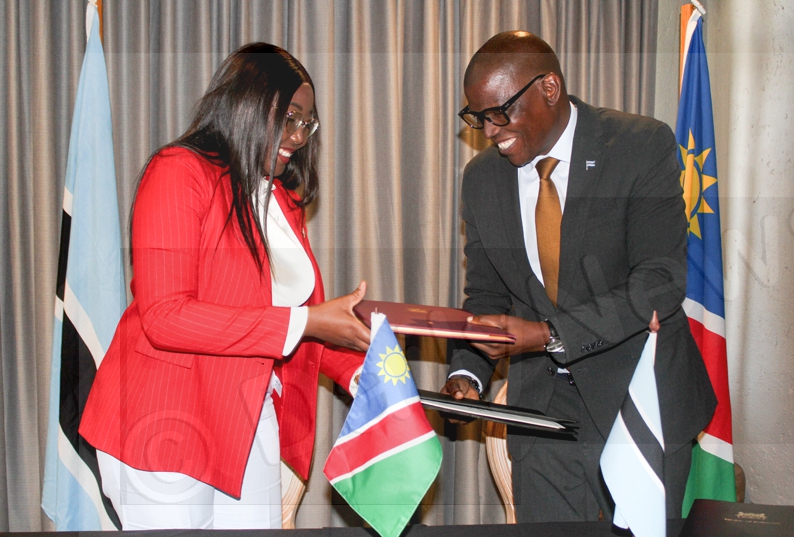
MoU to drive innovation and investment
10 Aug 2026
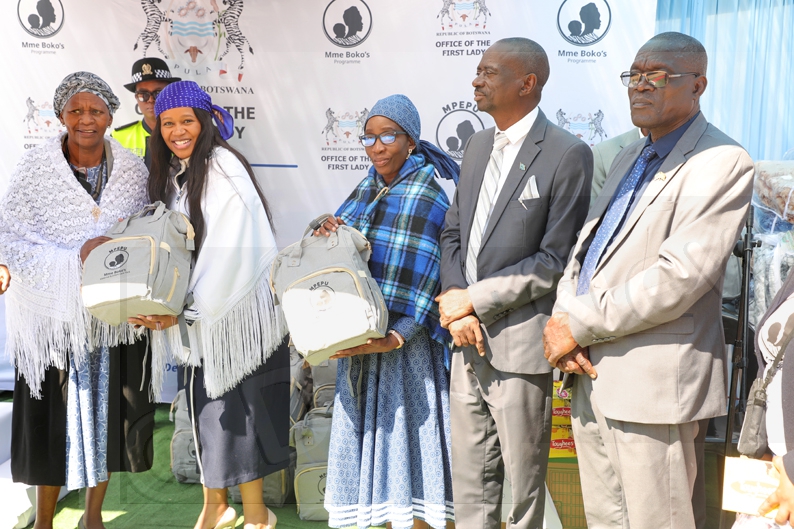
First Lady urges support for teenage mothers
10 Aug 2026
Gaolathe hails partnership for HIV response

10 Aug 2026