Elephant population grows
09 Sep 2013
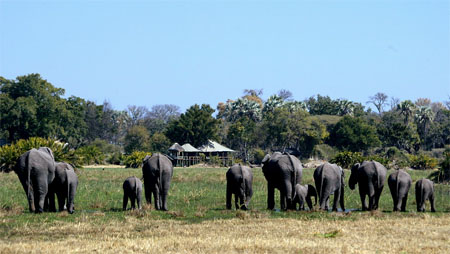
Results from the latest countrywide aerial survey indicate a significant increase in the elephant population despite fears that their population was dwindling.
Presenting the findings of the survey to stakeholders in Kasane on recently, deputy director in the Department of Wildlife and National Parks, Dr Cyril Taolo revealed that the survey indicates that the national elephant population stands at 207 545 concentrated in the Ngamiland, Chobe and Central regions.
“To manage wildlife populations, we need to know the number,” he explained. He emphasised that with such a big population of elephants the country needs to manage them carefully and monitor their impact on the environment as they pose a threat not only to the environment, but other species of animals and human life.
Though mainly found in the three regions mentioned, Dr Taolo said that elephants were now moving to areas that were not traditionally known for elephants such as the Southern part and areas such as Kweneng. Concerns were raised about the hunting ban and how this might cause the population of wildlife such as elephants to grow at uncontrollable rates.
However, Dr Taolo explained that hunting was not permitted to manage elephant population; it was introduced to benefit communities who live within wildlife areas. “As an example, we issued licenses for 400 elephants per annum, how much of a difference would that have on 200 000 plus elephants,” he argued.
He added that the hunting ban is only temporary to monitor decline of certain animal species. “Also hunting takes place only during the hunting season so it is seasonal,” he added. An elephant migration plan where a conducive environment is created in neighbouring countries to lure the elephants to cross over is one method that can be explored to manage elephants, he said. Dr Taolo explained that this would increase their range and reduce impact on environment.
Calls were also made to include predators in aerial animal counts as they also have a role to play in the concentration or the lack of herbivores in particular areas. Dr Taolo agreed that predators were in danger as they are often killed in the name of defence by members of communities.
This, he said, also linked to livestock which contributes to the population size of wildlife as there tends to be fewer livestock in wildlife rich areas and vice versa.
The survey also revealed that the national cattle population stands at around three million. The first nation-wide survey which cost government P3million also indicated that elephants are the most numerous in Botswana followed by gemsbok and impala. This survey was conducted between August and November 2012. ENDS
Source : BOPA
Author : Ludo Chube
Location : Kasane
Event : Stakeholder\'s meeting
Date : 09 Sep 2013
Related News

09 Jun 2026

09 Jun 2026
SARS cautions foreign motorists against scammers

09 Jun 2026
Labour agreement to strengthen workplace harmony
09 Jun 2026
Motsamai hails Werda for role in FMD fight
09 Jun 2026