Seretse Khama laying the foundation for modern Botswana

01 Jul 2019
The title of Botswana’s second president Sir Ketumile Masire’s memoirs, “Very Brave or Very Foolish” depicts the grim reality that faced the country’s leaders at independence.
History was going to either absolve them as very courageous for leading a highly underdeveloped state towards nationhood or judge them harshly for insisting on independence for an impractical state.
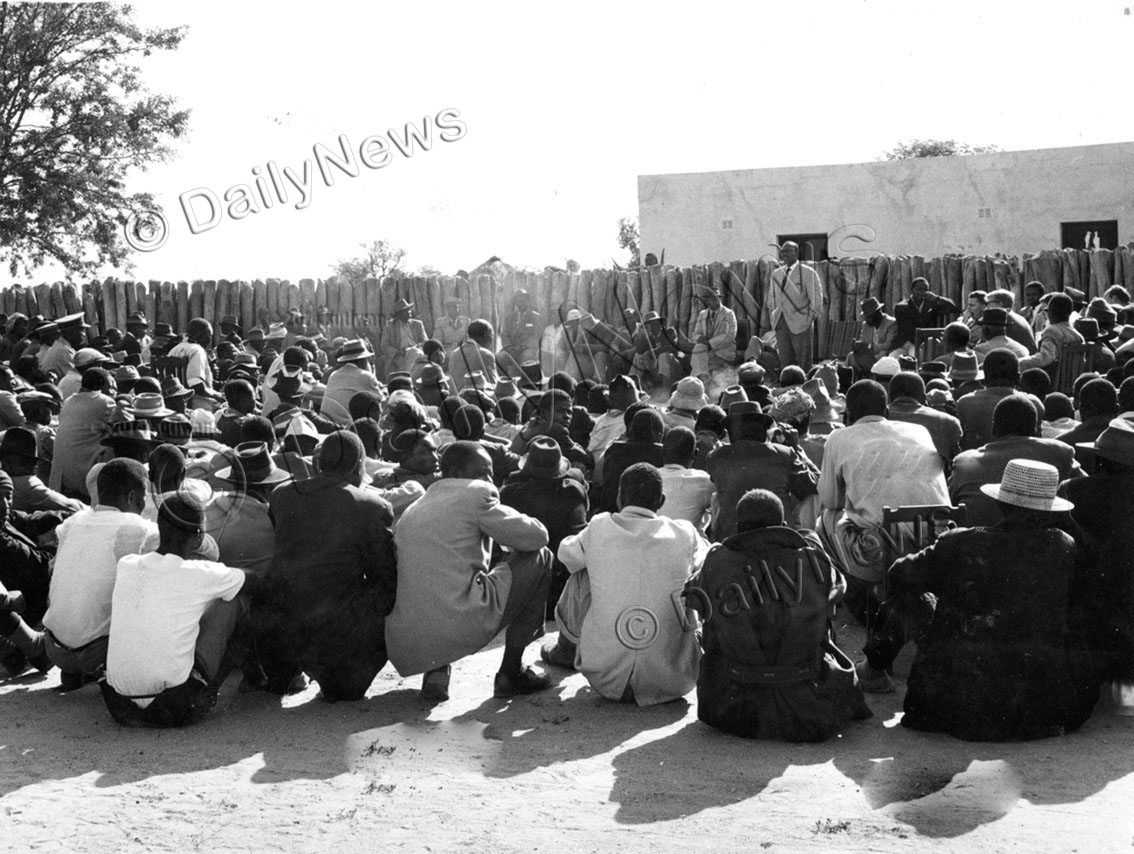
As the Union Jack was lowered at midnight on September 30 1966 to a swan-song rendition of God Save the Queen and the new blue, black and white flag ascended to the notes of KT Motsete’s Fatshe Leno La Rona, founding president Sir Seretse Khama led to independence a highly underdeveloped nation of peasant subsistence farmers and migrant labourers.
One of the country’s founding figures, former cabinet minister Dr Gaositwe Chiepe, believes it was not of mere happenstance that 53 years later Botswana is now a middle income democracy dreaming of upper income status- a solid foundation was laid from the beginning by the visionary leadership of Sir Seretse.
“The feeling from the British then had been that we were not ready to be independent, the country was too underdeveloped and lacked the resources to be self-sustaining,” Dr Chiepe recalls.
“But Sir Seretse was undeterred, was convinced that we needed to work on building Botswana, something he led us to do.”
In a period in history where the bulk of post-colonial African leaders pursued one party state political government and command economies, Sir Seretse and his government sustained a multiparty democracy and an open economy with a pragmatic mixture of state and private enterprise.
“I think it was in his nature to accept that all men are equal, and should all be given the chance to contribute to the development of their country. Also, Batswana traditionally had a give and take culture, and Sir Seretse was able to build on that as the country maintained multiparty democracy,” Dr Chiepe recalls.
Despite having suffered the humiliation of having been banished from Bechuanaland by the British in the 1950s, under pressure from apartheid South Africa, for his marriage to a white, British woman, Ruth Williams, Sir Seretse never undertook retaliatory politics.
“Our situation was different to that of our neighbours such as apartheid South Africa and Rhodesia (Zimbabwe) where people were oppressed by white minority regimes and had to wage wars of independence,” she states.
“In our case, we were a highly underdeveloped society and the British were not eager to stay on. So our path to independence was peaceful, and Sir Seretse did not see the need for radical politics. We had to be moderate and soberly think of the best ways to develop our country,” Dr Chiepe adds.
After the discovery of diamonds after independence, the country gradually took steps towards being economically independent, and although Botswana became a middle income state much later, the foundation for the broad based development.
“Diamonds were first discovered in Orapa, in the Central District, under the tribal jurisdiction of the Bangwato Tribal Authority. Despite being from the Bangwato royal family, Sir Seretse strongly believed that mineral revenue should be used for the benefit of Batswana as a whole. So natural asserts of the country were exploited to fund development project across the nation,” Dr Chiepe recalls.
Unlike in many other developing states which faced the ‘resource curse’ quandary of civil and ethnic strife following the discovery of minerals, Botswana was able to invest in roads, schools, clinics, electricity and portable water countrywide, amenities which were sorely lacking at independence.
Through prudent fiscal management Botswana was also able to finance her own budget at a period in history where most African countries became mired in debt and had to rely on donor support to finance their budgets.
“We had various experts coming in to advise us and we worked on making sure the country becomes more involved in its economic life. For example when we started diamond mining, the resource would be taken outside the country directly after being mined. But we gradually started sending our people to study diamond sorting and valuing and the partnership between De Beers and the government, Debswana also came about,” Dr Chiepe notes.
Guiding a country that was almost wholly surrounded by white minority regimes; apartheid South Africa, South West Africa (Namibia) and Rhodesia (Zimbabwe), with the small stretch of borderline with Zambia the only outlet to independent Africa, Sir Seretse still had to pragmatic approach to regional relations.
“He was very angry when incidents such as the Lesoma Massacre (the killing of 15 Botswana Defence Force soldiers by Rhodesian forces in 1978) occurred. But he knew we were no match for these giant neighbours militarity, so he was very cautious. While we accepted refugees from these countries, and criticized their oppressive government in international platforms, we could not wage war with them,” Dr Chiepe recalls.
At a personal level, Dr Chiepe says Sir Seretse a person she knew from childhood was a down to earth person, who remained friendly even when he assumed the reigns of head of state.
“Even as president he would go out, watch football, or play himself. I remember one instance when I was the only woman in the cabinet team playing as a centre forward against members of parliament,” Dr Chiepe recalls with a chuckle.
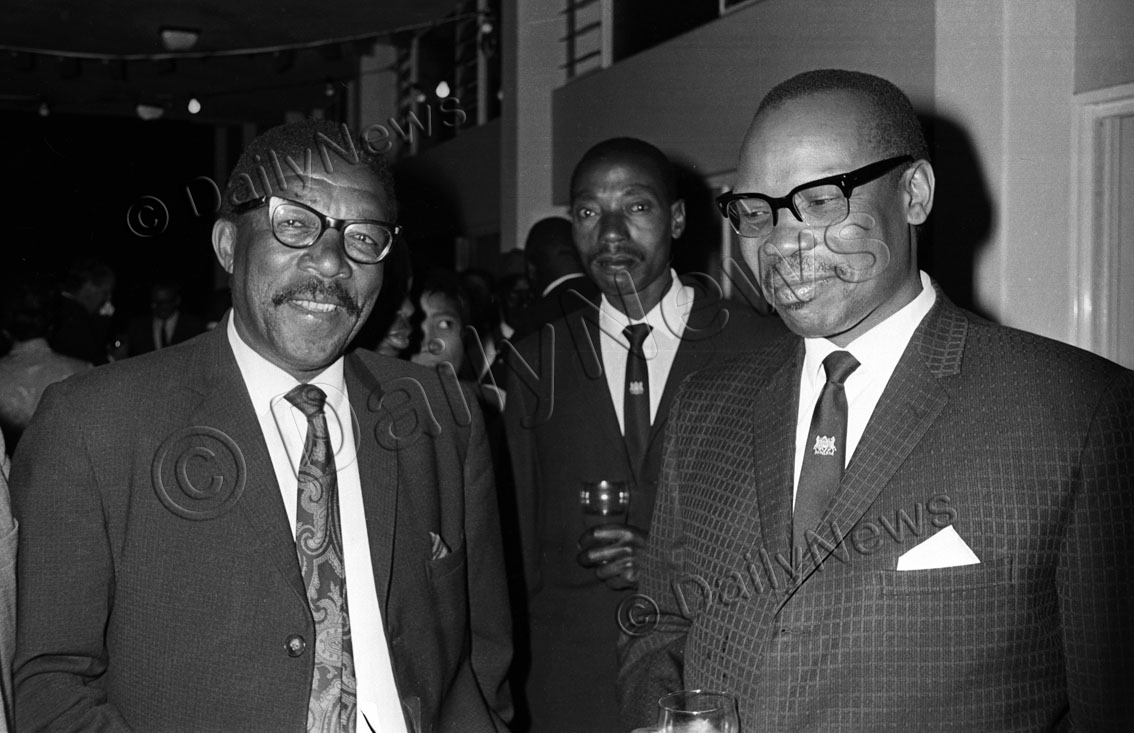
The policy choices made by Sir Seretse and those he worked with in government, including national luminaries such as Sir Ketumile, Dr Chiepe, Moutlakgola Nwako, Archie Mogwe as well as opposition leaders such as Philip Matante, Dr Kenneth Koma and Motsamai Mpho who contributed an alternative vision that enriched the democratic discourse in parliament, the country laid a solid foundation based on the national values of democracy, development, unity, self-reliance and botho. ENDS
Source : BOPA
Author : Pako Lebanna
Location : GABORONE
Event : FEATURE
Date : 01 Jul 2019
Related News

15 Aug 2026
15 Aug 2026