


Tobacco use exacerbates poverty - WHO official
29 Jul 2018
Tobacco smoking imposes a heavy economic burden on national economies through increased health care costs and decreased productivity.
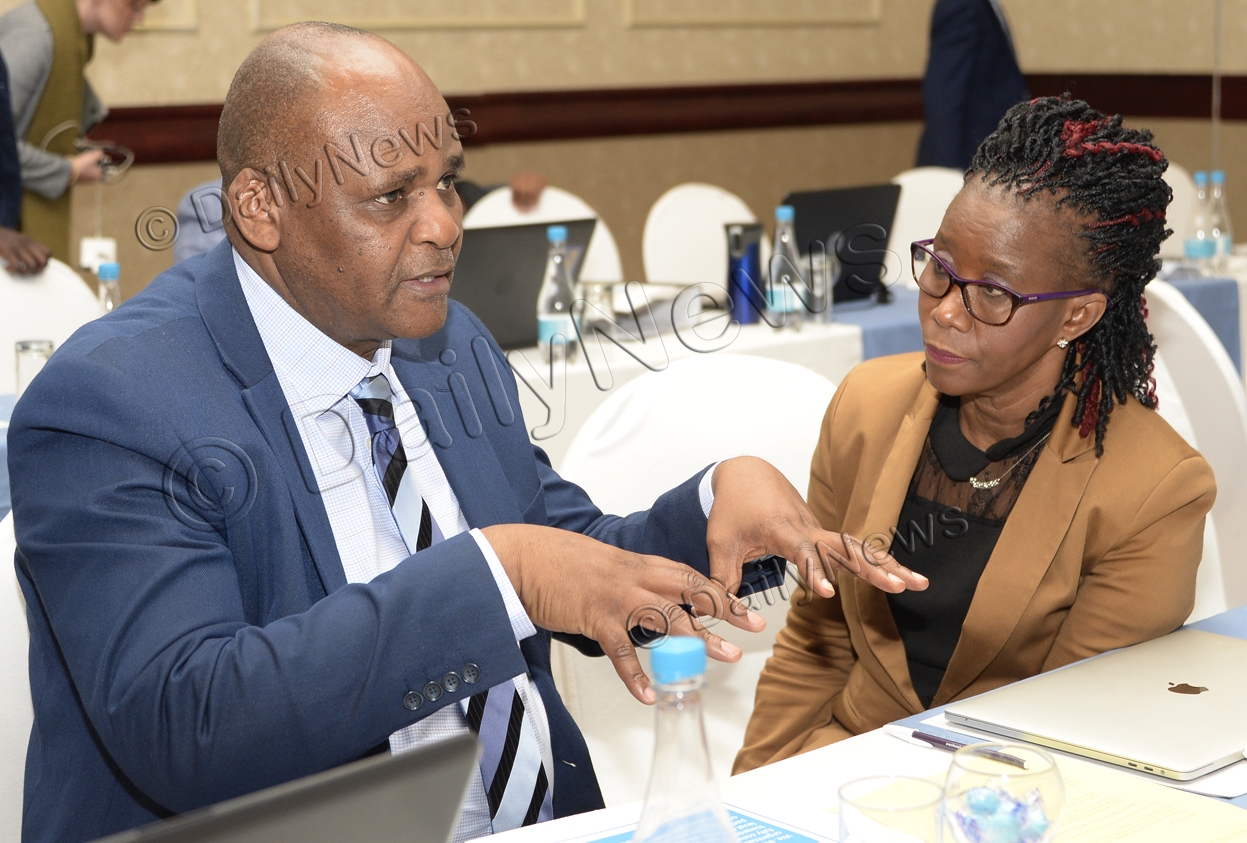
World Health Organisation (WHO) Tobacco Focal Point, Mr Moagi Gaborone said this during the Situational Analysis of Tobacco Control workshop in Gaborone recently.
Mr Gaborone said “tobacco use worsens health inequalities and exacerbates poverty as the poorest of the poor spends more on it and less on essentials such as food, education and health care”
Tobacco control is cost-effective, saves lives and all countries can benefit from successfully controlling the tobacco epidemic by protecting their population from the harms of tobacco use and reducing its toll on national economies, he noted.
He said that in the African Region, about 146 000 adults aged 30 years and above die every year from tobacco related diseases and up to half of all tobacco users would die prematurely from tobacco-related causes.
He added that tobacco users lose 15 years of their life expectancy resulting in them dying earlier and younger.
“This makes tobacco use one of the leading preventable risk factors for non-communicable diseases, particularly cardiovascular diseases and cancer, while it remains a threat to any person regardless of gender, age and race, cultural, educational or social background,” he said.
Furthermore, he said, “Tobacco is a poison and has the dubious distinction of killing and maiming its consumer even as they follow instructions on how to consume or use it,” he said.
According to Mr Gaborone, tobacco is neither an essential commodity nor food item as it adds no value in one’s life but subtracts about 15 years of the smoker’s life expectancy at the same time draining money.
Mr Gaborone said globally, tobacco kills more than 7.2 million people per year with over 80 per cent of smokers coming from low and middle-income countries.
He noted that it accounts for about 12 per cent of all adult’s deaths, 14 per cent of non-communicable deaths, 7 per cent of tuberculosis deaths and 12 per cent of lower respiratory infections.
On the other hand, Mr Gaborone said evidence showed that in Africa, the cost of healthcare from tobacco smoking is estimated at 3.5 per cent of the total health expenditure each year.
Executive director of Anti-Tobacco Network Dr Bontle Mbongwe said ‘there is no budget dedicated for tobacco control.’
Dr Mbongwe said that during a survey that was conducted recently, over 70 per cent of the respondents were aware of the existence of Control Smoking Act, but many of them were not aware of the content of the law.
In terms of constraints, Dr Mbongwe said that there was no financial or political will, no human resources or administration support. ENDS
Source : BOPA
Author : Goweditswe Kome
Location : GABORONE
Event : Workshop
Date : 29 Jul 2018
Related News

18 Aug 2026
Government Commits To Electoral Reform

18 Aug 2026
Sincerity The Key to Lasting Friendship
18 Aug 2026