SADC ready to tackle Zika virus
16 Mar 2016
Southern African Development Community (SADC) is ready to fight the Zika virus.
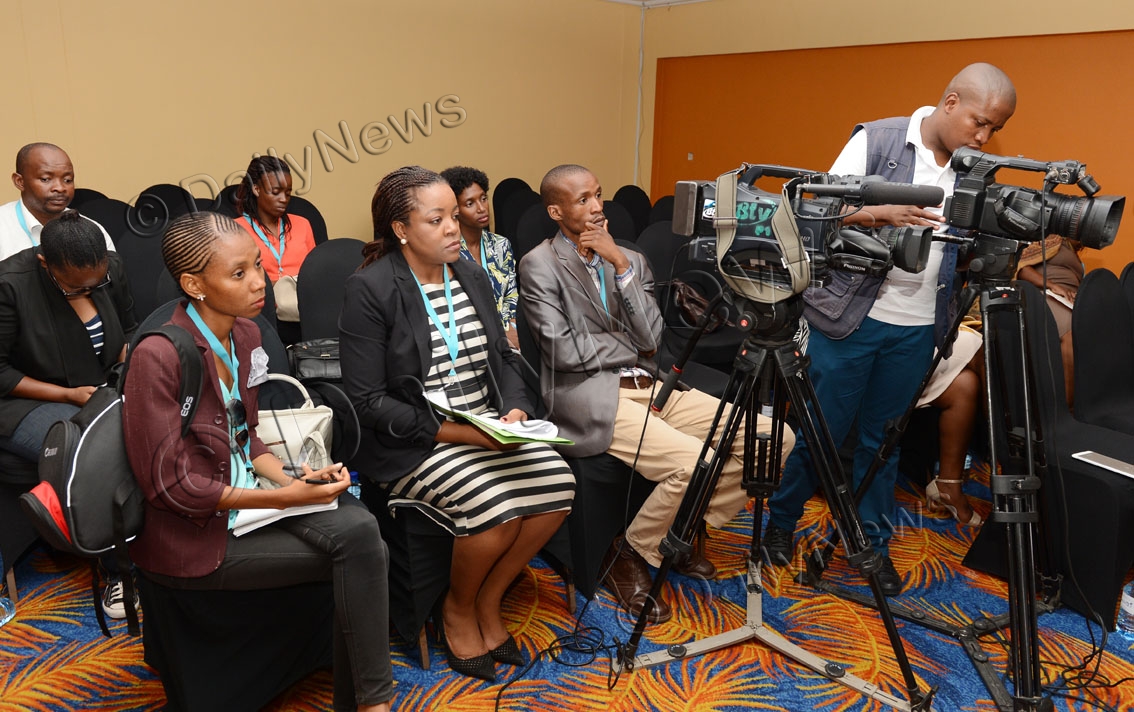
Speaking at a press briefing in Gaborone on Monday March 14, Health and Pharmaceuticals’ senior programme officer at the SADC secretariat, Mr Joseph Mthetwa, said all systems were in place in case of Zika virus spread in any SADC country.
Mr Mthetwa said health departments in various countries were ready to fight the virus.
He said health authorities, the SADC secretariat, together with other stakeholders had been working around the clock to strengthen capacity in risk communication to help member states meet their commitments under the International
Health regulations (IHR) such as enhancing surveillance of the Zika virus and disorders that could be linked to it.
Regarding the status and risk of Zika in the SADC region, Mr Mthetwa said, even though a Colombian man was the first recorded case of the mosquito borne Zika virus in South Africa, the health authorities dispelled public fears regarding the spread of Zika.
He further said the Ministry of Health in conjunction with World Health Organization (WHO) country office weree on guard in monitoring all entry points for any transmission threats.
Mr Mthetwa reiterated that the Zika virus was not new because the mosquito-borne virus was first identified in Uganda in 1947.
He also stated that around 1.5 million people in Brazil had been infected in eight months and 14 countries across South and Central America, including Barbados and Mexico. Giving a background on the virus Mr Mthetwa stated that Zika virus disease was caused by a virus transmitted through the bite of an infected mosquito Aedes aegypti mosquitoes.
He said although the Zika virus rarely killed human beings, the virus remained in the blood of an infected person for about a week.
He said symptoms were similar to other arbovirus infections such as dengue and included fever, skin rashes, conjunctivitis, muscle and joint pain, malaise, and headache saying the symptoms could be cured.
Mr Mthetwa said the Zika virus disease was relatively mild and required no specific treatment, saying there was no vaccine available. He said the best form of prevention and control relied on reducing mosquitoes through source reduction and reducing contact between mosquitoes and people.
He urged people to clean flower pots as they were a breeding site, used tyres and roof gutters to reduce the density of mosquitoes in their locality.
Mr Mthetwa said, as mosquitoes and their breeding sites posed a significant risk factor for Zika virus infection, the public should divert to using insect repellent regularly, wearing clothes that covered as much of the body as possible, using physical barriers such as window screens, closed doors and windows.
He also asked travellers especially expectant women to take basic precautions measures to protect themselves from mosquito bites.
He highlighted that the biggest concern was mothers to be who had been infected by Zika virus, saying that could affect the foetus and have babies born with microcephaly condition. He said the infection is suspected of leading to thousands of babies being born with underdeveloped brains. Ends
Source : BOPA
Author : Lesedi Thatayamodimo
Location : Gaborone
Event : Press Brief
Date : 16 Mar 2016
Related News

18 Jun 2026

18 Jun 2026
Learners commemorate Day of the African Child

18 Jun 2026
LESABO project to address water scarcity

18 Jun 2026