Botswana has potential for rural banking
08 Feb 2016
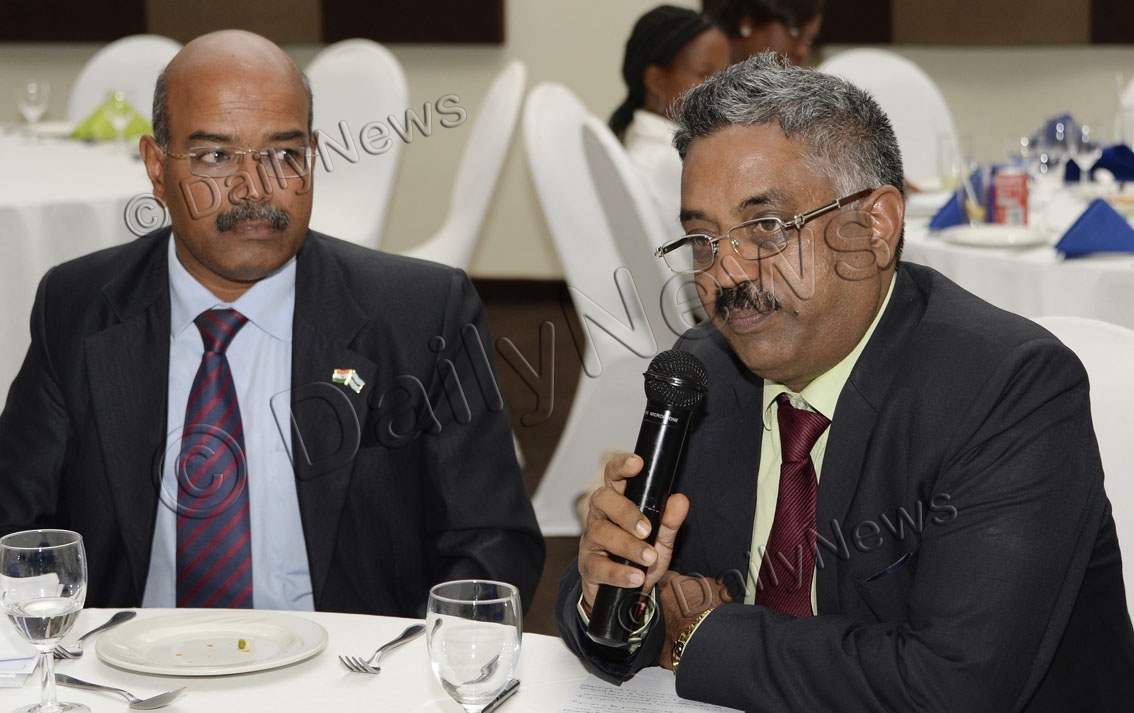
There is a vast untapped scope for taking banking facilities to rural areas, which can also help to promote financial inclusion in these areas, acting Indian High Commissioner, Mr Chellappan Gurusubramanian, has said.
Mr Gurusubramanian said this when delivering welcome remarks at an interactive session on the development of rural banking in Botswana organised by the Indian High Commission in association with RSM, one of the top consultancy and audit firms in Botswana last week.
Apart from mining, he said beef exports were among the major contributors to the economy.
This “is where the experts gathered from both our countries can discuss and suggest ideas for expansion of rural banking and benefit Batswana, as rural banking is mainly focused on the agricultural sector,” said Mr Gurusubramanian.
The session, which was attended by stakeholders in the banking and financial institutions who have local expertise, served as a platform for exchanging ideas and experience in rural banking. The event was also meant to pave way for advancing rural banking in Botswana.
The managing directors of the three Indian banks operating locally namely; Bank of Baroda Botswana, Bank of India Botswana and State Bank of India Botswana attended the event to share their knowledge, as they are major players in rural banking in India and possess tonnes of experience.
Sharing his expertise in rural banking, the managing director of State Bank of India, Mr Pramod Pal, who was also the programme anchor, said access of different segments of society to financial resources was uneven in Botswana.
This, he said, needed to be addressed as access to financial services would lead to increased economic activities and employment opportunities for rural households with a possible multiplier effect on the economy.Making the rural poor financially literate, Mr Pal said, might help to fill up the currently existing gap in knowledge of managing finance.
“The financially literate rural citizen would not be exploited by money lenders and chit funds companies,” he said.
The delivery mechanism of affordable services, he said, were being supplemented through brick and mortar branches, ultra small branches, automated teller machines, cash at POS and business correspondents.
Access to financial resources, Mr Pal said, was a basic requirement for earning a livelihood and essential for development of human resources, adding that “the availability of adequate financial resources was of critical importance in the development of individuals, as well as nations.”
Furthermore, he said banks should be encouraged to open branches in rural areas for rural development and financial inclusion of people residing in those areas.
India, he said, was an example to the world for making rural banking networks successful. Rural banking, he said, promoted financial inclusion, which in turn helped to extend benefits of formal organised financial and banking institutions to all sectors of society, giving particular attention to the disadvantaged segments.
Lack of financial institutions in rural areas, Mr Pal said, posed challenges of saving among people living in such areas. Therefore, he said rural banking, if provided through tailor made banking products for people residing in such areas, would help to encourage financial inclusion for them. Ends
Source : BOPA
Author : Lorato Gaofise
Location : Gaborone
Event : Interactive session
Date : 08 Feb 2016
Related News

18 Jun 2026

18 Jun 2026
Learners commemorate Day of the African Child
18 Jun 2026
LESABO project to address water scarcity

18 Jun 2026