

Cabinet to decide on Bayeyi issue

04 Jan 2016
The Minister of Local Government and Rural Development, Mr Slumber Tsogwane has said consultations in the Bayeyi matter to be recognised as a tribe have been completed.
Addressing the Bayeyi in Gumare recently, Minister Tsogwane said the issue was handed to the Attorney General who would then advise before it is passed to cabinet for a final verdict.
Minister Tsogwane therefore promised Bayeyi that the outcome would be delivered in March.
He said the meeting was purported to inform the people on the developments on the matter as was promised in the previous meeting.
The minister pointed out that the issue of recognition of Bayeyi comes from afar and he was aware that the people desired a conclusion to the matter.
He said the intention was to bring solution to all pending matters in the Ministry of Local Government and Rural Development.
Mr Tsogwane noted that the issue of recognition of Bayeyi was influenced by Bogosi Act of 2008, which was an amendment to the former act.
However, minister Tsogwane pointed out that there were steps and regulations, which needed to be followed for the matter to be completed.
He said he had the last consultation with Bayeyi in the central region since the former ministers had carried out consultations with the Bayeyi in Ngami, Boteti and Chobe.
Minister Tsogwane said the final verdict would be influenced by the history of the people and the composition of the tribe.
He therefore said findings from the consultations were presented to the Attorney General, to assess and pass to cabinet for a final say.
During comments, Bayeyi appreciated the ministers’ feedback, although they said they were disappointed since they expected a conclusion.
One Gumare resident, Mr Motamedi Moqhwa encouraged his fellow tribesmen to have patience and cooperate as Kamanakao Association has a strong voice.
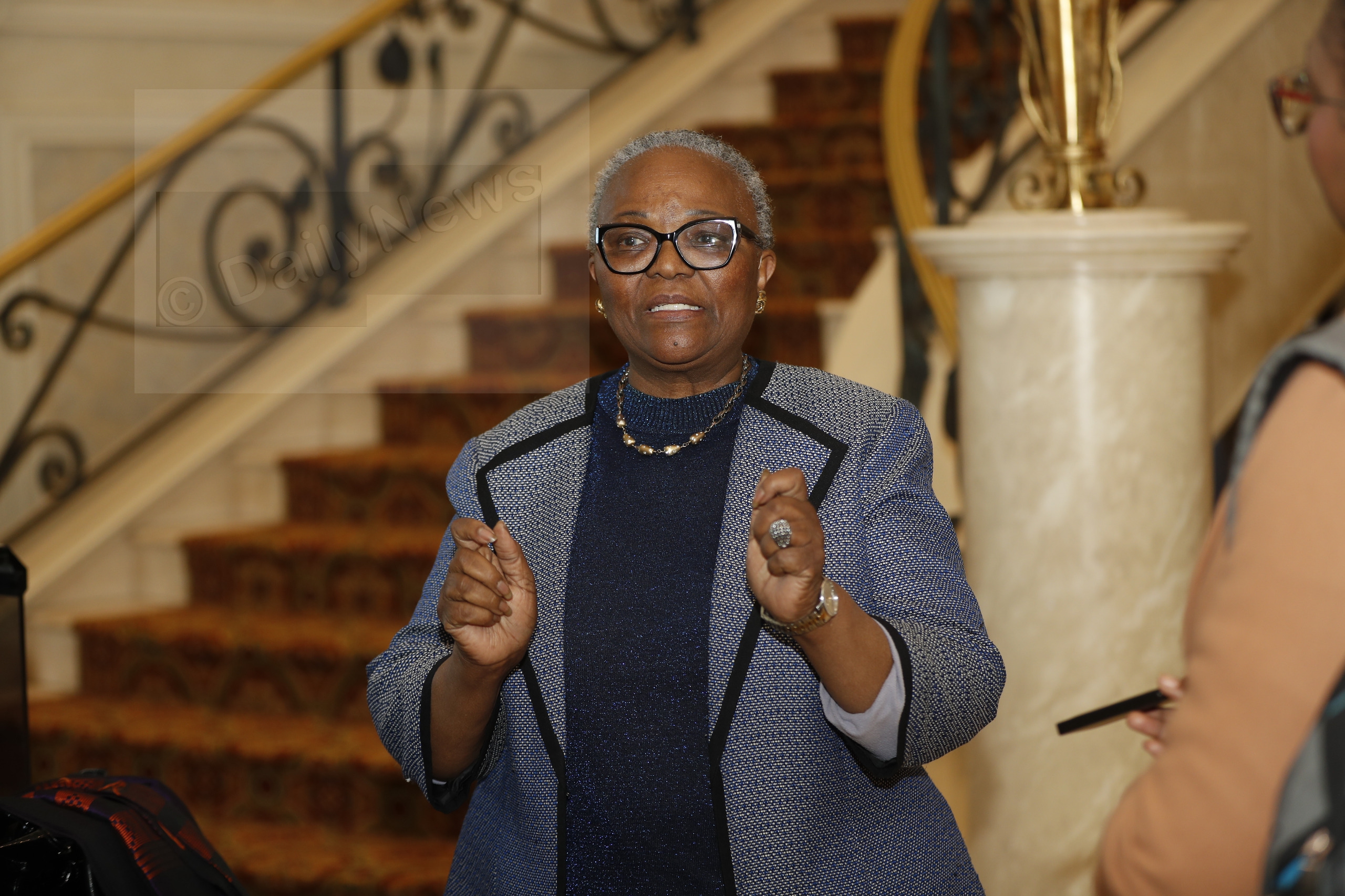
For her part, Professor Lydia Nyati-Saleshando of Kamanakao Association said Bayeyi desired to be recognised, to have a jurisdiction, a capital village, a chief and their language to be introduced in schools.
Professor Nyati-Saleshando said Bayeyi matter over recognition dated back to 1938 following a population census in 1937, in which some Bayeyi were identified as Batawana.
She said the first case against government was in 1948, which favoured Bayeyi and led to establishment of tribal wards of Bayeyi such as Boyeyi ward in Maun.
Professor Nyati-Saleshando said the Bayeyi ultimately formed the Kamanakao Association in 1995, which challenged government in 1999 and led to the amendment of the Bogosi Act in 2008.
She said currently their kgosi was Kgosi Malepe Wuuzuu and deputised by Kgosi Jacob Seidisa, noting that historically, Bayeyi were said to have come from Democratic Republic of Congo and some later settled in Namibia.
Due to the Ndebele wars, they came to Botswana through water channels, hence they are commonly known as the river people.
She said some came through Kaprivi at a place called Diyeyi through Chobe while some entered Ngamiland through Shorobe and Nokaneng.
Professor Nyati-Saleshando said their forefather was known as Matsharatshara in one of the groups, which came to Ngamiland.
She said the last group was in the 1850s and their mode of transport was canoes as the common inventors of the equipment. ENDS
Source : BOPA
Author : Kedirebofe Pelontle
Location : GUMARE
Event : Kgotla meeting
Date : 04 Jan 2016
Related News

21 Jun 2026

18 Jun 2026
Commission targets youth empowerment

18 Jun 2026
Countries commit to partnership

18 Jun 2026