Makgalemele calls for speedy implementation
21 Sep 2015
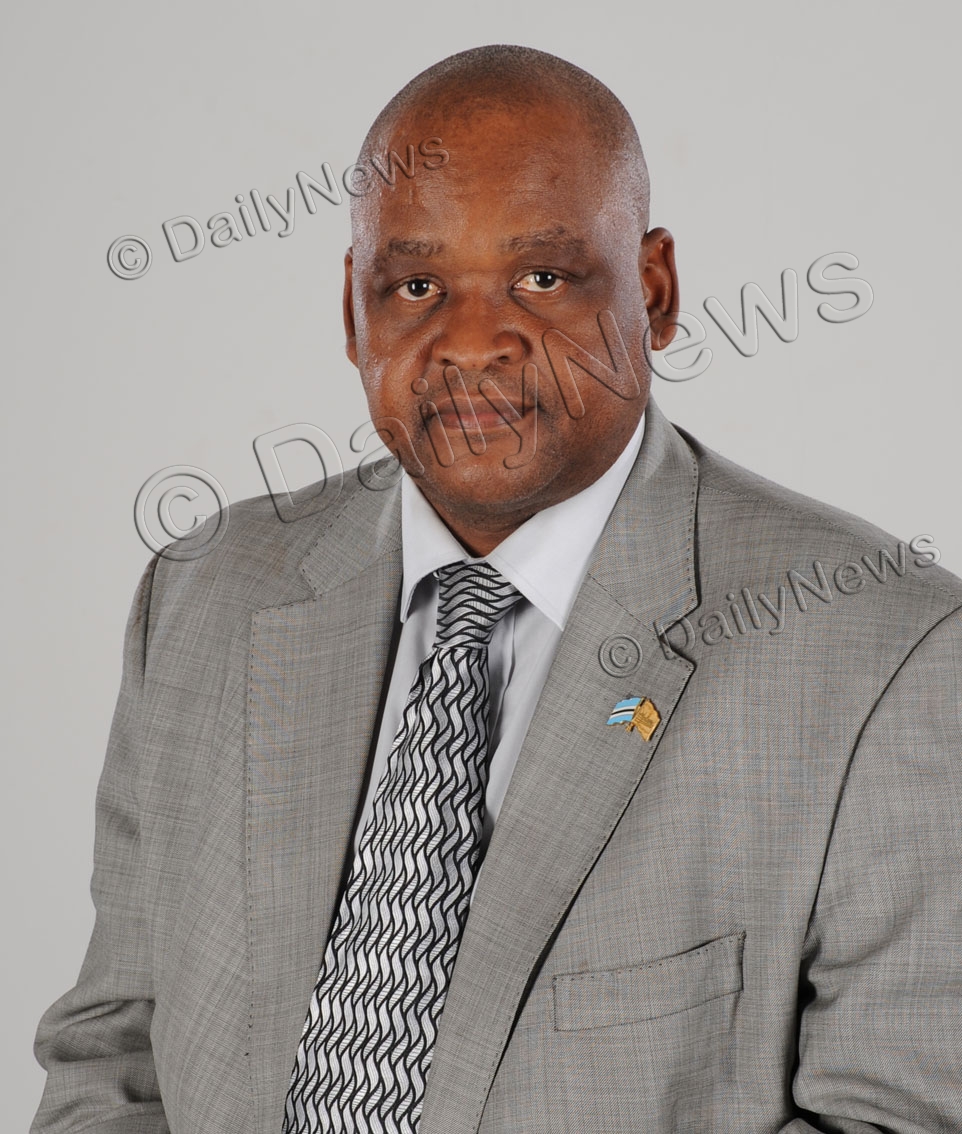
The Assistant Minister for Presidential Affairs and Public Administration, Mr Dikgang Makgalemele, has suggested interventions to speed up implementation of the poverty eradication programme. He made this call when addressing Selebi Phikwe council recently.
He implored councillors and staff to work as a team to eradicate both abject and relative poverty as well as unemployment in every ward of the mining town.
He explained that his office had established that implementation of the poverty eradication programme in all districts was facing setbacks.
He said beneficiaries were still awaiting to receive funding or materials to pursue their projects, while some were waiting to go for training on projects they were due to pursue. Mr Makgalemele said government introduced more than 45 empowerment programmes that should be put in practice to sustain the livelihoods of beneficiaries.
By the end of March 2017, he said, abject poverty should be overcome and that by end of next month the council should halt registering new project requests.
The town council, Mr Makgalemele said, should strive to implement projects that were in the pipeline. He urged councillors to advise the community not to engage in the non-marketable businesses.
“Councillors, officials should come up with solutions to tackle this problem for smooth implementation of the programme to eradicate poverty,” he said, adding that solutions to problems experienced in the assessment, training, procurement, funding and monitoring of beneficiaries projects should be put in place.
Mr Makgalemele said government was in the process of coming up with ways to curb unemployment challenges.He said lack of jobs among Batswana might lead to people falling into ‘relative poverty’ and if nothing took place to rescue them, they might slide down to abject poverty and rely on government for handouts.
Meanwhile, the Selebi Phikwe Town Council chief social and community development officer, Mr Mogorosi Kokoro, said the town council had spent a total amount of P4 514 897.19 on the implementation of 411 projects.
He said out of this number, 257 projects were operational, 152 were non-operational while two failed. He noted that some of the interventions that could be put in place to mitigate the slow implementation of projects included setting up a poverty eradication unit.
Furthermore, he said a national database should be developed for all beneficiaries to address double dipping or beneficiaries benefiting twice in programme as it happened before.
“A poverty eradication strategy to adopt a sustainable livelihood approach to facilitate the spirit of ownership among beneficiaries resulting in sustenance of projects, must be setup, “he said.
Mr Kokoro also mentioned that there was need to attach horticulturists to districts so that they could give professional advice on horticulture projects and improve output.
“We also must consider engaging Village Development Committees in the monitoring process of projects and to address issues relating to relocation of beneficiaries,” he said. When coming up with some ideas of the solutions on how to solve the backlog of poverty eradication projects, deputy mayor, Mr Molefi Pilane who is also a Sesame South councilor, suggested that beneficiaries should be teamed into units or form cooperatives.
He said in that way giving projects to groups rather than individuals would make the implementation to be faster.
Councilor for Bontleng, Ms Dorcus Letlhogela, noted that if the Local Economic Development Committee had an office where it operated, it could have been easier to fully assist in the implementation of the poverty eradication programme to avoid backlogs.
The Selebi Phikwe deputy district commissioner, Mr Opelo Modimoopelo, suggested that each district should be allocated funds specifically for the programe projects. Ends
Source : BOPA
Author : Tshepo Mongwa
Location : Selebi Phikwe
Event : Council meeting
Date : 21 Sep 2015
Related News
09 Jun 2026
09 Jun 2026
SARS cautions foreign motorists against scammers

09 Jun 2026
Labour agreement to strengthen workplace harmony
09 Jun 2026
Motsamai hails Werda for role in FMD fight
09 Jun 2026