

TB remains opportunistic disease
19 Mar 2013
As Tuberculosis (TB) per capita in Botswana remains among the highest globally, health authorities are calling for a comprehensive TB/HIV collaborative response.
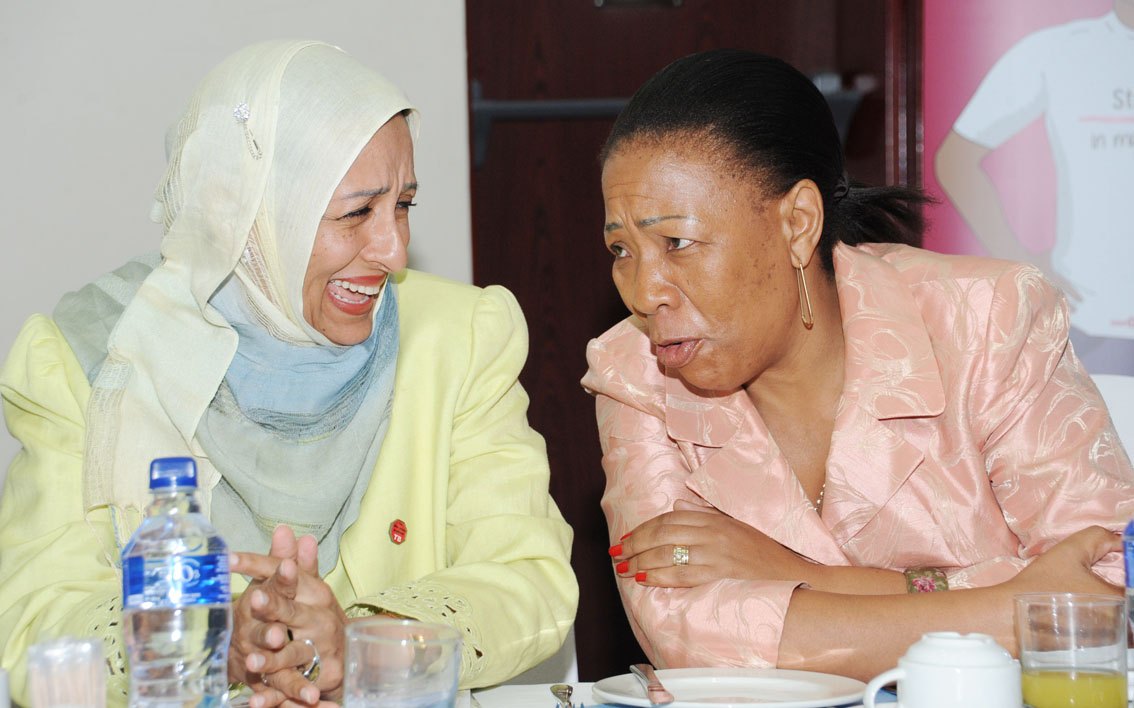
Acting Permanent Secretary in the Ministry of Health, Ms Shenaaz El Halabi said at a press briefing in Gaborone that 64 per cent of TB patients were co-infected with HIV.
Ms El Halabi said in 2011, close to 7 000 cases of TB were reported across the country and that the estimated rate of new episodes of TB or incidence in 2011 was as high as 455 cases per 100 000 inhabitants.
“Undoubtedly, this is too high in comparison to rates elsewhere, and is close to four times the global equivalent,” she said. She said TB remains the most significant opportunistic infection among people living with HIV, who have 10 per cent annual risk of developing TB compared to a 10 per cent lifetime risk among those who are HIV negative.
Ms El Halabi said drug resistant forms of TB were emerging concerns complicating response efforts as each year there were 100 new cases of multi drug resistant TB across the country.
“Regrettably, development of any form of TB drug resistance is a consequence of lapses in our control efforts, and most importantly any undue interruption in treatment for any reason,” she said.
This, she said underpins the need for more integration in the response to more than two thirds of patients who are co-infected with HIV.
Meanwhile, WHO Country Representative, Dr Eugene Nyarko said progress in TB control has numerous challenges such as lack of access to TB medication in many parts of the region, lack of knowledge and information about TB that can lead to stigma and discrimination, thereby delaying diagnosis and treatment.
He said other challenges result from misunderstanding and myths surrounding TB including the belief that TB was not treatable especially TB in relationship with HIV in some communities across the developing world.
He said funding for TB has also declined over the years, even though the interventions available are known globally to be very cost effective. Dr Nyarko said: “There is need to mobilise all relevant stakeholders to come together in order to address these challenges and we can make more progress if we come together that way.I believe the media is a very critical part of the jigsaw puzzle to address the TB epidemic."
Media intervention is very critical as it can be considered a social barometer and a social eliminator as they are influencers of public action and opinion,” he said. World TB Day commemoration is scheduled for March 24 in Maun. ENDS
Source : BOPA
Author : Mmoniemang Motsamai
Location : GABORONE
Event : Press Briefing
Date : 19 Mar 2013
Related News

21 Jun 2026


18 Jun 2026
Commission targets youth empowerment

18 Jun 2026
Countries commit to partnership

18 Jun 2026