

AEVVMI Joint Venture discovers 'human remains'
15 Mar 2013
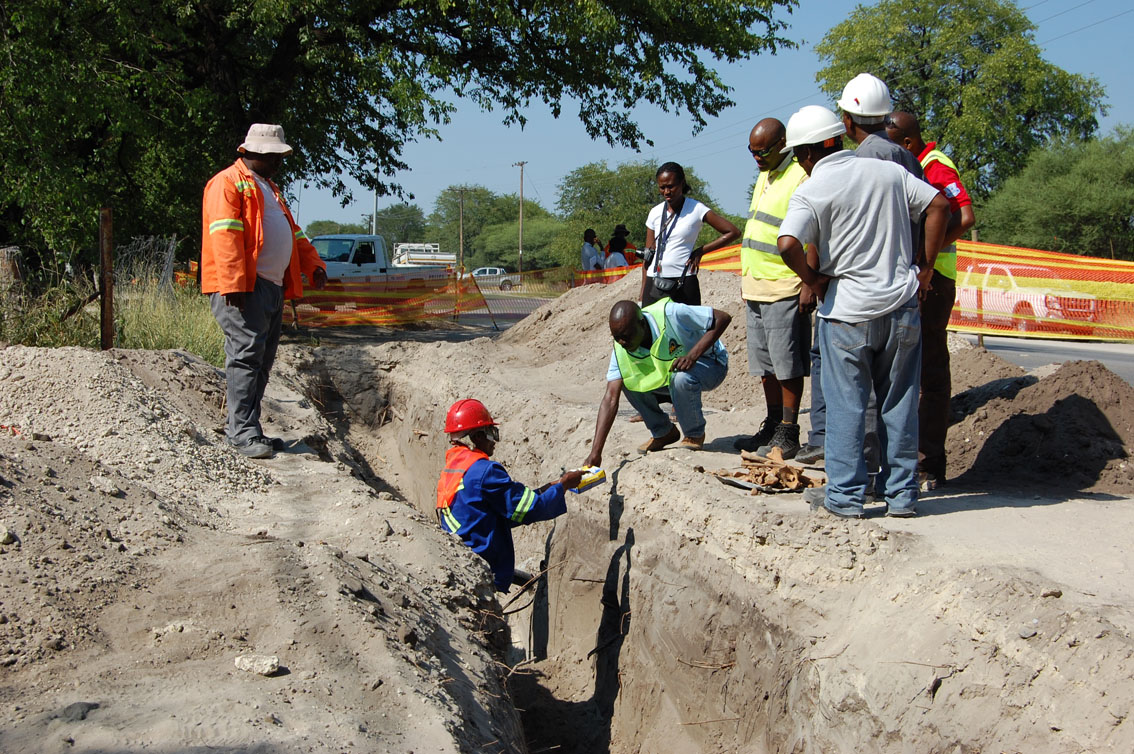
AEVVMI Joint Venture, a company constructing the Maun Water Treatment Plant near the Old Maun General Hospital, has discovered bones suspected to be of a human being.
Water affairs principal water engineer, Mr Gabalemogwe Moanakwena, said in an interview that the bones were discovered a distance of about one kilometre from the plant, where they were excavating a water pipeline to Shashe pump station.
“We contacted the police and Maun Museum as the two could help with the action to be taken in connection with such bones,” said Mr Moanakwena.
He further said police came to the scene and took the bones with them for pathological investigation to establish if indeed they were human beings remains.
In trying to trace how the remains could have ended up there, headman of Bombadi Ward, Kgosi Mauricio Bendu said there were cemeteries around the place where the bones were discovered.
He said the cemetery came about in 1960 as a result of a disease out break in Ngamiland District, which was mostly affecting the Baherero tribe who were relocating from Namibia.
Kgosi Bendu said since there were no mortuaries by then, those who died were instantly buried through the help of Botswana prisons inmates.
According to Kgosi Bendu, during those years, the area around Motor Parts Sales shop commonly known as Muslim in Maun was bushy and it was believed that the deceased people were buried in the bush as there was no anticipation of any future developments at the area.
He added that as the ward leader, he was not consulted about the water treatment plant and maybe he could have advised about the cemeteries. “This is the first incident for suspected human being remains to be excavated in this area” added the headman.
Meanwhile, Maun police station commander, Superintendent Kenny Badumetse concurred with Kgosi Bendu, that according to elders residing next to the old hospital, there were cemeteries around the affected areas.
"These were made after the outbreak of the deadly disease around 1944 and 1960s in Ngamiland," he said.
He further said if AEVVMI Joint Venture continued digging approximately 1.5 metres deep, there was a possibility of discovering more bones. ENDS
Source : BOPA
Author : Molefi Manyepedza
Location : Gaborone
Event : Interview
Date : 15 Mar 2013
Related News
21 Jun 2026

18 Jun 2026
Commission targets youth empowerment
18 Jun 2026
Countries commit to partnership
18 Jun 2026