



Human-wildlife co-existence possible
16 Oct 2014
Ownership of the human wildlife co-existence project by the affected community can help minimise human wildlife conflict.
Kalahari Conservation Society (KCS) public relations and marketing officer, Ms Chanana Ntsomeng said if communities owned the projects, they would adopt project interventions and share success stories as well as proper implementation of intervention methods.
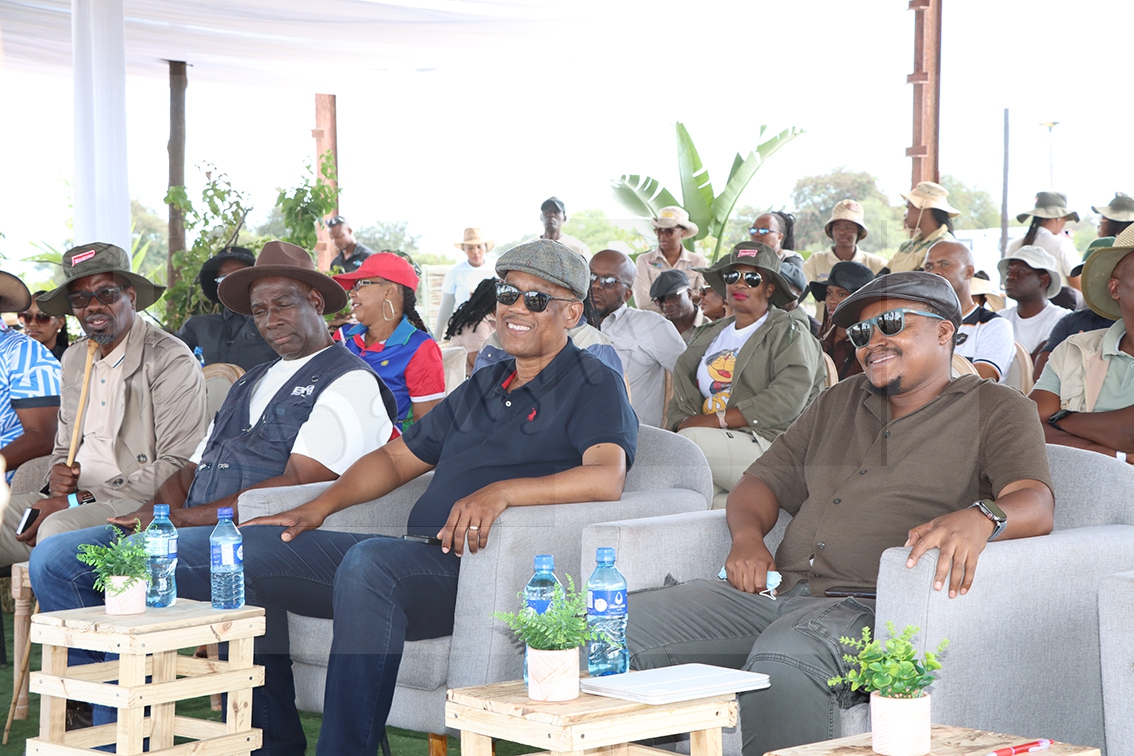
Speaking at the Northern Botswana human wildlife coexistence project workshop in Maun on Tuesday 14, Ms Ntsomeng said the ownership of such projects by the communities were vital.
For his part, the senior wildlife biologist at the Department of Wildlife and National Parks, Mr Mpho Nthomiwa said the project had visible results so far since youth from the affected communities had graduated and were employed in the tourism industry.
However, Mr Nthomiwa said that it remained a challenge for communities to live with wild animals peacefully although that was the aim of the Northern Botswana human wildlife co-existence project funded by World Bank.
The five year project which will end in 2016 introduced methods such as the use of chilli pepper fencing to protect farms from elephants, the use of chilli cloth at kraals and the use of guard dogs to obstruct wild animals.
Some members of the committees from the Okavango sub district lamented that the chilli cloth method was affected by rain and became ineffective.
They said the elephants continued to destroy their farms despite the use of chilli method and called for the building of an electric fence to deter elephants.
The project coordinator, Ms Maipelo Mojalemotho encouraged pastoral farmers not to give up on the methods but to maximise efforts by regularly adding chilli to the cloths to make it effective.
Ms Mojalemotho said the project aimed to foster a relationship for people to live with wildlife instead of killing them, for future generation.
KCS which is involved in the communication strategy of the project uses other methods such as theatre to raise public awareness, she said.
The Ghetto artist theatre group performed a play for the Kumaga settlers which raised mixed reactions from the audience as some people said the chilli methods worked to a certain extent only. ENDS
Source : BOPA
Author : Kedirebofe Pelontle
Location : MAUN
Event : Workshop
Date : 16 Oct 2014
Related News


07 Apr 2026
Nip Workplace Bullying In The Bud
07 Apr 2026
Kelebeng Appreciates Namibia Support
07 Apr 2026