


BCL smelter refinery plant to lessen costs
03 Aug 2014
Plans are underway at BCL Limited to build a copper smelter and refinery plant in Selebi Phikwe to facilitate the beneficiation of copper in Botswana and the region, says the divisional manager for metal production, Mr David Keitshokile.
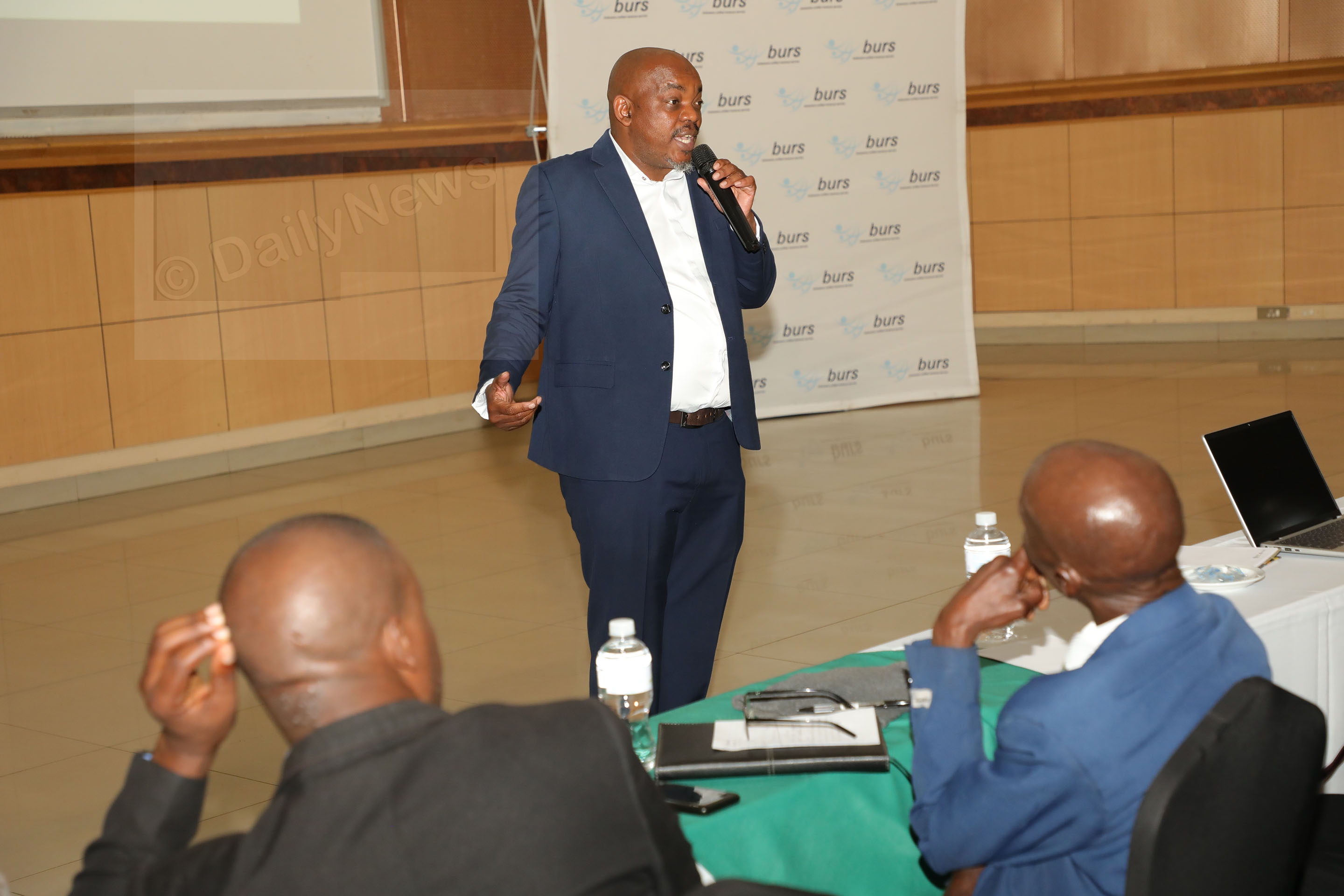
Presenting on BCL base metals beneficiation scoping study highlight during a workshop recently, he said there is a need to build such a facility in the country as there is an increased production of copper. He said the plant would be able to produce 100 000 tonnes of copper per annum.
He said once the feasibility study has been done, the project would take about 30 to 36 months from key engineering aspects to plant commissioning.
He urged other mining sector to work as a team towards the achievement of the project. “I wish we could collaborate as players in the mining sector to feed the refinery to produce the amount of copper needed. With our collective efforts we can do it as that would also help in the reduction of costs of exporting copper concentrate to other countries,” he added.
Mr Keitshokile said the project can be easily located because infrastructure is already in place and the expertise and technology are also there, calling on other mining companies to cooperate and support the initiative.
He said they cannot build a huge facility and remain a white elephant and urged mining sector to feed the plant by concentrate they produce. He said they should give BCL the implication of the viability of the project. He also said currently they are competing with Zambia and indicated that BCL still remains the best in copper production.
Meanwhile, an expert from University of Botswana, Dr Khaulani Fichani indicated that a study undertaken by BOCCIM has assumed that diamond prices will continue to respond to market supply and demand forces for the period 2012-2016. He said when giving a presentation on how much longer are diamond revenues forecast to continue to drive Botswana’s economy.
His presentation was based on a draft paper for publication extracted from a 2012 study done for Botswana Confederation of Commerce Industry and Manpower (BOCCIM) and supervised by Botswana Institute for Development Policy Analysis (BIDPA).
The study was part of a three part series of studies whose overall aim was to seek a path for the Botswana economy towards a future in which government revenues from taxation of the mining sector would be substituted, to the greatest possible extent, by revenues from other sources, as part of a continuing process of economic diversification.
Dr Fichani also indicated that the study assumed that for the period 2012-2016, demand will exceed supply and major demand drivers will be China and India noting that prices will escalate at four per cent real over the period.
For the period 2017-2021, synthetics will grow their market share thus lessening the excess demand pressures and prices would escalate by two per cent real while for the period 2022-2026, “we assume, flat real price increases”.
In conclusion of the study, he indicated that government mineral revenues are projected to rise over period 2012-2026 driven by diamonds.
The study also recommended that there is a need for government to influence the long term planning at Debswana mines to ensure that operations are not planned to end with the expiration of existing mining licences in 2029.
Future mining projects in base metals, coal and coal bed methane will not result in any significant mitigation of the loss of mineral revenues from diamonds and that there is a need for government to consider joint ventures in the infrastructure projects for rail and export port for future mines in coal and base metals, and future mines would need utility companies to develop innovative packages to service their mining projects to reduce upfront costs. ENDS
Source : BOPA
Author : Esther Mmolai
Location : MAUN
Event : Workshop
Date : 03 Aug 2014
Related News

03 Aug 2026
De Beers output surges in 2026 first-half

03 Aug 2026
VP urges investors to bet on startups

30 Jul 2026