Will coal replace diamonds
25 Jun 2014
It is becoming evident that diamonds cannot sustain Botswana’s economy forever, and when this important resource is depleted, the country will need other sectors for sustenance.
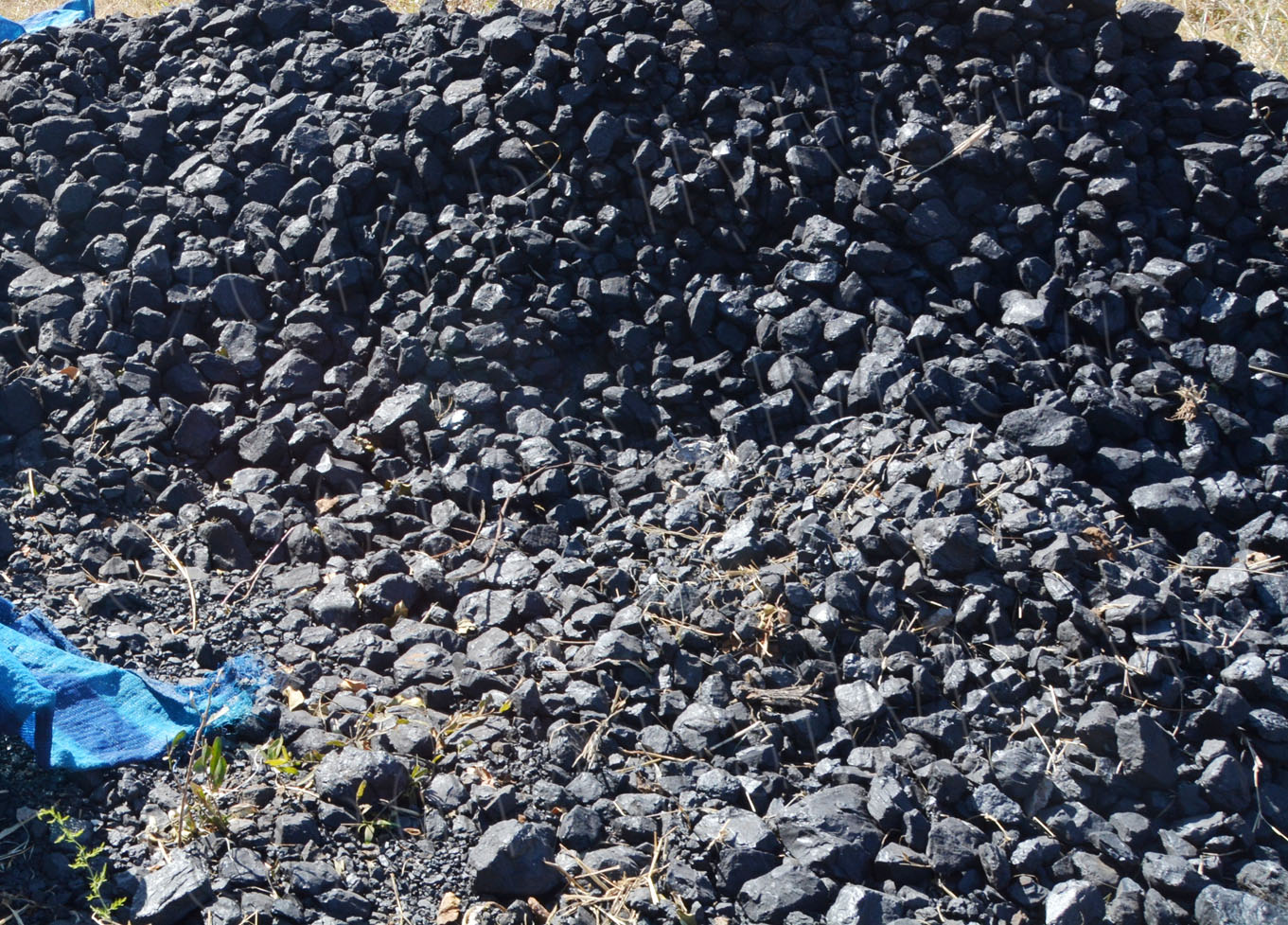
As the diamond resource, the country’s key source of revenue, continue to dwindle, commentators have started to ponder the possibility of coal replacing diamonds as the mainstay of the economy.
Botswana’s coal resources are estimated at 212 billion tonnes. Of this quantity, the majority is classified as hypothetical or speculative; only 45 billion tonnes is classified as reserves. Because of the vast quantities, government sees coal as a potential “new diamond”.
An economist with Econsult, Mr Thabelo Nemaorani, feels that the growth of the coal market depends on the Trans Kgalagadi Railway, Asian market and coal prices. All these three major factors, he says, look rather unfavourable.
Trans Kgalagadi Railway is too expensive for the two governments, China might stand to consume less coal because of its massive gas deal with Russia while coal prices are low, he explains.
However, Prof. Roman Grynberg, a senior research fellow at the Botswana Institute for Development Policy Analysis (BIDPA), contends that diamond production will continue for a long time in Botswana, probably until 2040-2050 but revenues to the government will decline.
Estimates of when ‘peak diamonds’ will occur in Botswana vary but a substantial decrease in government revenue from diamonds is likely to occur after 2026/27, he explains. He cautions, nonetheless, that things change and these estimates may become out of date.
About whether or not, coal exports or production can be enough to make up for the declining diamond revenue, Prof. Grynberg argues “the consensus is that they will not, even if we get to 50 million tonnes of exports quickly, this is improbable, especially at the current prices”. With the decline in coal prices over the past few years, he says, exporting thermal coal is starting to look even less promising, especially at US$75/tonne.
According to Prof. Grynberg coal has a limited life as demand for coal depends on the price of other forms of energy. Shale gas, he observes, is becoming much cheaper in the US and there are important advances in renewable forms of energy such as wind power. On-shore wind is now the cheapest form of electricity generation in the USA and in the coming year’s solar power will also become cheaper than fossil fuels.
“There is also a revolution in battery technology that will transform many of the renewable into relatively low cost base load,” he said. “Therefore we have a limited time to make use of our coal and it must be used soon.”
Prof. Grynberg postulates that nothing will replace Jwaneng or Orapa mines, unless of course someone finds another mine but this is highly improbable. “That is why we need to combine and make use of the relatively abundant mineral rand base metal resources we have,” he adds.
He suggests that the abundant coal should be used to generate cheap electricity for the beneficiation of copper and iron. However, he notes, it will require considerable infrastructure in terms of rail transport, thermal power generation and water supply to make full use the resources that Botswana has.
“Our past has been relatively easy as all we had to do was export four tonnes of diamonds per annum, manage our economy relatively well and the nation was prosperous,” he adds.
Unfortunately, he adds, the process of using Botswana’s energy and base metal resources is difficult, capital intensive and creates relatively little immediate employment.
Brothers Malema, an economics lecturer at the University of Botswana, feels that it will be ill-advised for Botswana to await the depletion of diamonds before embarking on alternative means of driving the economy. “Coal in the current circumstantial scenario, both in terms of the market and global treads will not come close to diamonds in its contributions to the economy at the aggregate as well as at the micro level” he says.
Mr Malema was doubtful if coal will match diamonds in its contribution to Gross Domestic Product or make any significant contribution to employment. Just like diamond, coal is capital intensive and it will therefore not significantly help in addressing the key developmental attributes of employment, poverty and inequality.
He points out that it will be wrong to think of any single sector which will exclusively help solve some of the economic problems. Coal, coupled with other sectors, can go a long in resolving development issues. Agriculture is one sector that can pull its weight to join other sectors in undergirding the economy. “The agricultural products’ demands within the country are beyond doubt certain,” he said. “The producers will not have a tough time getting the consumers for their products.”
Mr Malema says farm products will be invaluable inputs in the industrialisation process as they will be supplied to established firms for processing. He says this will enhance employment generation capacity of the economy and help Botswana realise growth with development, which seems to be elusive currently. This will reduce imports and most probably diversify the export base.
About unfavourable climatic conditions, Mr Malema says more dams and ground water sources could be explored to mitigate the undesirable effects of the weather. ENDS
Source : BOPA
Author : Sefhako Sefhako
Location : SEROWE
Event : Economic Review
Date : 25 Jun 2014
Related News
04 Aug 2026



03 Aug 2026
De Beers output surges in 2026 first-half

03 Aug 2026