Gender injustice prevails - DPS
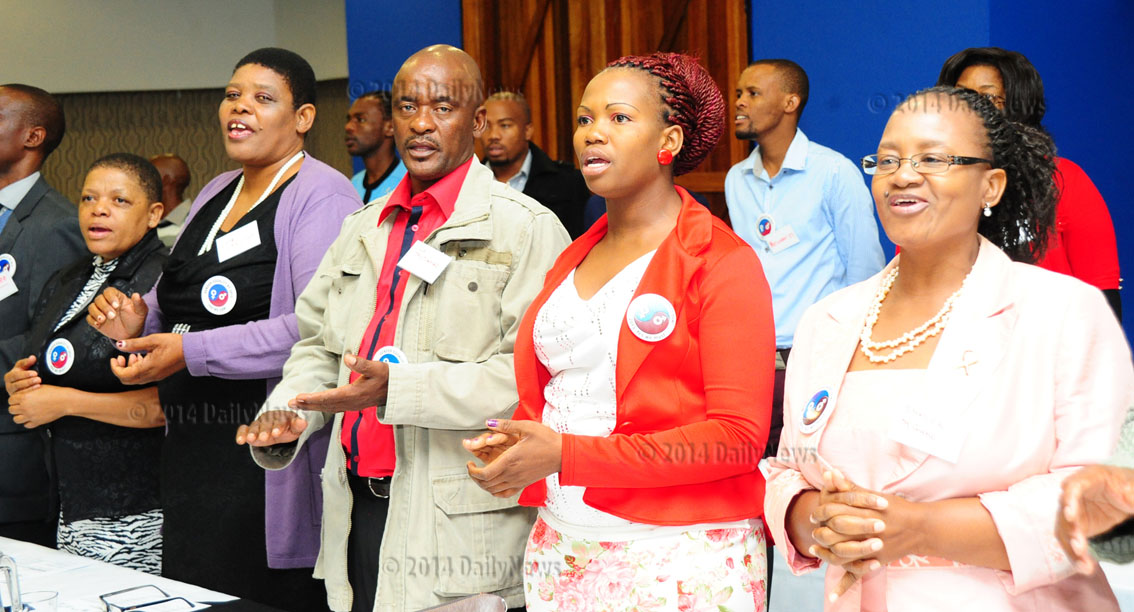
15 Apr 2014
Government is concerned about the escalating number of gender-based violence, gender-influenced discrimination and injustices that pervade the Botswana society.
The deputy permanent secretary (DPS) in the Ministry of Labour and Home Affairs, Ms Kelebogile Kgabi, said this on April 14 during the official opening of the Botswana SADC Gender Protocol summit in Gaborone.
Ms Kgabi said it was worrying that while government had put in place good legal and policy framework that facilitate institutionalisation of different gender equality and children protection instruments, incidents of gender injustices continued to prevail.
She said it was appropriate to recognise that the gender-related human right violations were not just criminal offences, but they also caused instability in society and often left permanent emotional and physical scars on the victim.
She noted that according to Gender Based Violence (GBV) indicator study done by the government and gender links in 2011, more than two-thirds of women in Botswana had experienced some form of gender violence in their lifetime.
She said the same study shows that almost half of the men surveyed admitted to perpetrating violence against women, yet men were expected to protect and shield their families from any hurt or harm of any nature.
“If all stakeholders put in meaningful efforts, achieving a GBV-free country can become achievable,” she said.
Ms Kgabi said the government continued to be concerned by the high rate of GBV and gender inequality and continued to strive for gender equality.
The president of Botswana Association of Local Authorities (BALA) Rev Mpho Moruakgomo, stated the event’s theme, “50/50 by 2015 and a strong 2015 agenda,” resonates well with BALA’s vision and intentions.
Rev Moruakgomo highlighted that there was a women’s commission within BALA structure whose role was to drive the gender agenda and play an advisory role to the organisation on issues affecting women and gender. This, he said, was a clear testimony of their desired commitment to accelerating equal participation of men and women in power sharing.
He urged political parties to make a leap of faith to make deliberate efforts to field a substantial number of women in the upcoming general elections, stating that it would be a direct response to the fact that in the just-ended primary election of various political parties the number of male candidates, both at council and Parliament was more than of female counterparts.
Prof Richard Rooney, a media studies lecturer at the University of Botswana, said women should be involved at all levels of media organisations, including as reporters and decision makers.
“But simply having more women in a newsroom is not enough to guarantee gender-sensitive reporting,” he said.
He said the nature of news, the choices made about what was newsworthy and the way the story was reported must change, adding that women needed to be used more as the sources and subjects of stories.
Prof Rooney noted that while purporting to reflect society, the media he said was unrepresentative of society in Southern Africa, stating that women constituted only 20 per cent of all journalists and less than five per cent of media managers. ENDS
Source : BOPA
Author : Thandy Tebogo
Location : GABORONE
Event : Gender protocol summit
Date : 15 Apr 2014
Related News
04 Apr 2026
03 Apr 2026
Government provides relief on fuel costs

01 Apr 2026